
Powdered herbal extract manufacturing in Canada sits at an awkward point in most brand owners' planning: the format decision gets made late, and by then the formula, the claim, and the packaging are already locked. However, a dry extract behaves very differently from a liquid one, and those differences drive cost, shelf life, and even which claims a product can carry. This guide covers how dry extract production works. It also covers what spray drying does to a botanical, and which specifications a manufacturer needs before anyone can quote your project.

Key Takeaways
- Powdered extracts are produced by extracting a botanical in solvent, then removing the solvent by spray drying, vacuum drying, or freeze drying.
- Spray drying is the volume workhorse of powdered herbal extract manufacturing in Canada, but it usually requires a carrier such as maltodextrin or gum arabic.
- Extract ratio (for example 4:1 or 10:1) and any standardized marker compound must be specified before a quote means anything.
- Dry extracts are the natural feedstock for capsules, tablets, sachets, and functional powders, not for tinctures.
- Health Canada expects quantity-per-dose figures tied to a defined extract ratio and solvent, so documentation drives the format choice as much as the process does.
What powdered herbal extract manufacturing in Canada actually involves
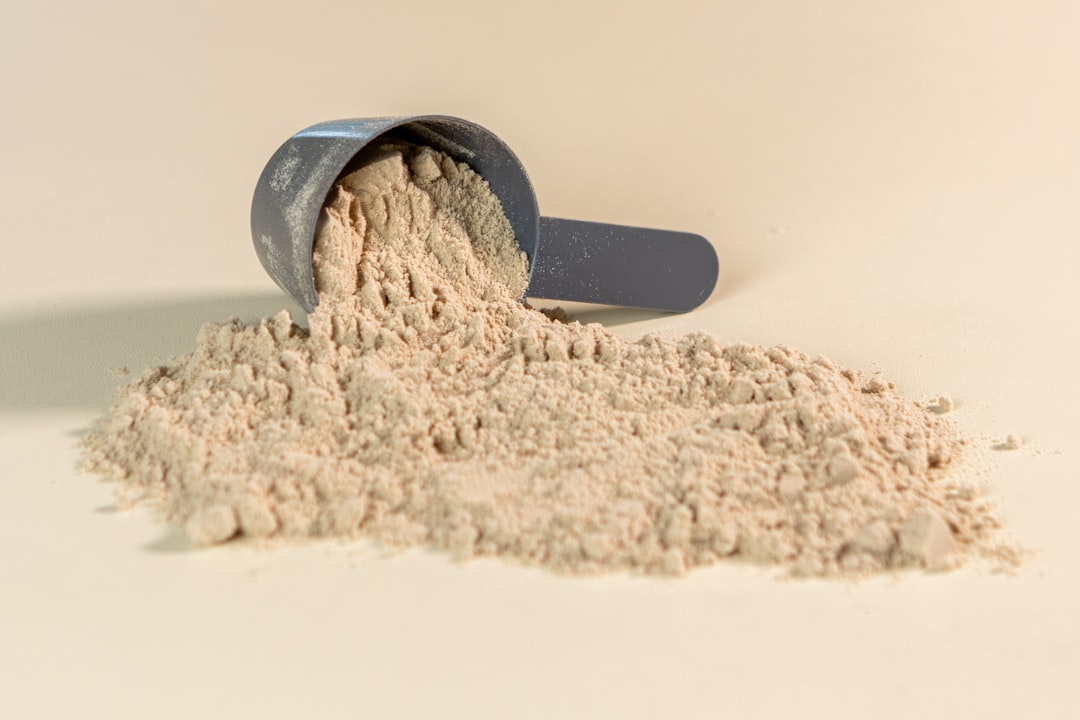
A dry botanical extract is not simply a milled herb. Milled or micronized raw herb is simply the whole plant part ground down. It still carries everything the plant carried, fibre included. Suppliers often call it crude powder. An extract, by contrast, has been through a solvent.
Here's what that means in practice: powdered herbal extract manufacturing in Canada starts the same way liquid extraction does. A manufacturer loads qualified raw material. Extraction runs in water, ethanol, or a hydroalcoholic blend. The marc then separates from the liquid. Up to that point, a dry-extract batch and a tincture batch look almost identical.
The divergence comes next. Instead of standardizing the liquid to a finished ratio and bottling it, the process concentrates the extract and then removes the solvent entirely. What remains is a powder, typically 3 to 12 times more concentrated by weight than the starting herb.
Therefore the format question is really a question about what happens after extraction. If you want a capsule, tablet, stick pack, or functional beverage powder, you need a dry extract. If you want a dropper bottle, you need a liquid. Furthermore, nobody converts one into the other after the fact without redoing the batch. Therefore the decision belongs at the formulation stage.
For a broader look at how the formats compare on cost and consumer positioning, our post on tincture vs glycerite vs capsule covers the trade-offs in detail.
Drying methods in powdered herbal extract manufacturing compared
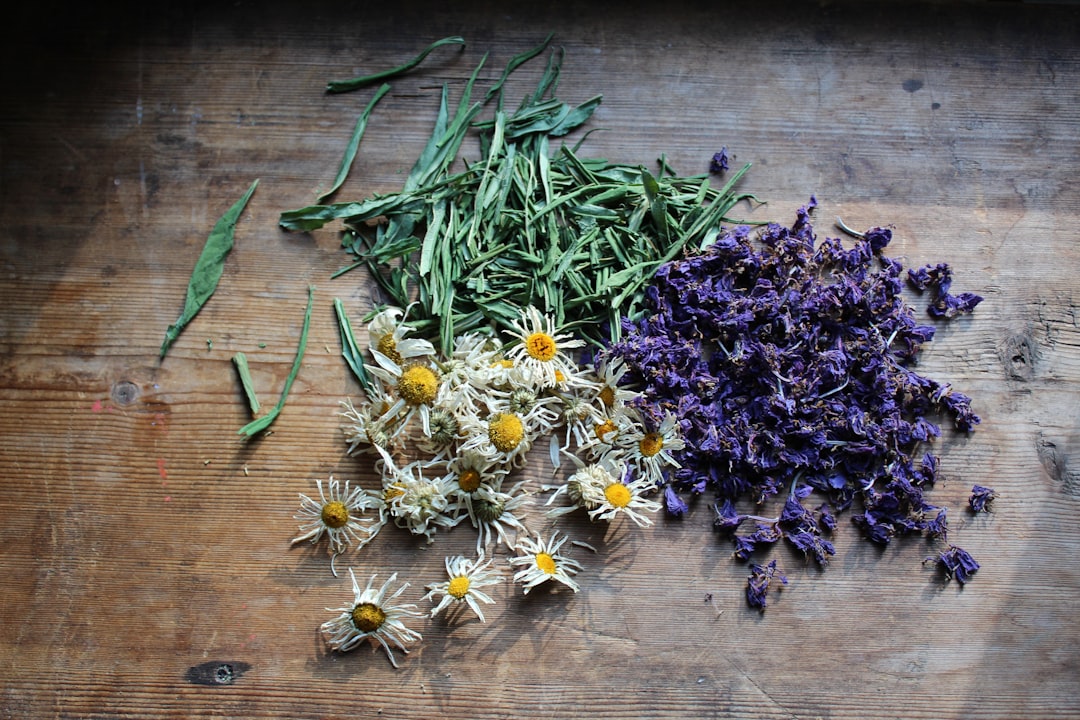
Three drying methods dominate the industry, and each one leaves a different fingerprint on the finished powder.
Spray drying atomizes the concentrated liquid extract into a chamber of hot air. The droplets dry almost instantly, and the powder falls out the bottom. Contact time with heat lasts seconds rather than hours. Consequently, spray drying handles moderately heat-sensitive botanicals better than its inlet temperature suggests. As a result, it is the volume method for most commercial botanical powders.
Vacuum drying or vacuum belt drying removes solvent at reduced pressure and lower temperature. It runs slower and costs more per kilogram. However, it suits volatile-rich and thermolabile material where spray drying would strip the constituents you are paying for.
Freeze drying (lyophilization) removes water by sublimation from a frozen state. It gives the gentlest thermal profile and the highest cost by a wide margin. Consequently, it tends to appear in premium mushroom and delicate-botanical products rather than in commodity ingredients.
Worth understanding before you proceed: the drying method is a real cost driver, not a footnote. Take the same herb at the same ratio. A spray-dried version and a freeze-dried version can differ sharply in price per kilogram. That gap flows straight into your cost of goods.
Carriers in powdered extract manufacturing: why a powder is not 100% extract
This is where most brands run into trouble. Many botanical extracts are hygroscopic and resinous. On their own they dry into a sticky mass rather than a free-flowing powder. Consequently, spray drying nearly always involves a carrier.
Maltodextrin is the most common. Gum arabic, rice flour or rice hull concentrate, tapioca dextrin, and silicon dioxide also appear regularly. Additionally, a small percentage of flow agent often follows downstream. It keeps the powder moving through capsule or sachet filling equipment.
The practical implication: a "10:1 extract" on a spec sheet may contain 20 to 30 percent carrier by weight. Furthermore, that carrier occupies capsule volume you planned to fill with active extract. It also counts as a non-medicinal ingredient on your Canadian label. Vegan, organic, and allergen positioning all depend on which carrier gets used, so ask early.
Some manufacturers can produce carrier-free or self-carrying extracts for suitable botanicals, often at lower yield and higher cost. Does your positioning depend on a clean non-medicinal ingredient list? Then raise it during formulation, not after the first pilot batch.
For guidance on interpreting the numbers a supplier gives you, see our explainers on reading an herbal raw material spec sheet and reading a certificate of analysis.
Ratios, standardization, and specifying a dry extract properly
An extract ratio expresses how much dried raw herb went into each unit of finished extract. A 5:1 powder means five kilograms of herb yielded one kilogram of powder. However, the ratio alone tells you very little on its own. You also need the solvent system and the plant part.
Consider two 10:1 turmeric extracts. One uses water, the other uses 70 percent ethanol. Curcuminoids dissolve poorly in water. Therefore those two powders differ enormously in composition, despite an identical label ratio. Ratio without solvent is marketing, not specification.
Standardization adds a third axis. A standardized extract is adjusted to a declared percentage of a marker compound, and the manufacturer verifies that percentage analytically. Full-spectrum extracts preserve the native constituent profile instead. Both approaches are legitimate, and our post on standardized vs full-spectrum extracts works through when each one fits a product.
Here's how to specify a dry extract so a quote actually means something. State the botanical and plant part with Latin binomial. Give the extract ratio and the solvent system. Name the marker compound and target percentage if standardized. Then set the acceptable carrier and its maximum percentage, particle size or mesh, moisture limit, plus your microbial and heavy-metal specifications. Additionally, state the annual volume, because dry-extract pricing moves sharply with batch size.
If any of those fields is blank, expect the quote to move once it fills in. Powdered herbal extract manufacturing in Canada is quoted against specifications, not against product concepts.
Powdered extract manufacturing in Canada: regulatory and stability notes

Health Canada's Natural Health Products Regulations require the quantity of each medicinal ingredient per dosage unit, and for an extract that means the ratio and the solvent must appear in your product licence application. Therefore the specification work described above is not merely commercial diligence. It is the same data set your Natural Product Number submission needs.
Powder brings its own stability profile. Dry extracts generally hold well against hydrolytic degradation compared with aqueous liquids, which is one of the format's genuine advantages. However, hygroscopicity cuts the other way: a powder that picks up moisture will cake, lose flow, and in some cases lose potency. As a result, moisture-barrier packaging and a validated desiccant strategy matter more here than with a hydroalcoholic tincture.
Whatever shelf life you print, Health Canada expects supporting data behind it. This earlier guide to building a stability testing program covers what that evidence looks like for a Canadian NHP.
One more point specific to imported dry extracts. Many powdered botanical extracts on the world market originate outside Canada. Importing them carries its own compliance burden: documentation, testing on receipt, and supplier qualification. Furthermore, a foreign certificate of analysis does not replace your own incoming verification obligations.
Choosing a partner for powdered herbal extract manufacturing in Canada
Not every contract manufacturer runs every step in-house, and there is nothing wrong with that. Many finished-dose manufacturers buy dry extracts from qualified extract producers. They then handle blending, encapsulation, and packaging. The distinction matters. It determines who controls your extract specification and who holds the supplier relationship behind it.
Ask directly which steps happen under one roof, which are subcontracted, and how the extract supplier was qualified. Additionally, ask whether the manufacturer supports a dry format at your target volume. Watch for a minimum that overshoots your first-year forecast. Our post on herbal capsule contract manufacturing covers the solid-dose side of that same conversation.
The short version: powdered herbal extract manufacturing in Canada rewards brands that arrive with specifications rather than concepts. Nail the botanical, the ratio, the solvent, the carrier limit, and the volume. Then the quotes you receive stay comparable, defensible, and stable enough for a launch plan.
If a dry format is on the table for your next SKU, our manufacturing services page outlines the formats we work in, and you can get in touch with your specification to start a conversation.
Published: July 30, 2026