
Understanding co-packing vs contract manufacturing for herbal products matters more than the terminology suggests, because the two models split responsibility very differently. One partner fills and packages material you supply. The other formulates, produces, and packages a finished product from raw botanicals. Brand owners routinely request a quote for one and receive a proposal for the other, then discover the gap in scope after the purchase order is signed.

The distinction also determines who carries the Health Canada site licence obligations, who owns the batch record, and who answers to a regulator if a regulator forces a recall. Worth understanding before you proceed.
Key Takeaways
- Co-packing is a packaging service — you supply bulk product, the co-packer fills, labels, and cases it.
- Contract manufacturing covers the full build: sourcing, formulation, extraction or blending, filling, and packaging.
- In Canada, packaging and labelling an NHP is a licensable activity, so a co-packer still needs a site licence for that activity.
- The models differ on who owns the formula, the batch record, and the regulatory exposure.
- Brands with an existing bulk supply chain lean co-packing; brands starting from a formula or an idea need contract manufacturing.
What Co-Packing Actually Means
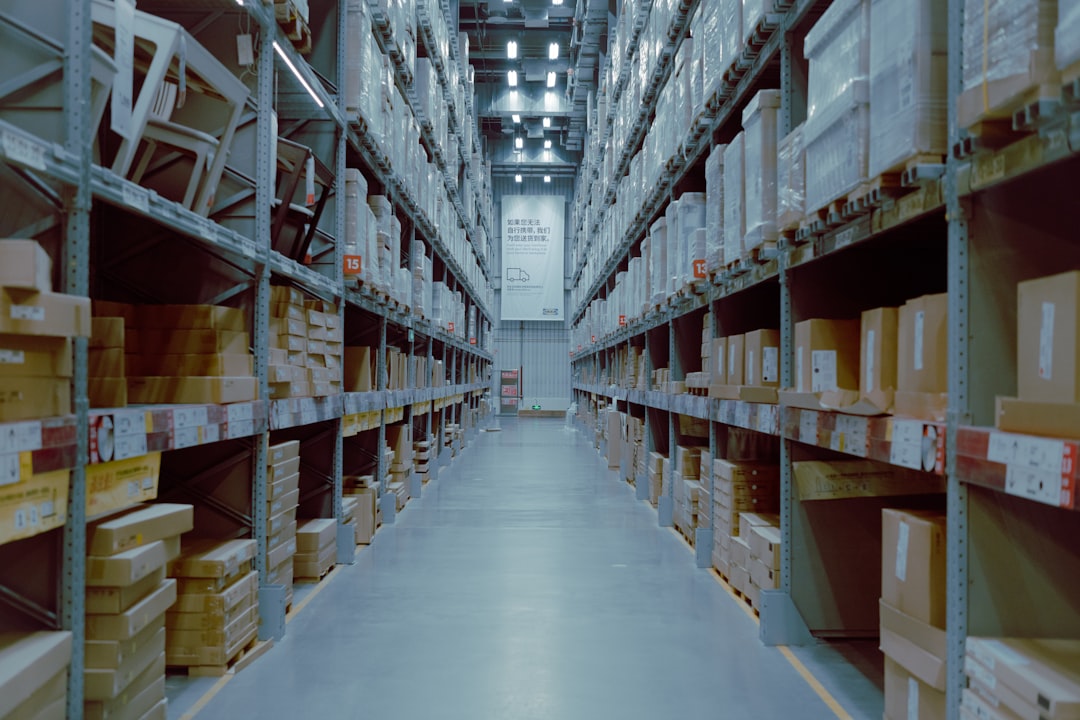
A co-packer, or contract packager, takes product that already exists and puts it into its final commercial format. In the herbal world that typically means receiving bulk tincture in drums or totes, or bulk dried herb in food-grade sacks, then filling it into retail bottles, applying labels, and casing the units for distribution.
Critically, the co-packer does not create the product. You own the formula. Sourcing the raw botanicals or the bulk extract falls to you as well. That means you carry the cost and the lead time of that supply chain, plus the inventory risk if bulk material sits waiting for a fill slot.
Here's what that means in practice: a co-packing engagement is a per-unit packaging cost plus a setup or changeover fee, quoted against a bulk volume you already hold or have on order. Because the input is fixed, quotes come back quickly and the scope is easy to define.
Co-packing suits brands with a mature supply chain. If you have a bulk supplier relationship you like, an established formula, and the volume to justify dedicated fill runs, paying only for the packaging step keeps the per-unit cost tight.
What Contract Manufacturing of Herbal Products Covers
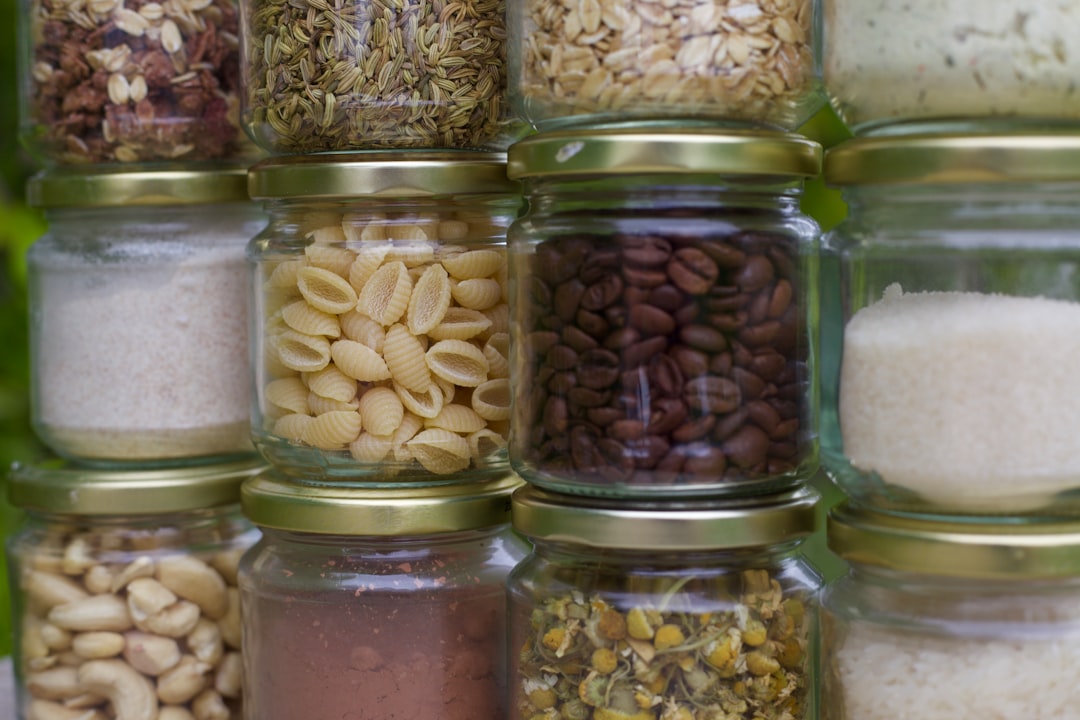
Contract manufacturing starts several steps earlier. The manufacturer qualifies and buys the raw botanicals, verifies identity and quality against specification, performs the extraction or blending, then fills, labels, and packages the finished units. In other words, you hand over a formula or a product concept and receive cased, retail-ready inventory.
That scope brings a different set of deliverables. A contract manufacturer generates the master formula, the batch record, the in-process checks, and the finished-product release documentation. Consequently, the paperwork trail supporting your product licence sits with the manufacturer rather than being assembled by you from several vendors.
Furthermore, a full-service manufacturer can iterate on the formula itself. Adjusting an extraction ratio, swapping a menstruum, reformulating around a supply gap, or scaling a pilot batch upward are all in scope. A co-packer cannot help with any of that, because the product arrives already made.
The practical implication: contract manufacturing costs more per unit at low volumes but absorbs far more operational work. For a first-time brand owner, that difference is usually the deciding factor. This guide to scaling from a pilot batch to a full production run covers how that progression typically unfolds.
Co-Packing vs Contract Manufacturing for Herbal Products: The Practical Differences
Comparing co-packing vs contract manufacturing for herbal products comes down to five variables that show up in every engagement.
This is where most brands run into trouble. A co-packing quote looks dramatically cheaper on a spreadsheet because it excludes the raw material and production cost entirely. Comparing the two numbers side by side without normalising for scope produces a decision built on a false premise.
Additionally, minimum order quantities behave differently. Co-packers set minimums by fill run, while manufacturers set them by batch volume. Our post on minimum order quantities in herbal manufacturing explains how batch economics drive those thresholds.
Who Holds Regulatory Responsibility in Canada
Canadian rules make this comparison more than a commercial question. The Natural Health Products Regulations treat manufacturing, packaging, labelling, and importing as four separate licensable activities. A site licence names which of those activities a given site may perform.
So a co-packer handling an NHP is not outside the regulatory frame. That site needs a site licence covering packaging and labelling, and it must operate to Good Manufacturing Practices for those activities. Ask for the licence number and confirm which activities appear on it before you ship bulk product anywhere.
Meanwhile, the product licence and the NPN remain the brand owner's responsibility in both models. However, the evidence supporting that licence, particularly specifications and batch documentation, comes from wherever the work happens. Under co-packing, you assemble that record from your bulk supplier and your packager separately. Under contract manufacturing, it comes from one source.
Recall exposure follows the same logic. If a lot has to come back, traceability has to reach through every party that handled it. For context on what that process demands, see our guidance on NHP site licence and GMP requirements.
Co-Packing vs Contract Manufacturing: Which Model Fits Your Brand
Choose co-packing when three conditions hold at once. You have a stable, qualified bulk supplier. Your formula is final and you do not expect to change it. And your volume is high enough that paying only for the packaging step meaningfully lowers your landed cost.
Choose contract manufacturing when any one of those conditions fails. Specifically, a brand launching its first SKU, a brand still tuning a formula, or a brand without a vetted botanical supply chain will spend more time and money assembling a co-packing arrangement than a single full-service engagement would cost.
The short version: co-packing is a service you buy once your operation is already running. Contract manufacturing is how most herbal brands get to that point. Many brands eventually run both, using a manufacturer for new and complex SKUs while co-packing high-volume legacy products.
Weighing co-packing vs contract manufacturing for herbal products is ultimately a question about how much of the supply chain you want to own. Neither answer is wrong, but the two models are not interchangeable line items, and a quote for one should never be compared directly against a quote for the other. If you are scoping a project and want the end-to-end version priced properly, our manufacturing services page outlines what a full engagement includes, and you can start a conversation through our contact page.
Published: August 5, 2026