
Choosing between standardized vs full spectrum liquid herbal extracts is one of the earliest formulation decisions a brand owner makes, and it quietly shapes cost, sourcing, and every label claim that follows. The two formats are not interchangeable, and picking the wrong one can stall a product late in development. This guide walks through what each format is and, more importantly, what each means once your product hits the production floor.


Key Takeaways
- A standardized extract guarantees a set percentage of one or more marker compounds; a full-spectrum extract preserves the plant's natural constituent ratio without pinning a number to it.
- Standardization adds analytical testing, tighter sourcing, and cost; full-spectrum production is simpler but accepts more batch-to-batch variation.
- Your choice drives label claims, NHP positioning, and how a contract manufacturer qualifies raw material.
- Neither format is 'better' — the right one depends on your claims strategy, budget, and target market.
- Decide the format before formulation, not after, to avoid costly rework.
What Standardized vs Full Spectrum Liquid Herbal Extracts Actually Mean
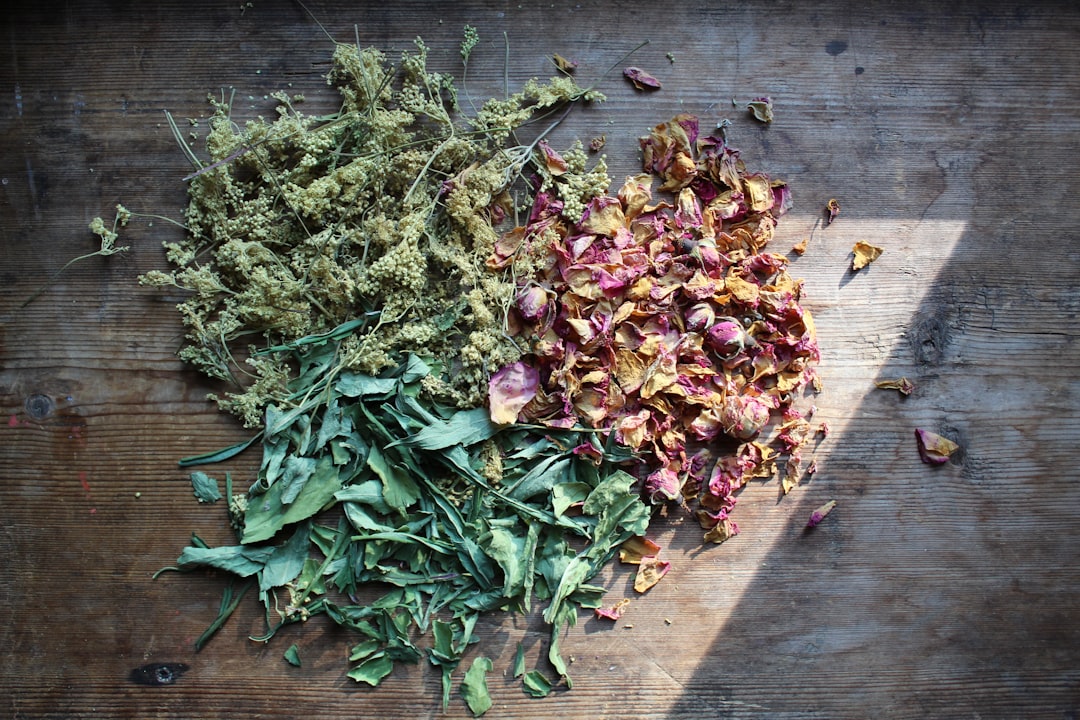
Start with definitions, because the two terms get used loosely in marketing. A standardized extract is processed and tested so that a named marker compound sits at a guaranteed level, for example a milk thistle extract standardized to 80% silymarin. The number is the product's backbone.
A full-spectrum extract takes the opposite approach. It aims to carry the plant's constituents in roughly the ratio nature produced them, trusting the whole profile rather than isolating one marker. Here's what that means in practice: you gain the complete phytochemical picture, but you give up a fixed percentage to print on the panel.
Both are legitimate. However, they answer different questions, and that difference cascades straight into production.
Production Implications: Sourcing and Consistency
The production gap between standardized vs full spectrum liquid herbal extracts starts at the raw material. Standardization demands incoming herb with a predictable marker content, so the sourcing net tightens: fewer qualifying lots, tighter specifications, and more rejected material.
Full-spectrum production widens that net. Because no single number has to land on target, a broader range of quality-appropriate lots can move into extraction. As a result, sourcing is generally more flexible and supply is easier to secure.
Worth understanding before you proceed: standardized products often require blending or adjusting across lots to hit the marker, which adds steps. Full-spectrum products accept natural variation, so the extraction itself stays closer to a classic maceration or percolation. Our overview of tincture extraction methods covers those underlying techniques.
Cost, Testing, and Batch Variability
Standardization costs more, and it is important to know where the money goes. Guaranteeing a marker percentage requires analytical testing on incoming material and finished product, typically by methods such as HPLC. That analytical burden, plus the tighter sourcing above, raises the per-unit price.
Full-spectrum extracts carry a lighter analytical load and a lower cost, but they trade that saving for wider batch-to-batch variation. The short version: standardized buys consistency with dollars, and full-spectrum buys affordability with tolerance for natural swing.
Either way, expect a competent contract manufacturer to qualify raw material and verify identity before extraction. What changes between the two formats is the depth of quantitative marker testing, not whether quality checks happen at all.
Regulatory and Label Considerations in Canada
Format choice also shapes what you can say. Under Health Canada's NHP framework, a standardized extract lets you declare a specific quantity of a marker compound, which supports precise medicinal-ingredient claims on the label. That precision can be a marketing asset in categories where buyers compare potency.
A full-spectrum extract is usually declared by the crude herb equivalent and extract ratio rather than a marker percentage. This is fully compliant, but it frames the product around whole-plant tradition instead of a single number. In addition, your NHP submission evidence should match the format you actually sell.
This is where most brands run into trouble: they market a potency number the product was never built to guarantee. Align the claim, the format, and the evidence early. The right manufacturing partner can help map that alignment before formulation locks in.
Which Format Fits Your Brand?
There is no universal winner in standardized vs full spectrum liquid herbal extracts, only a fit for your strategy. Choose standardized when your positioning leans on measurable potency, when you compete in a category where buyers scan for percentages, or when a marker underpins your efficacy story.
Choose full-spectrum when your brand story is whole-plant and traditional, when cost sensitivity matters, or when the herb's value does not hinge on one isolated constituent. Many catalogues carry both, matched to the product rather than a blanket rule.
The practical implication: decide before you formulate. Get in touch for a quote with your claims strategy in hand, and the format decision becomes straightforward rather than a late-stage scramble.
Published: July 10, 2026