
Choosing between a tincture vs glycerite vs capsule herbal product format is one of the first decisions a brand owner makes — and it shapes manufacturing cost, shelf life, labelling, and the buyer's experience on shelf. Furthermore, each format pulls different ingredients and equipment. As a result, regulatory paperwork and retail price ceilings shift with the format. Consequently, getting it right early keeps the rest of the build moving cleanly. Getting it wrong forces a reformulation after the first production run. This post breaks down the trade-offs the way we walk new clients through them in a manufacturing scoping call.

Key Takeaways
- Tinctures deliver the broadest constituent profile and the longest shelf life — but alcohol content is a retail and export consideration.
- Glycerites are the alcohol-free answer with a shorter shelf life and narrower extraction range; great for kids, sober consumers, and certain export markets.
- Capsules win on dose precision and consumer familiarity but require dried-extract sourcing, encapsulation equipment, and tighter spec sheets.
- Format choice cascades into NHP licensing requirements, MOQ economics, and the kind of GMP-compliant manufacturer you need.
- There is no universally best format — the right answer comes from matching format to ingredient, audience, channel, and price point.
What the tincture vs glycerite vs capsule format choice controls
The tincture vs glycerite vs capsule herbal product format choice is rarely about which is "best" in the abstract. Instead, the decision turns on three points. First, the format must extract your active constituents efficiently. Second, it must fit the retail price your buyer expects. Finally, it must clear Health Canada's NHP framework without unnecessary friction.
Here's what that means in practice: a high-resin herb like myrrh or propolis needs alcohol to extract properly — a glycerite will leave most of the activity behind. Meanwhile, a bitter that depends on the gustatory reflex (gentian, wormwood, dandelion root) needs to hit the tongue. Therefore, capsules are ruled out entirely. On the other hand, a standardised constituent like curcumin or berberine ships beautifully as a capsule. It trades poorly as a tincture.
Consequently, before comparing formats head-to-head, ask three questions. What is the active you need to deliver? Where does your buyer use the product? And what do they expect to pay? Those three answers narrow the field fast.
Tinctures — the workhorse format
Alcohol-based tinctures (typically 25–70% ethanol, depending on the herb) remain the most versatile herbal product format. Specifically, they extract a wide constituent profile — alkaloids, resins, glycosides, and volatile oils. Water- or glycerin-based extracts cannot fully pull these. A properly bottled tincture has a practical shelf life of 3–5 years.
From a manufacturing standpoint, tinctures need a licensed extraction facility. Additionally, ethanol handling capacity and traceable maceration or percolation SOPs are required. At Perfect Herbs we run tinctures across a wide ratio range (typically 1:2 to 1:5), depending on the herb and the brand's positioning. Our tincture calculator shows the price points across menstruum strengths.
The practical implication: tinctures suit practitioner channels, naturopath dispensaries, independent health stores, and direct-to-consumer brands selling on efficacy. However, the trade-off is that the alcohol declaration narrows your audience. Dry households, child-focused brands, and some export markets push back on ethanol content.
Glycerites — the alcohol-free comparison
Glycerites swap ethanol for vegetable glycerin, typically at 55–75% concentration. Therefore, the sweet taste makes them the default for paediatric formulas, alcohol-recovery customers, and certain religious retail segments where alcohol is a non-starter. Additionally, glycerites clear into some export markets. Notably, parts of the Middle East and certain US dry counties hold alcohol tinctures at customs.
However, the extraction profile is narrower. Specifically, glycerin pulls tannins, mucilage, and some flavonoids well. Yet it struggles with resins, alkaloids, and lipophilic constituents. Furthermore, shelf life sits around 12–24 months. That is meaningfully shorter than an alcohol tincture and a real consideration for slower-moving SKUs.
From a manufacturing perspective, glycerite production runs on similar equipment to tinctures. However, a few process differences apply: longer maceration times and sometimes heat-assisted extraction. MOQ economics tend to match tinctures. Specifically, glycerites work well when your active extracts cleanly in glycerin — chamomile, lemon balm, marshmallow root, elderflower — and your audience explicitly wants alcohol-free.
Capsules — the dose-precise comparison (Note: Perfect Herbs doesn't manufacture capsules!)
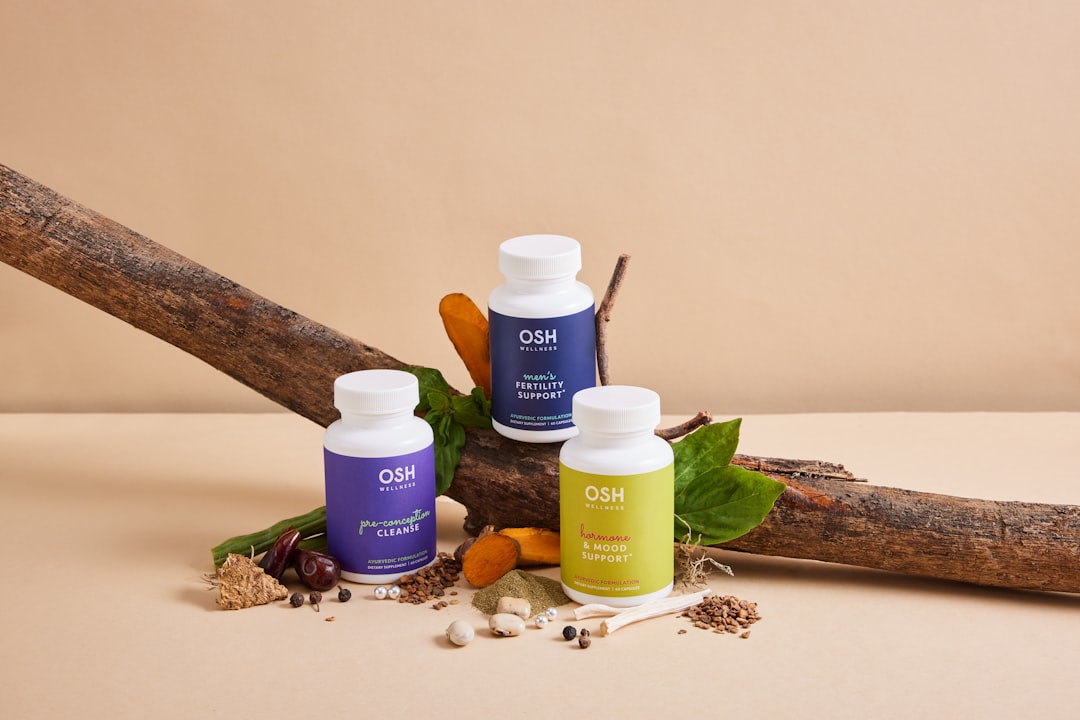
Capsules trade liquid versatility for dose precision and consumer familiarity. Specifically, the format wins on three fronts. First, predictable milligram dosing. Second, neutral taste, which matters for bitter herbs and standardised extracts. Finally, retail shelf appeal — capsules read as "supplement" to the average buyer in a way tinctures still don't.
The trade-off sits in sourcing and equipment. Specifically, capsules require dried herb powders or standardised extracts with documented spec sheets. These include assay, particle size, residual solvents, and microbiological limits. Additionally, encapsulation equipment is a different capital line from extraction tanks. As a result, most herbal-focused manufacturers in Canada specialise in one side or the other.
Worth understanding before you proceed: standardised extracts such as curcumin 95%, berberine HCl, and ashwagandha KSM-66 ship as capsules. This is because the marketing depends on a defined active percentage. A whole-herb capsule competes on a different axis — heritage, traceability, and species purity — and pricing reflects that. For brand owners weighing capsule production specifically, sourcing quality drives the whole programme. Therefore, our ingredient sourcing post covers what to demand from suppliers.
Tincture vs glycerite vs capsule herbal product format compared
Here is the practical comparison most brand owners actually want when weighing tincture vs glycerite vs capsule herbal product format options:
Shelf life: Tincture 3–5 years · Glycerite 12–24 months · Capsule 2–3 years (depends on packaging and humidity control).
Constituent breadth: Tincture (broadest) · Glycerite (narrower, glycerin-soluble only) · Capsule (depends on whether you're using whole herb or standardised extract).
Audience fit: Tincture suits practitioners and efficacy-minded consumers · Glycerite suits paediatric, alcohol-free, and certain export segments · Capsule suits mainstream supplement shoppers and dose-conscious users.
Manufacturing complexity: Tincture and glycerite share most equipment. However, capsules require a separate encapsulation line and tighter raw-material specs. As a result, your manufacturer choice often locks at the format decision — not all GMP-compliant facilities run all three formats. Our manufacturing capabilities page lists what we run in-house.
Regulatory: All three need NHP product licences for Canadian retail. Furthermore, capsules with standardised actives often need more substantial evidence packages. Meanwhile, glycerites and tinctures share most labelling rules. The alcohol declaration is the key tincture-only line.
Choosing your tincture vs glycerite vs capsule format
Walk the decision in this order:
1. Start with the active. What constituent does your formula need to deliver? However, when the active extracts only in alcohol, a tincture is the answer. When the constituent is water- or glycerin-soluble and your audience wants alcohol-free, a glycerite wins. For a standardised active or a bitter you want to mask, a capsule wins.
2. Match the channel. Specifically, practitioner dispensaries and natural-health retailers move tinctures and glycerites. By contrast, mainstream pharmacy and online supplement channels move capsules. Your distribution plan should drive format, not the other way around.
3. Price-back from retail. Tinctures and glycerites carry $25–60 retail price points in the practitioner channel. Meanwhile, capsules anchor at $20–45 in mainstream retail. Your cost-of-goods needs to land at roughly 25–35% of retail; format determines whether that maths works at your MOQ.
4. Confirm regulatory fit. Notably, some claim categories are easier under one format than another. Standardised-actives capsules often need more documentation. By contrast, whole-herb tinctures with traditional-use claims often clear faster. Plan your evidence package alongside the format decision.
The short version: format is a downstream consequence of ingredient, audience, channel, and price — not an upstream brand-aesthetic choice. Specifically, the brands that get it right define those four upstream inputs first. Then they let the format fall out of the answers.
Working with a Canadian manufacturer across formats
Not every Canadian contract manufacturer runs all three formats well. Consequently, choosing the wrong partner for your format locks you into compromises. A capsule-first facility making tinctures usually has limited extraction capacity. Similarly, a tincture-first facility outsourcing encapsulation adds cost and timeline.
At Perfect Herbs we run tinctures and glycerites in-house on the same extraction equipment and partner with vetted Canadian encapsulators for capsule programmes. Therefore, the format decision shapes the scoping call. Ingredient list, target ratio or mg dose, packaging, label compliance, MOQ, and lead times all flow from it. If you want to walk through what your format choice looks like in practice, the contact page is the place to start.
Published: May 25, 2026