
Herbal capsule contract manufacturing canada is one of the highest-intent searches a new brand owner runs, and it is usually the point at which the dosage-form decision stops being theoretical. Solid dose looks simple from the outside: powder goes in a shell, shell goes in a bottle. In practice, the format changes your raw-material specs, your excipient list, your batch economics, and the evidence you need for a product licence.

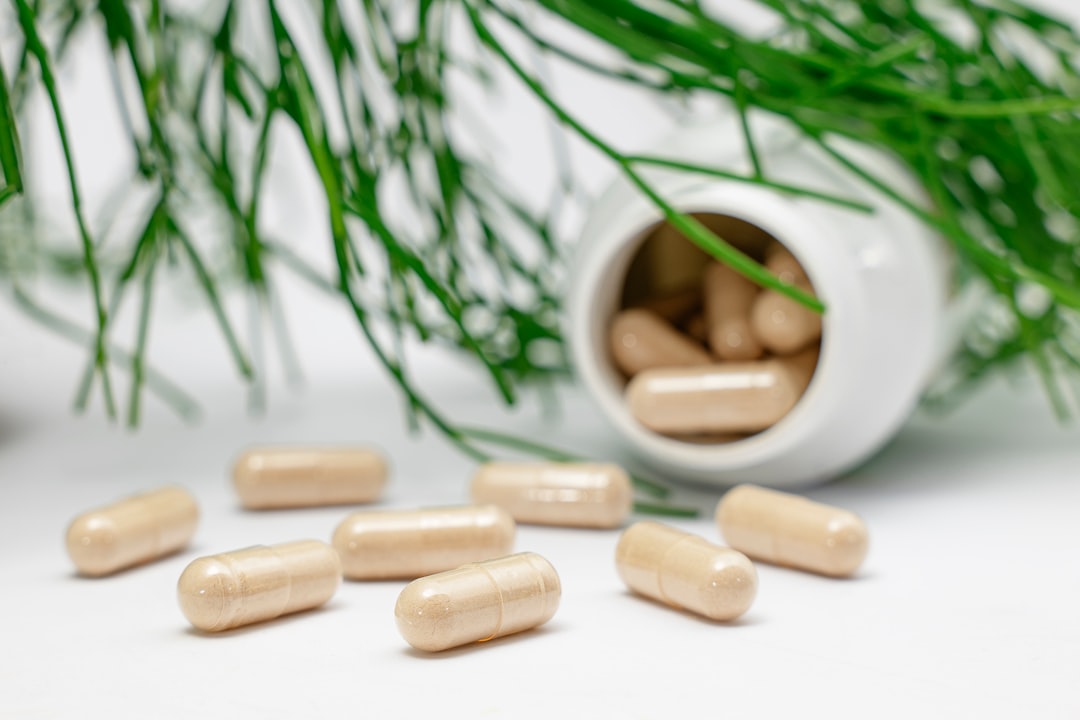
This primer covers what solid-dose contract manufacturing actually involves in the Canadian market, how capsules compare with tablets, and what to ask before you sign.
Key Takeaways
- Capsules tolerate a wider range of botanical powders than tablets, which need compressible material and more excipients.
- Solid dose is a powder-handling business: particle size, moisture, and bulk density drive fill weight consistency far more than machine speed.
- Excipients are not filler by definition — flow agents and disintegrants are functional, and every one of them has to appear on the NHP label.
- Health Canada requires a site licence for the manufacturer and an NPN for the finished product, regardless of dosage form.
- Tooling, minimum runs, and bottling setup are the line items that separate a solid-dose quote from a liquid one.
What Herbal Capsule Contract Manufacturing in Canada Actually Covers
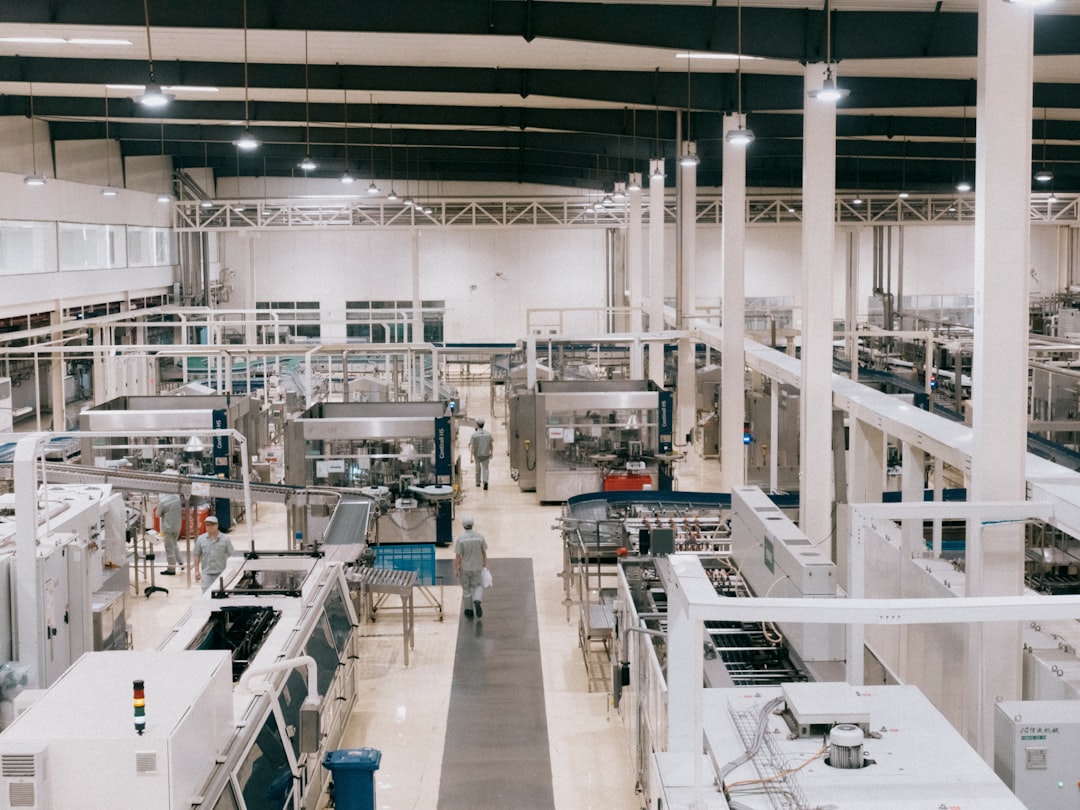
When brand owners search for herbal capsule contract manufacturing canada, they are usually picturing one step: encapsulation. The engagement is broader than that. A full solid-dose scope typically spans raw-material qualification, milling or sieving to a workable particle size, blending, encapsulation or compression, and then bottling, induction sealing, and labelling.
Worth understanding before you proceed: the encapsulation step is rarely the constraint. Powder behaviour is. A botanical powder that clumps, absorbs moisture from the room, or varies in bulk density between lots will produce inconsistent fill weights no matter how good the equipment is.
That is why solid-dose projects lean so heavily on the incoming material specification. The same herb from two suppliers can differ in mesh size, moisture content, and extract ratio, and each of those variables moves the finished capsule weight. Reading the herb specification sheet properly before a trial run saves an expensive second attempt.
Scope also determines who owns what. Some brands supply their own raw material and buy only the conversion step. Others hand over a target formula and expect the manufacturer to source, qualify, and document every input. The second model costs more per unit and removes considerably more risk from your side of the table.
Herbal Capsule Manufacturing in Canada: Capsules or Tablets?
Both are solid dose, but they behave like different products commercially and technically.
Capsules, whether two-piece hard shells in gelatin or HPMC, accept a wide range of botanical powders with minimal added ingredients. Consequently, they suit whole-herb powders, extract blends, and formulas where a short ingredient list is part of the brand promise. Vegetarian HPMC shells have become the default for most Canadian herbal lines.
Tablets require a blend that will compress and then hold together, which usually means binders, disintegrants, and lubricants in meaningful proportions. However, tablets carry more active material per unit, cost less per dose at volume, and can be coated for taste masking or delayed release. For a high-gram-dose botanical, that density advantage is real.
The practical implication: capsules generally win on ingredient simplicity, speed to market, and lower tooling commitment. Tablets win on dose density and unit cost at scale, and they demand a longer development runway. If you are still weighing liquids against solids, our comparison of tincture, glycerite and capsule formats works through the trade-offs from a brand-strategy angle.
One further consideration: solid dose caps how much extract you can deliver per unit. A concentrated liquid extract carries a plant-material equivalent that would take several capsules to match, which is why some brands run both formats for the same formula.
The Solid-Dose Contract Manufacturing Workflow, Step by Step
Across the industry, a capsule project moves through a recognisable sequence. Knowing it makes quoting conversations much faster.
1. Formula review and feasibility. The formula gets checked for total fill volume against available capsule sizes. A size 0 holds roughly 400 to 500 mg of a typical botanical powder, depending on density, and a formula that overshoots needs either a larger shell, a two-capsule serving, or a more concentrated extract.
2. Raw-material qualification. Identity, purity, and contaminant specifications get confirmed against the incoming certificate of analysis. Botanical identity matters more here than in liquid work, because a powder gives up most of the visual cues a whole herb would offer.
3. Milling, sieving, and blending. Material gets brought to a consistent particle size and then blended to uniformity. Blend uniformity is the quality attribute that decides whether every capsule in the run contains the same formula.
4. Encapsulation or compression. Fill weight gets monitored through the run against a target and tolerance band.
5. Packaging. Bottling, desiccant, induction sealing, capping, and labelling. Solid dose is more sensitive to moisture than most brand owners expect, so packaging is a formulation decision, not an afterthought.
This is where most first-time brands run into trouble: they budget for step 4 and discover that steps 1 through 3 carry most of the timeline. Our breakdown of contract manufacturing lead times covers where the weeks actually go.
Regulatory Requirements for Solid-Dose NHPs
Dosage form does not change the framework. Under the Natural Health Products Regulations, the manufacturer needs a Health Canada site licence, and the finished product needs a product licence with an NPN before it can be sold.
Capsules and tablets do, however, add a few wrinkles. Every excipient counts as a non-medicinal ingredient and must appear on the label, so the flow agent that made the run possible becomes public information. Shell composition matters too: gelatin capsules carry an animal-source declaration that affects both label copy and market positioning.
Furthermore, the quantity per dosage unit has to be stated with the extract ratio and the plant part. For a standardised extract, that means declaring the marker compound and its level. Our guide to NHP label requirements covers the full field list.
The short version: solid dose is not a lighter regulatory lift than liquid. Additionally, if your claims sit outside a Health Canada monograph, the evidence burden is identical regardless of whether the product is a capsule or a tincture.
What to Ask a Prospective Herbal Capsule Manufacturing Partner in Canada
Evaluating a capsule manufacturer differs from evaluating a liquid house. Ask these questions early.
Also request a written scope that separates one-time costs from per-unit costs. Tooling, artwork setup, and first-article inspection are non-recurring, while blend, shells, bottles, and labour are variable. Reading a contract manufacturing quote line by line is the fastest way to compare two proposals that look wildly different on the surface.
Finally, confirm the site licence is current and that the licensed activities cover your dosage form. A licence that covers liquid manufacture does not automatically extend to solid dose.
Published: July 29, 2026