
Brand owners searching Amazon herbal supplement manufacturing Canada usually arrive with a listing problem, not a production problem. The formula works. The product is finished. Then Amazon suppresses the listing. The trigger is usually a missing licence number. Sometimes it is a non-compliant label panel, or a shelf life too short for FBA.

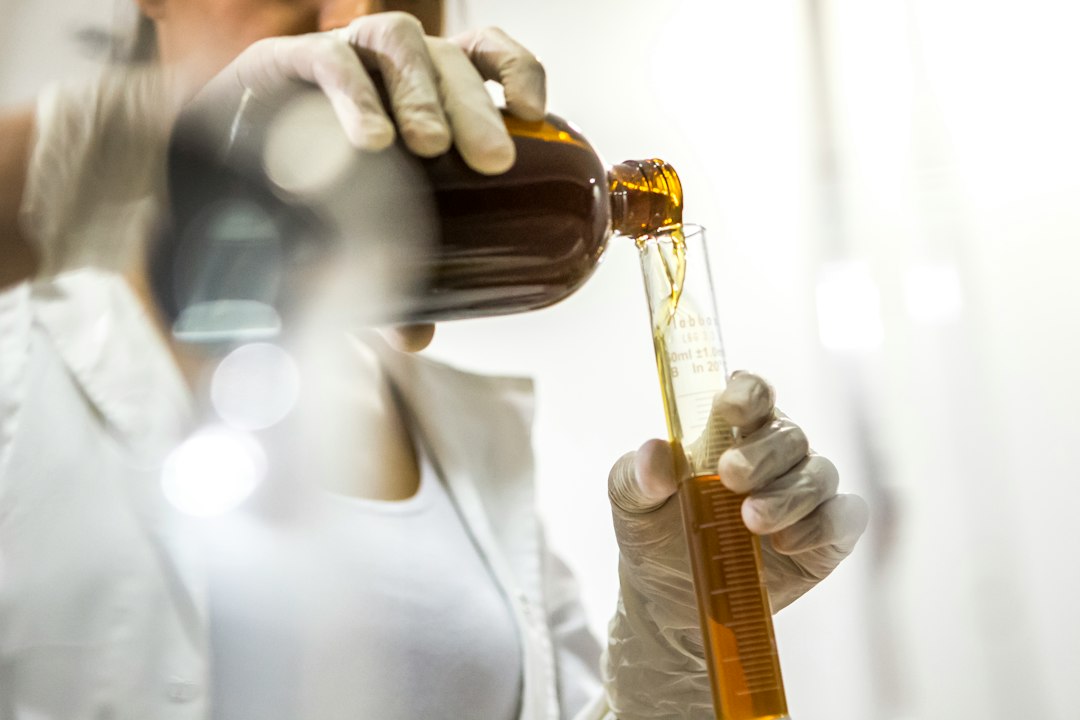
Selling on Amazon stacks a marketplace compliance layer on top of Health Canada's rules. Furthermore, that layer reaches backwards. It shapes decisions you make months earlier — at formulation, at packaging, and at partner selection.
Key Takeaways
- Amazon Canada gates most herbal supplement listings behind a valid NPN — build the licence timeline into the launch plan, not after it.
- Label, barcode, and packaging specs drive listing approval as hard as regulatory compliance, and marketplace requirements differ from retail.
- Shelf life and FBA turnover interact: short-dated liquids demand tighter production scheduling than capsules or dry blends.
- Amazon may request the NPN, a letter from the manufacturer, and product images that match the physical unit exactly.
- A Canadian manufacturer already operating under an NHP site licence removes most compliance friction before it starts.
What Amazon Herbal Supplement Manufacturing in Canada Actually Requires
Amazon treats supplements as a restricted category. Therefore a listing is more than a product page. It asserts the unit inside the carton is legal in the destination marketplace. For Canadian sellers, the Natural Health Products Regulations apply first, and Amazon's category policy applies second.
The practical implication: Amazon herbal supplement manufacturing Canada is less a question of production capability and more a question of sequencing. Specifically, the licence, the artwork, and the physical unit all have to agree. That alignment must hold before the first case ships.
Most marketplace rejections trace back to a mismatch rather than a defect. For example, your label lists a medicinal ingredient at 500 mg. The detail page says 450 mg. That gap alone triggers a compliance review. Similarly, a product photographed as a 100 mL bottle but shipped as 120 mL will fail an image-accuracy check.
Because of this, treat the marketplace requirements as a formulation input. Decide early whether the product is a capsule, a tincture, a glycerite, or a dry blend. Each format carries a different packaging and shelf-life profile on Amazon. Settling the format decision before you finalise artwork saves a costly reprint.
Worth understanding before you proceed: Amazon does not evaluate your formula. It evaluates the paperwork and the presentation around your formula. Consequently the winning move is documentary discipline, not reformulation.
The NPN Gate — Amazon's Regulatory Checkpoint
Any natural health product sold in Canada needs a product licence from Health Canada and an eight-digit NPN before it goes to market. Amazon.ca enforces that requirement at the listing level. Moreover, it can request proof at any time after launch. As a result, sellers who launch on a "submitted, awaiting review" status carry real suspension risk.
Licence review timelines vary by the evidence pathway you choose. A product built entirely on a Health Canada monograph moves fastest, because the monograph pre-clears the claims and dosages. However, a non-monograph product requires a full evidence package and a substantially longer review. The monograph versus non-monograph pathway is the single biggest lever on launch date.
Planning Amazon herbal supplement manufacturing Canada around that reality means one thing in practice: pick the pathway before you commission artwork. The NPN has to appear on the finished label. Therefore the printer cannot start until Health Canada issues the number. Furthermore, print lead times sit on top of licence lead times, not alongside them.
Two further points catch first-time sellers. First, an NPN is product-specific. A new flavour, a new strength, or a changed medicinal ingredient needs its own licence. Second, the United States runs a different regime entirely. The FDA crossover rules do not accept an NPN as a substitute for compliance there.
The short version: the licence is the critical path. Everything else can be compressed; this cannot.
Label, Barcode, and Packaging Specs That Decide Listing Approval
Marketplace packaging is not simply retail packaging plus a barcode. Although the regulatory content is identical, the physical requirements diverge sharply, and the differences matter at the loading dock.
Start with the label content itself. Canadian NHP labelling requires a product name, the NPN, medicinal and non-medicinal ingredients, dose, risk information, and bilingual presentation of the mandatory elements. Those NHP label requirements apply regardless of sales channel. In addition, bilingual labelling is a legal obligation in Canada, not a marketplace preference.
Amazon then layers its own specs on top:
- Scannable barcode — a GS1-issued UPC or EAN that resolves to your company, plus an FNSKU for FBA units.
- Poly-bagging and suffocation warnings for any unit that requires them.
- Leak resistance for liquids — dropper bottles generally need an induction seal plus secondary containment.
- Expiry and lot code on both the unit and the case, printed in a format the receiving team can read.
- Images that match the unit — same fill volume, same closure, same panel text.
Here is where most brands run into trouble: the barcode. A recycled or reseller-supplied UPC will eventually collide with another listing, and untangling that is slow. Buy the prefix directly.
Packaging design still has to sell after you tick the compliance boxes. Thumbnail constraints are unforgiving. The principles in herbal product packaging design apply, with one adjustment. Legibility at 200 pixels wide beats detail that only reads in the hand.
Shelf Life, FBA Turnover, and Batch Sizing
FBA introduces a timing problem that retail does not. Inventory sits in a warehouse you do not control, and Amazon applies its own minimum remaining-shelf-life thresholds on intake. Units arriving too close to expiry get refused or removed.
The practical consequence is that dated product needs a production cadence, not a single large run. A liquid extract with a 24-month claim gives comfortable headroom. A product with a 12-month claim leaves very little margin. Print, fill, transit, and intake consume most of it.
Shelf-life claims are not guesses either. They rest on stability data, and generating that data for a longer claim takes months. Therefore the honest sequence is: establish the stability position, then set the batch size, then set the reorder trigger.
Batch sizing pulls in the opposite direction from shelf life. Larger runs lower the per-unit cost, while smaller runs protect against dead stock and expiry write-offs. Amazon herbal supplement manufacturing Canada programs tend to settle on smaller, more frequent runs during the first year, then consolidate once velocity data exists. Understanding minimum order quantities early keeps that trade-off realistic.
One more variable: liquid extracts in glass are heavier and more fragile than capsules. That combination raises both FBA fees and damage rates. That does not rule the format out. It does mean the margin model has to carry it.
Choosing a Partner for Amazon Herbal Supplement Manufacturing in Canada
The evaluation criteria shift when the destination is a marketplace. Capability still matters, but marketplace-specific readiness matters more, and it is easy to miss on a first call.
Ask a prospective Canadian manufacturer a focused set of questions:
- Does the site hold a current Health Canada NHP site licence covering the dosage form you need?
- Can expiry and lot codes go on both the unit and the shipping case?
- Is FNSKU labelling or poly-bagging available, or does that route through a third-party prep centre?
- What is the realistic lead time from purchase order to palletised, marketplace-ready cases?
- Will the manufacturer issue a supply-chain letter on request, since Amazon sometimes asks for one?
That last point is worth dwelling on. Amazon compliance reviews often ask for a supply-chain document naming the manufacturer. A partner unfamiliar with that request slows everything down. Meanwhile the listing stays suppressed.
Evaluating Amazon herbal supplement manufacturing Canada options also means checking the unglamorous operational fit. Can the partner ship directly to a fulfilment centre? Does the partner already know your pallet specs and case quantities? A manufacturer that has never shipped into FBA will learn on your first order. That education costs you sales days. The broader criteria in how to choose an herbal contract manufacturer still hold. Treat this as an additional filter, not a replacement.
Costing the Program Before You Commit
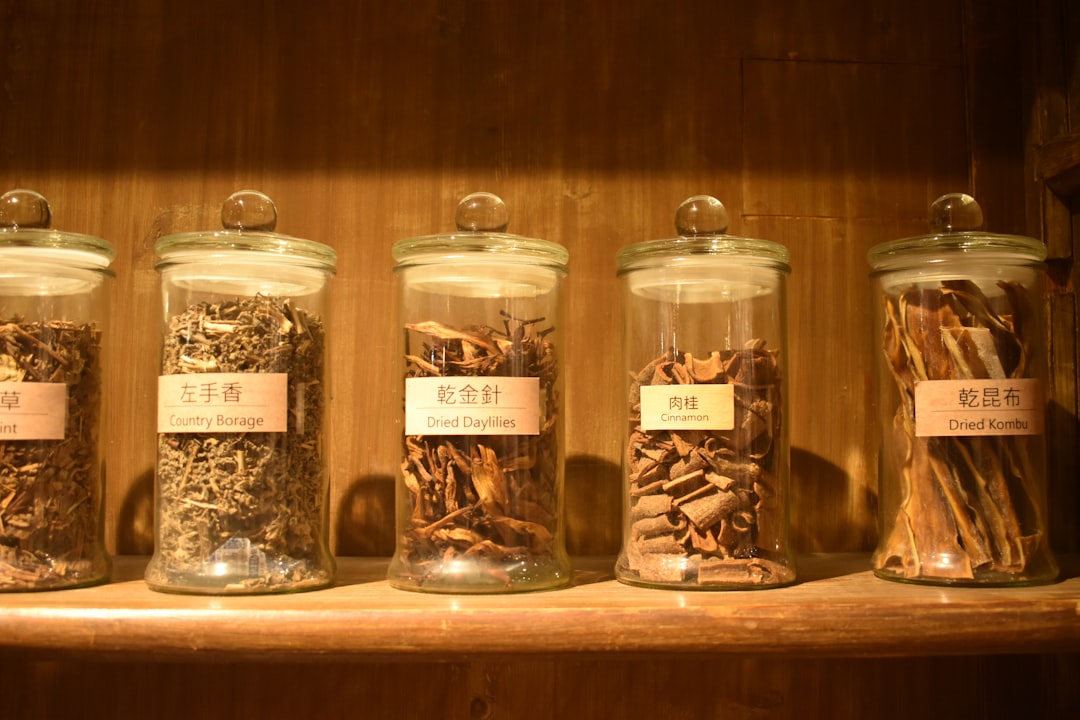
Marketplace economics differ from wholesale economics, and the difference is not small. Wholesale costing stops at unit cost plus freight. Amazon adds a referral fee, a fulfilment fee, storage, returns, and advertising.
Referral fees on supplements run in the mid-teens as a percentage of sale price. Fulfilment fees scale with size and weight, which penalises glass. In addition, advertising is effectively mandatory in a crowded category. It often becomes the largest single cost after the product itself.
Consequently you build the unit economics backwards from the target retail price, not forwards from cost. Set the price, subtract the marketplace costs, and see what remains for production. If the remainder does not support compliant manufacturing at a sane margin, change something structural. Pick a different format, a different size, or a different channel. Do not just hunt for a cheaper manufacturer.
Channel mix is the wider question here. Amazon rewards volume and punishes thin margins. Consequently many Canadian herbal brands run it alongside DTC and retail, not as the sole outlet. Sales channel strategy for herbal brands maps out the trade-offs. Furthermore, the capital required to launch shifts noticeably with the mix you pick.
Sequencing an Amazon Herbal Supplement Launch in Canada
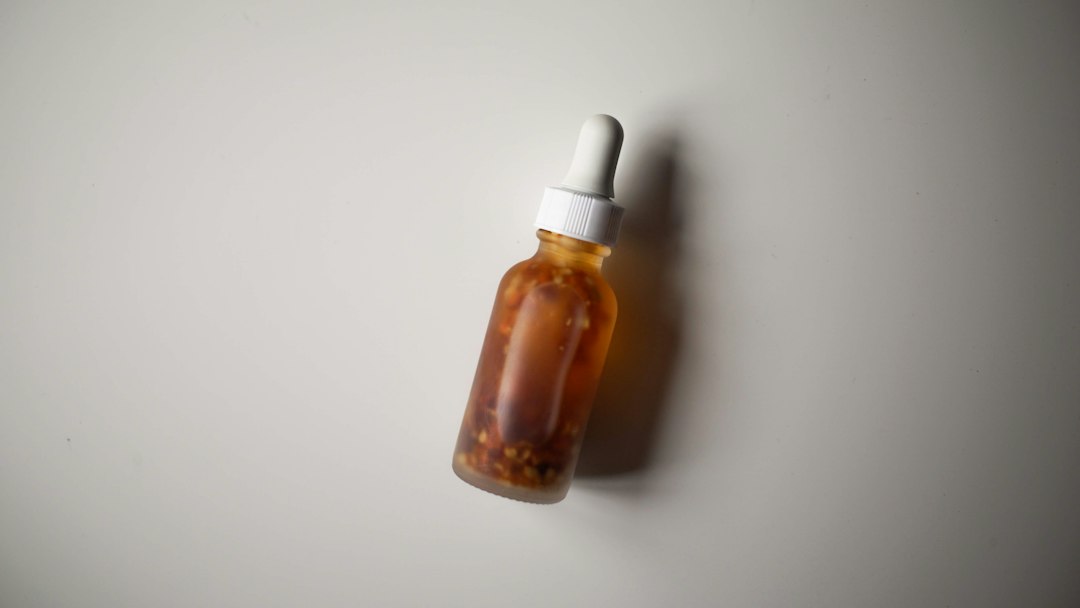
Amazon herbal supplement manufacturing Canada rewards brands that treat the marketplace as a manufacturing constraint rather than a distribution afterthought. The licence sets the calendar. The label sets the print deadline. Shelf life sets the batch size, and marketplace fees set the viable format.
Decide those four in order and the launch becomes routine. Decide them out of order and the first year goes to fixing suppressed listings instead of selling. Furthermore, every one of them is cheaper to resolve on a spreadsheet than on a pallet.
To scope a marketplace-ready program, review the contract manufacturing options available in Canada. Alternatively, request a quote with your format, volume, and target launch date in hand.
Published: September 16, 2026