
Herbal supplement trends in Canada move faster than most product development cycles. That gap is where brands either capture a category or miss a season. A format trending in March can be a shelf-ready SKU by September. Or it can turn into regulatory dead weight that never earns an NPN.

However, the brand owners who capitalise on category growth are rarely the ones reacting fastest. They screen a trend against sourcing reality, format economics, and Health Canada's claims framework first. Then they commit capital.
Key Takeaways
- Format innovation drives more growth than novel ingredients — liquids, powders, and single-serve delivery are taking category share
- Four categories dominate: functional mushrooms, sleep and stress support, women's health, and pet formats
- Sourcing transparency has become a purchase driver, not a back-office detail — traceability claims now appear on front-of-pack copy
- A trend only matters commercially if the ingredient has a viable NHP pathway and a stable supply chain
- Pilot volumes validate a trend at a few hundred units, before full-scale tooling and inventory
How to Read Herbal Supplement Trends in Canada Without Chasing Hype

Most trend reporting targets consumers, not the people who have to manufacture the product. A consumer-facing article tells you an ingredient is popular. It does not tell you whether the raw material exists at commercial volume. It says nothing about specification stability. And it will not tell you whether the intended claim survives a product licence application.
Worth understanding before you proceed: herbal supplement trends in Canada split into three very different categories. Format trends cover how a brand delivers the product. These are usually the safest to act on, because the ingredients and regulatory pathway already exist. Category trends cover which health area a brand competes in. They carry moderate risk, since the field can saturate within eighteen months. Single-ingredient trends are the riskiest, because raw material pricing and availability often spike well before finished-goods demand does.
As a result, a practical screen runs in that order. Ask whether the trend maps onto a format change to something already manufacturable. If it does, the path from concept to shelf takes months rather than years. Furthermore, a format-led trend play protects the brand if interest in a specific botanical cools off. The delivery format outlives the ingredient of the moment.
Format Shifts Driving Herbal Supplement Trends in Canada
Capsules still dominate Canadian retail shelf space, but growth is coming from elsewhere. Liquid formats have taken share consistently, and the reason is commercial rather than clinical. A dropper bottle or spray differentiates visually in a category where every capsule bottle looks the same.
Alcohol-free delivery is the clearest example. Glycerite formats open up buyers who avoid ethanol for personal, religious, or age-related reasons. They also widen the retail channels a brand can sell into. Brands adding an alcohol-free line alongside an existing tincture typically keep the same botanical inputs. That keeps formulation work modest. The glycerite manufacturing considerations differ enough from ethanol extraction that the decision belongs at the formulation stage. Make that call before anyone draws packaging artwork.
Powders and sticks are the other major format story. Single-serve sachets suit direct-to-consumer subscription models well, and they photograph better than a bottle for social commerce. The trade-off is packaging cost per dose, which can be double that of a bulk container.
The practical implication: format trends change your packaging spend and unit economics more than your ingredient spend. Run the numbers on a per-unit basis with a tincture calculator before committing to a format. A format that looks premium at 500 units can be unprofitable at 5,000.
Four Category Growth Areas Brand Owners Are Capitalizing On
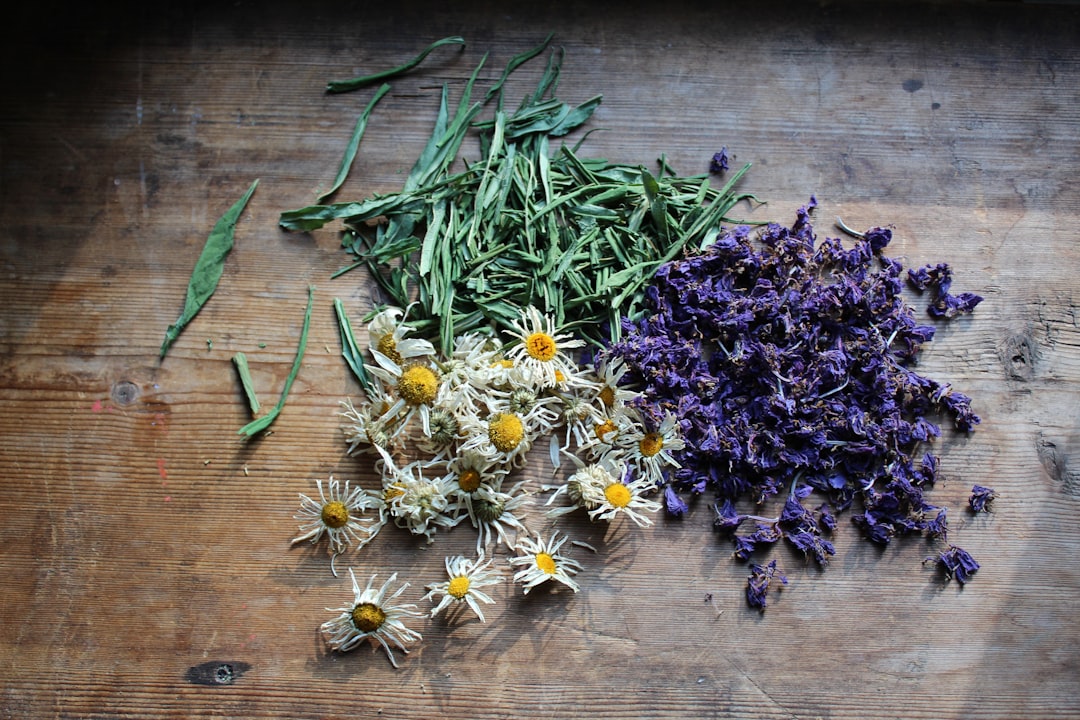
Functional mushrooms. Reishi, lion's mane, and cordyceps have moved from specialty health stores into mainstream grocery and pharmacy. The category rewards brands that get the regulatory framing right. Ingredient part and preparation method both matter to Health Canada. The functional mushroom NHP regulations are the gating factor here, not the supply chain.
Sleep and stress support. This remains the largest single category by retail volume, and it is also the most crowded. Brands entering now generally succeed on format or positioning rather than on ingredient novelty.
Women's health. Perimenopause and cycle-support positioning has grown quickly, largely thanks to direct-to-consumer brands with strong founder-led marketing. Retail buyers have followed the demand, so the shelf space now exists.
Pet supplements. Botanical products for companion animals sit under a separate regulatory framework in Canada, which changes the compliance workload substantially. Brands treating a pet line as a label variant of a human SKU discover the difference late and expensively.
Across all four, one pattern holds. Category entry is easy. Retention depends on holding a consistent specification and reordering reliably as volume climbs.
Transparency and Sourcing Have Become Purchase Drivers
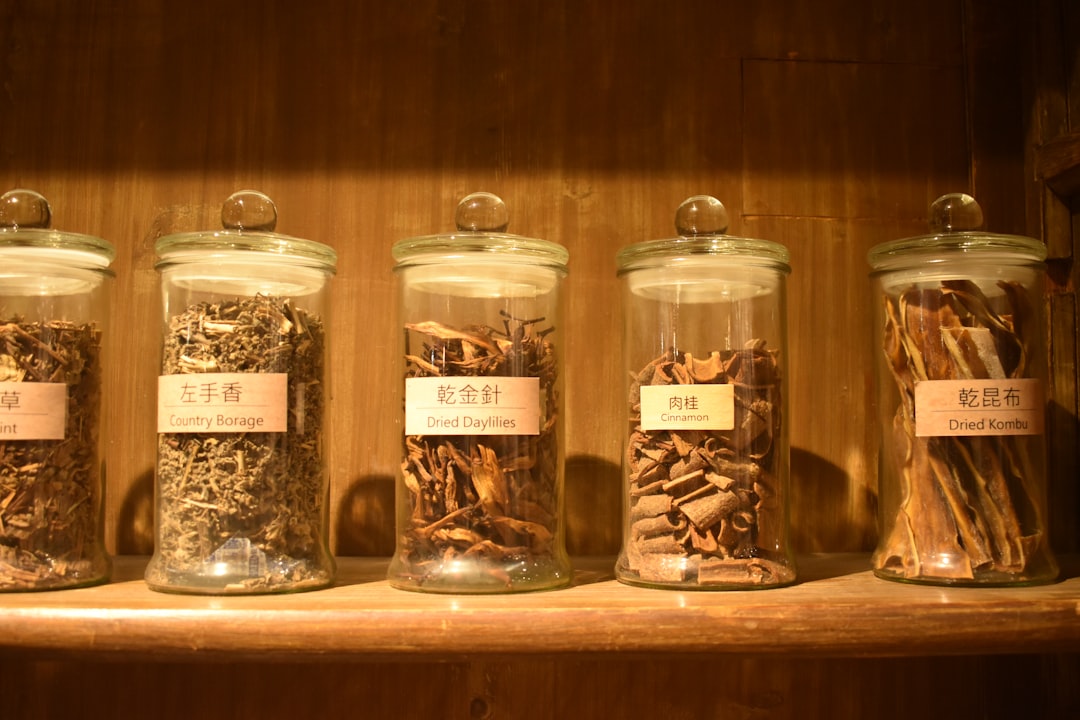
Five years ago, sourcing detail lived in a FAQ page. Today it appears on front-of-pack copy, and retail buyers ask for it during the listing conversation. Country of origin, wildcrafted versus cultivated status, and third-party certifications now function as marketing assets rather than compliance paperwork.
Specifically, certification claims carry commercial weight. Organic, FairWild, and similar programs give a brand something defensible to say in a category full of unsubstantiated language. The sustainable herbal sourcing certifications available to Canadian brands vary considerably in cost. They also differ in the documentation burden they push onto suppliers.
This is where many brands run into trouble. A traceability claim commits the brand to holding documentation for every lot it sells, across every supplier change. In addition, a claim that fits the first production run can quietly become wrong two years later. A single raw material substitution does it.
Therefore, treat sourcing claims the way you treat health claims. Only print what the documentation can support for the life of the SKU.
The Regulatory Filter: Which Herbal Supplement Trends Survive NHP Review
A trend is only commercially real in Canada if the product can earn a licence. Every natural health product sold here needs a product licence and an NPN. Label claims also need substantiation, through either a monograph pathway or a non-monograph evidence submission.
Here is what that means in practice. Ingredients with an existing Health Canada monograph move quickly. Health Canada has already set the permitted claims, doses, and risk statements. Trending botanicals without monograph coverage require an evidence package, which adds months and cost to the timeline. Reviewing the NHP claims substantiation pathways early will tell you which of the two situations a candidate ingredient falls into.
The short version: check monograph coverage before you commission packaging artwork. Brands routinely design a label around a claim. Then they discover the claim is unavailable for that ingredient at that dose.
Channel strategy interacts with this as well. Marketplace listings and retail listings face different scrutiny, and a compliant Canadian label is not automatically a compliant US listing. Mapping the intended sales channel strategy alongside the regulatory work prevents rework after the first production run.
Turning a Trend Into a Manufacturable SKU
The gap between spotting a trend and selling a product is an operational one. A brand needs a formulation that reproduces reliably and a raw material supply that holds specification. It also needs packaging that fits the format, plus a licence in hand before the first unit ships.
Pilot volumes are the standard way to de-risk this. A small first run validates packaging, price point, and consumer response at a few hundred units. No full-scale inventory commitment required. The step from a pilot to a commercial run introduces its own variables. Plan the scale-up from pilot to production before you even order the pilot.
In addition, sequencing matters more than speed. Formulation, regulatory submission, packaging design, and production booking overlap rather than run in sequence. A brand that treats them as sequential steps usually adds a full quarter to its launch. Canadian contract manufacturing engagements work best when the regulatory and production tracks start in the same month.
For a trend-driven launch specifically, build the schedule backwards from the retail window you are targeting. If a brand wants shelf presence for a January reset, formulation work has to wrap up the previous spring.
Herbal supplement trends in Canada will keep turning over faster than product development timelines, and that will not change. One habit separates brands that capitalise on a trend from brands that chase one: screening order. Format first, monograph coverage second, supply chain third, packaging last.
Follow that order consistently and a trend becomes a scheduled launch instead of a gamble. To discuss a trend-driven SKU and what it would take to produce, get in touch for a quote.
Published: September 15, 2026