
Tincture bottle filling in Canada is the decision most brand owners defer until the quote arrives, and that timing costs them. The closure you choose drives dosing accuracy, unit cost, tooling lead time, and part of your labelling burden. Change it after artwork is approved and you are usually redoing the label, not just the cap. So it pays to settle the format while the formula is still in development.

Key Takeaways
- Dropper, spray and pump closures are not interchangeable — each changes dose size, viscosity tolerance and per-unit cost.
- Fill volume and headspace are specified separately from bottle size; a 50 mL bottle is rarely filled to 50 mL.
- Closure choice interacts with Canadian labelling rules, because the recommended dose on the panel must match what the delivery format actually dispenses.
- Child-resistant and tamper-evident options exist for all three formats but carry different tooling and cost implications.
- Confirm fill tolerance, closure availability and changeover cost with a manufacturer before artwork goes to print.
Why Tincture Bottle Filling Belongs in the Formulation Conversation
Brand owners tend to treat the bottle as packaging and the liquid as the product. In practice the two are one system. A high-viscosity glycerite behaves very differently in a spray pump than a 1:5 alcohol extract does, and the closure that works beautifully for one can clog or spit with the other.
Here's what that means in practice: the format conversation belongs alongside the formulation conversation, not after it. Viscosity, alcohol percentage and any suspended material all constrain which closures are realistic. Furthermore, the dose your label eventually declares has to be something the closure can actually deliver, repeatably.
Lead time is the second reason to decide early. Closures and bottles frequently ship from different suppliers on different schedules, and a non-stock cap can add weeks. Our breakdown of herbal contract manufacturing lead times in Canada covers how component sourcing moves the overall date.
The practical implication is simple. Tincture bottle filling in Canada is a component-sourcing decision as much as a production one, so lock it before you commission artwork.
Dropper, Spray and Pump: What Each Format Actually Does
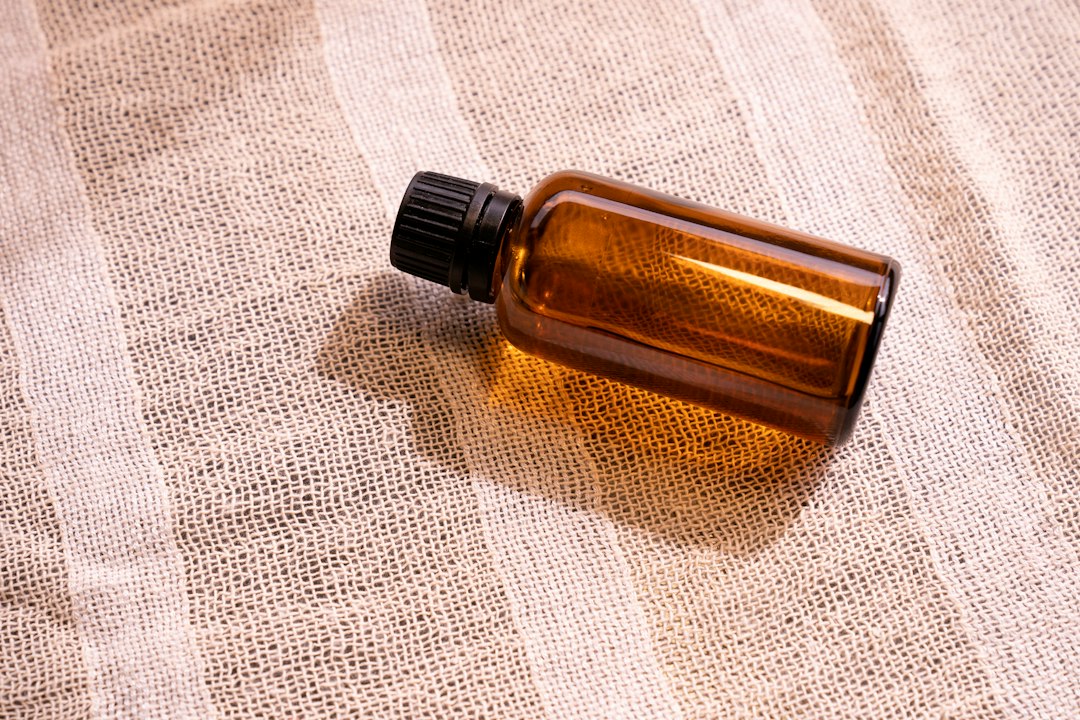
Droppers remain the default for liquid herbal extracts, and for good reason. A glass pipette with a rubber or silicone bulb handles thin alcohol extracts well, costs little, and matches what buyers expect from the category. However, dose accuracy depends entirely on the user. A "full dropper" varies with bulb strength, technique and how much the pipette is squeezed, which makes the declared dose an approximation rather than a measurement.
Spray closures deliver a genuinely metered dose. Each actuation dispenses a fixed volume, typically somewhere between 0.1 and 0.25 mL depending on the pump specified. That precision suits low-volume, high-potency formats and oral sprays aimed at convenience buyers. On the other hand, spray mechanisms are fussier about viscosity and particulates, and they cost meaningfully more per unit than a pipette.
Pump closures sit between the two. They dispense a larger metered volume, usually 0.5 to 2 mL, which suits higher-dose liquids and anything a consumer would otherwise pour. Pumps also handle thicker liquids better than sprays. Because the dip tube and chamber add material, though, they are the most expensive of the three and the bulkiest to ship.
Worth understanding before you proceed: none of these choices is objectively better. The right one follows from your dose size, your viscosity and your retail price point.
Fill Volume, Headspace and Dose Accuracy
Bottle size and fill volume are separate specifications, and new brand owners routinely conflate them. A 50 mL bottle is not filled to the brim. Manufacturers leave headspace so the closure can seat properly, the pipette has somewhere to displace liquid, and thermal expansion during shipping does not push product past the seal.
Dropper bottles usually need the most headspace, because the pipette itself occupies volume inside the neck. Spray and pump closures need less, but they add a dip tube that must reach near the base or the last few millilitres never dispense. Consequently, the usable volume a customer experiences can differ from the declared fill.
Fill tolerance matters too. Any filling operation works to a tolerance band rather than an exact number, and that band should be stated in your specification. Ask what it is, because a declared 50 mL with a wide negative tolerance is a compliance problem waiting to happen.
Here's how this connects back to dosing. If your label says one dropperful twice daily and the bottle claims a 30-day supply, the arithmetic has to survive scrutiny. Therefore, settle fill volume, closure output and declared dose together rather than sequentially.
Closures, Compliance and Canadian Labelling Overlap
Canadian natural health products carry mandatory information on the label, including the recommended dose and directions for use. Health Canada's natural and non-prescription health products framework sets out the licensing and labelling expectations that apply. Because the recommended dose must reflect what the product actually delivers, the closure is effectively part of your compliance story.
A metered spray makes this straightforward, since the dose is a countable number of actuations. A dropper is harder, because "one full dropper" is not a unit of measurement in any regulatory sense. Brands frequently resolve this by declaring a millilitre figure and printing graduations on the pipette, which adds tooling cost but removes ambiguity.
Child-resistant and tamper-evident closures are available across all three formats. Requirements depend on the product and its ingredients rather than the category as a whole, so treat this as a product-specific question during licensing. Additionally, any CR closure narrows your supplier options and can extend lead time.
Bilingual panels compound the space problem. A small bottle with a large closure leaves very little label real estate, and both official languages must appear. Our guide to herbal product packaging design in Canada goes deeper on fitting mandatory content into a small footprint.
What to Confirm Before Committing to Tincture Bottle Filling
Before artwork goes to print, get five things in writing from your manufacturing partner. First, the exact bottle and closure part numbers, including neck finish. Second, the declared fill volume and the fill tolerance band.
Third, ask whether the closure is a stock component or a special order, since that single answer often explains a multi-week difference in schedule. Fourth, confirm the changeover cost if you later switch formats across a product line. Finally, check how the closure affects case pack and shipping dimensions, because a pump can change your freight class.
Format choice also interacts with dosage form more broadly. If you are still weighing liquid against solid dose, our comparison of tincture, glycerite and capsule formats is the earlier decision to settle first.
Tincture bottle filling in Canada rewards brands that treat the closure as a formulation input rather than a packaging afterthought. If you are scoping a run and want the component questions answered before you commit, our manufacturing services page outlines the engagement, and you can bring a spec to us through contact.
Published: September 20, 2026