
Herbal gummy contract manufacturing has gone from a niche request to a standard line on brand briefs. However, the format behaves nothing like a tincture or a capsule. Sugar, pectin, heat, and moisture all interact with botanical actives. As a result, a formula that works beautifully in a dropper bottle can fail outright in a gummy base. Before you commit budget to the format, it helps to know what changes and where the money actually goes.

Key Takeaways
- Herbal gummy contract manufacturing is a food-style production job with a supplement overlay, so expect different suppliers and different failure modes.
- Heat and shelf life both degrade botanical actives, and therefore overage plus stability data drive the formula.
- Minimum runs are large, because depositing lines favour volume and changeovers eat time.
- In Canada a gummy may sit under the NHP Regulations or the Supplemented Foods framework, and that fork decides your label.
- Always budget for a prototype round, since texture and taste rarely land on the first attempt.
What Herbal Gummy Contract Manufacturing Actually Involves
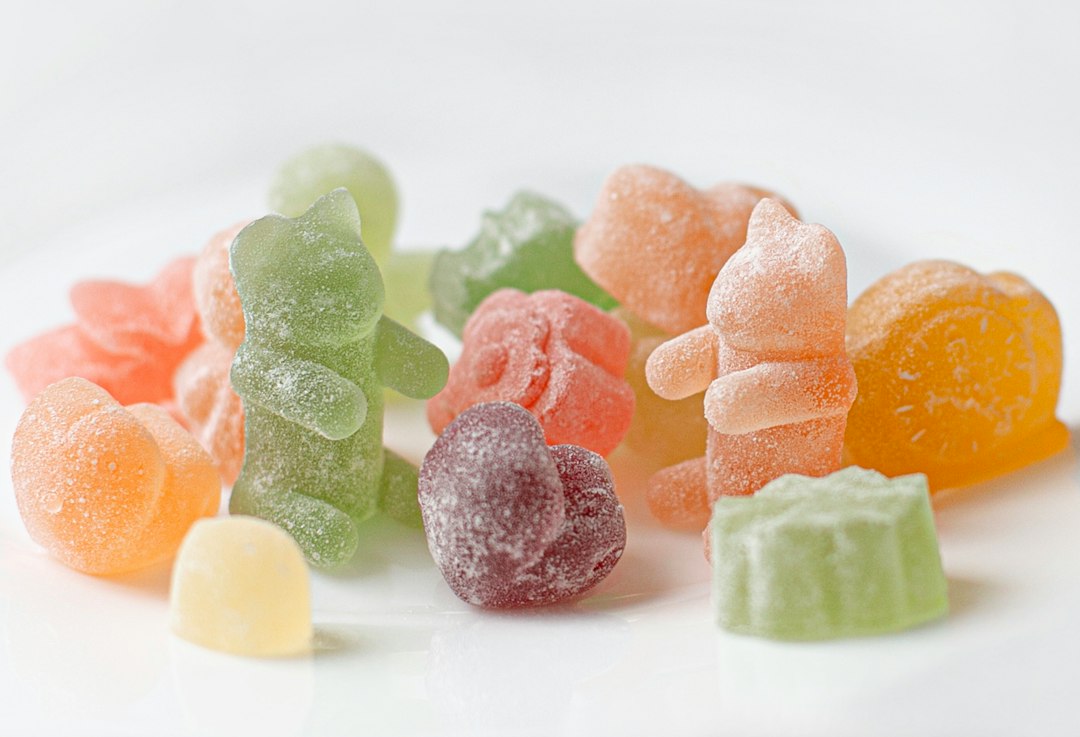
Herbal gummy contract manufacturing starts in a cooking kettle, not an extraction vessel. Water, sugar, and glucose syrup come up to temperature first. Then the gelling agent goes in, either gelatin for a chewy bite or pectin for a vegan one. Finally, the operator adds the botanical extract, acidulant, colour, and flavour at the lowest workable temperature.
The hot slurry then moves to a depositor, which meters it into starch or silicone moulds. Curing follows, usually somewhere between 24 and 72 hours. After demoulding, the gummies pick up a sugar or oil coating and head to packaging.
Here is what that means in practice: a gummy line is food production with a supplement overlay. Because of that, the questions you ask a partner change. Instead of menstruum ratios and maceration time, you are asking about depositor tolerance, cure-room capacity, and coating options.
Herbal gummy contract manufacturing also pulls new suppliers into your bill of materials. Gelatin, pectin, sweeteners, and flavour houses join the botanical vendors you already qualify. Consequently, supplier qualification work grows well before the first run.
Why Botanical Actives Behave Differently in a Gummy
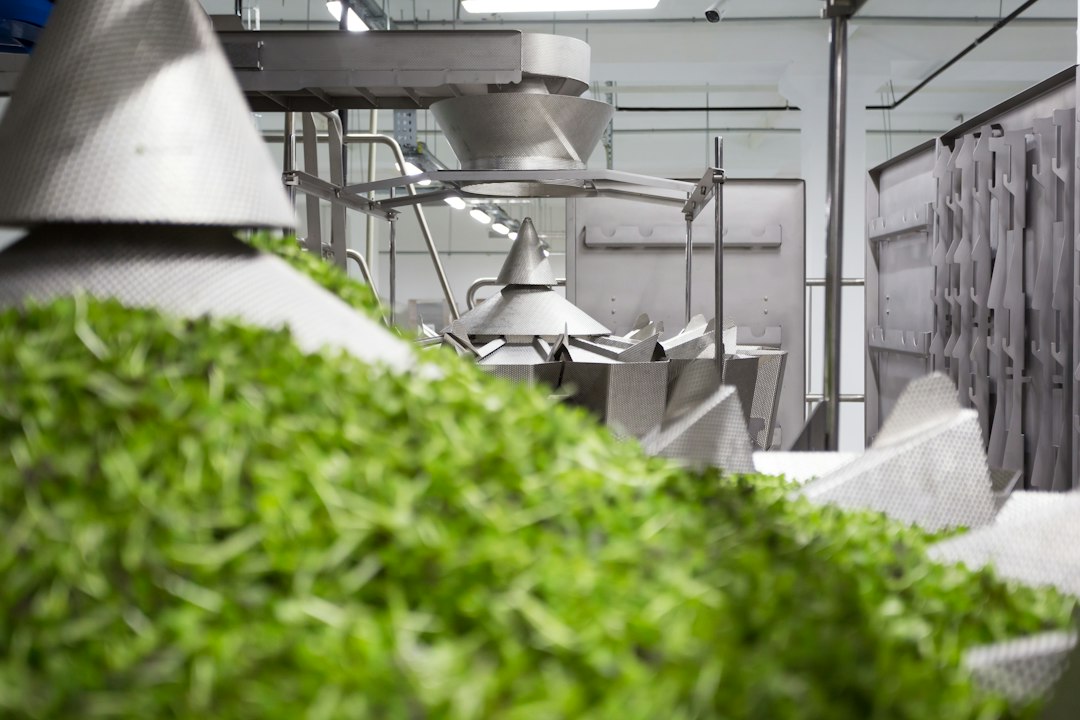
Heat is the first hurdle. A gummy slurry runs hot during cooking, and many botanical constituents dislike that. Volatile oils flash off. In addition, some glycosides and polyphenols degrade.
For example, a mint or citrus extract loses much of its aroma in the kettle. Therefore, formulators add heat-sensitive material as late as the slurry allows. Even then, a measurable loss is normal.
Overage is the standard answer. In other words, the formula starts with more active than the label claims, so the product still meets that claim at the end of shelf life. Setting the overage is a data question rather than a guess. Stability studies show how fast a marker compound drops. For that reason, a stability testing programme belongs in the plan early.
Taste is the second hurdle. Bitter botanicals are hard to hide behind sugar alone. As a result, the dose per gummy usually lands lower than brand owners expect. Two or three gummies per serving is common.
The practical implication: the format caps your dose. If a daily serving needs 500 mg of a bitter extract, a gummy may not be the right vehicle.
NHP or Supplemented Food: the Canadian Regulatory Fork
In Canada, a gummy can travel two regulatory roads. One is the Natural Health Products Regulations, which ends in an NPN and a product licence. By contrast, the other is the Supplemented Foods framework, which uses a Supplemented Food Facts table instead.
The choice is not cosmetic. Specifically, it changes permitted claims, labelling, cautionary statements, and who needs a site licence. Health Canada sets out the natural and non-prescription health products framework in detail, while supplemented foods sit under food law.
Gummies raise this question more than any other format. Because they look and eat like candy, they sit right on the line between food and supplement. Moreover, sugar load, serving size, and claim language all push the decision one way or the other.
Worth understanding before you proceed: the pathway shapes your timeline as much as your label. An NPN submission joins a review queue. A supplemented food needs no pre-market licence, but it carries strict compositional limits. For a fuller comparison, the breakdown of supplemented food versus NHP in Canada walks through the decision.
MOQs and Cost in Herbal Gummy Contract Manufacturing
Herbal gummy contract manufacturing carries much higher minimums than liquid work. A depositing line favours long runs, and changeover between formulas is slow. Moreover, cleaning a starch moulding system takes real time. As a result, minimum runs usually start in the tens of thousands of units.
Mould tooling is the other surprise. A custom shape needs custom moulds, and those carry a one-time charge. However, most partners keep stock shapes such as bears, hearts, and squares at no tooling cost.
Then there is packaging. Gummies need a moisture barrier, so bottles take induction seals and desiccant, while pouches need a foil layer. Each choice moves your per-unit cost.
The short version of the budget: ingredients are cheap, runs are long, and setup is expensive. Because of that, the unit economics only work at scale. Brands that launch a gummy at tincture volumes usually land on a per-unit cost they cannot sell against. Before modelling any of it, learn how to read a contract manufacturing quote line by line.
Stability, Shelf Life, and Storage
Gummies fail in predictable ways. They stick together in the bottle. In addition, some dry out and turn hard. Others bloom sugar across the surface. Meanwhile, active levels drift downward.
Water activity drives most of that. Too high, and microbial growth becomes a risk; too low, and texture suffers. Consequently, finished-product specifications for gummies include water activity alongside identity and potency.
Shelf life claims need data behind them. Health Canada expects stability evidence supporting the expiry date on an NHP label. Real-time and accelerated studies both have a place. Therefore, build the study into your launch timeline rather than bolting it on later.
Storage matters too. Gummies dislike heat in transit and warm warehouses. For that reason, brands shipping into hot climates often move to a firmer pectin formula or a sturdier pack.
How to Brief an Herbal Gummy Contract Manufacturing Partner
A good brief saves months. First, set the non-negotiables: target dose per gummy, gelatin or pectin, sugar-free or sweetened, and the claim you intend to make. Each of those decisions constrains everything downstream.
Next, be honest about volume. A partner quoting herbal gummy contract manufacturing needs a realistic annual forecast, not an aspirational one. Pricing tiers move sharply with quantity.
Then ask for a prototype round. Texture, sweetness, and botanical bitterness rarely land on the first attempt. Two or three iterations is normal, and each one costs money and calendar time.
Finally, confirm the regulatory pathway before artwork begins. Nothing burns a launch budget faster than printing 20,000 labels against the wrong framework.
Herbal gummy contract manufacturing rewards brands that treat the format as a food project with supplement discipline. If you are weighing gummies against liquids or capsules, the comparison of tincture, glycerite, and capsule formats is a useful starting point. The manufacturing services page covers what a full engagement looks like, and you can get in touch to scope a run.
Published: September 21, 2026