
Softgel herbal extract manufacturing looks simple from the outside, yet it is one of the least forgiving dosage forms a herbal brand can choose. A softgel is a sealed, one-piece shell around a liquid or semi-solid fill. That seal is its strength, because it protects oils and delicate actives from air and light. However, it also means the fill and the shell have to get along for the entire shelf life of the product.

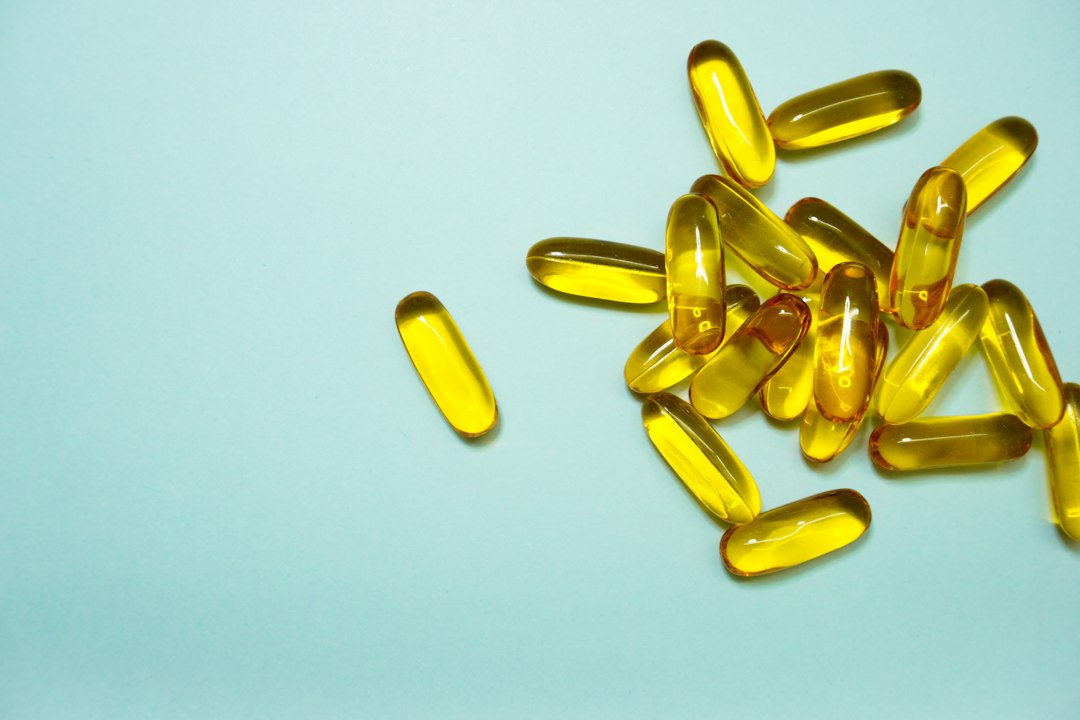
This guide walks through how the process works across the industry, which herbal extracts suit the format, and the cost and regulatory questions to settle before you request a quote.
Key Takeaways
- Softgels suit oil-soluble and lipophilic herbal extracts; standard hydroalcoholic tinctures cannot go straight into a softgel shell.
- Shell choice (bovine or porcine gelatin vs plant-based) affects cost, stability and label claims such as vegan or halal.
- Encapsulation relies on custom dies and long run set-ups, so minimum order quantities are usually far higher than for tinctures or hard capsules.
- Shell–fill interactions drive most stability failures, so a stability program should be built in from the start.
- In Canada, a herbal softgel sold as an NHP still needs a product licence, a licensed site and labelling that reflects the shell source.
How Softgel Herbal Extract Manufacturing Works
Most contract manufacturers make softgels with a rotary die process. First, the line casts two ribbons of warm shell material. Next, two rotating dies press the ribbons together while a pump injects a precise dose of fill between them. The dies then cut and seal each capsule in one motion.
Here's what that means in practice: fill, shell and die all have to be dialled in together. After encapsulation, the capsules go through tumble drying and then tray drying, which can take several days. As a result, a softgel run has a longer cycle time than a comparable tincture or hard capsule run.
Also, softgel encapsulation is capital-intensive equipment. For that reason, many herbal brands source softgels through a specialist encapsulator, even when their liquid products come from a separate tincture partner.
Which Herbal Extracts Suit Softgel Manufacturing?
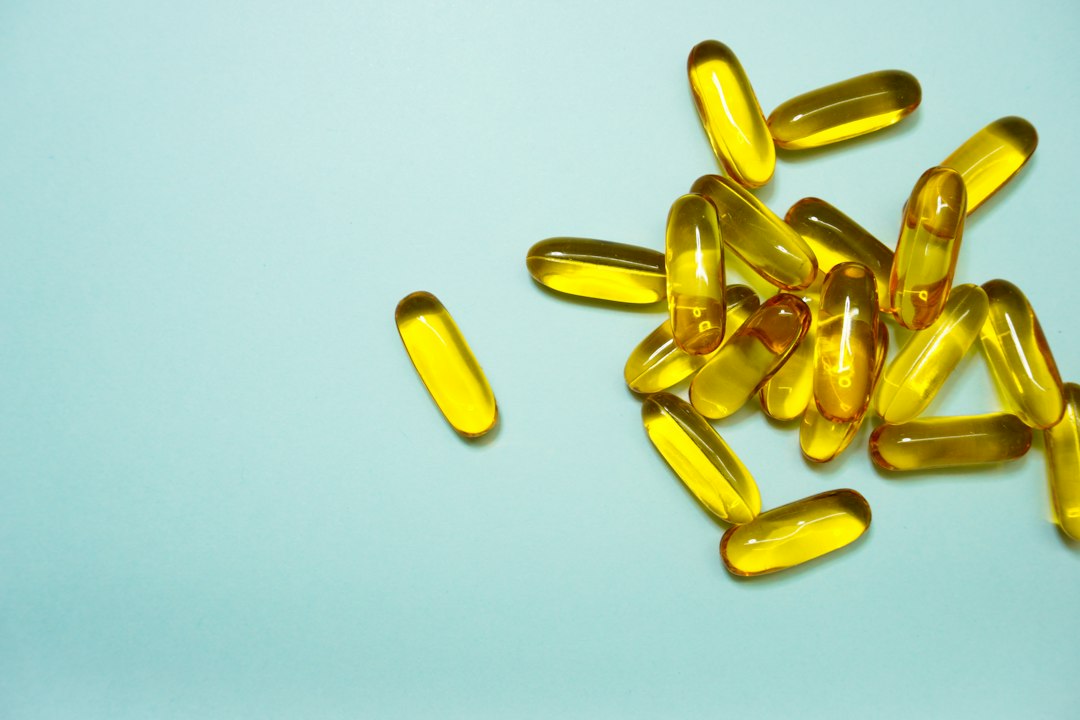
This is where most brands run into trouble. A softgel shell is water-sensitive, so the fill has to be oil-based or otherwise low in free water. A standard hydroalcoholic tincture does not work, because water and ethanol migrate into the shell and soften or distort it.
So which extracts fit the format? In general, three types do well:
The practical implication: if your formula starts life as a tincture, softgel herbal extract manufacturing usually means reformulating it as a dry extract or an oil-based extract first. That step adds development time, and it can change the extract ratio you declare on the label. Our format comparison guide covers when a liquid format may serve the formula better.
Shell Options: Gelatin vs Plant-Based
Gelatin remains the industry default for softgels. It seals well, runs fast and costs less. However, gelatin comes from bovine, porcine or fish sources, so it rules out vegan claims and may conflict with halal or kosher positioning.
Plant-based shells, usually built on modified starch and carrageenan, answer that demand. On the other hand, they tend to cost more, run slower and suit a narrower range of fills. Some also behave differently in heat and humidity.
Worth understanding before you proceed: the shell source belongs on the label and in the product licence file. Therefore, decide on shell type early, because switching later can mean new stability data and a licence amendment.
MOQs and Cost for Softgel Herbal Extract Manufacturing
Softgel lines take time to set up, clean and change over. In addition, a custom shape, size or shell colour can call for dedicated dies. As a result, minimum order quantities in softgel herbal extract manufacturing are typically much higher than for tinctures. Encapsulators often quote runs in the tens of thousands of units or more.
The short version: softgels suit brands with proven demand, not first-batch market tests. For example, a new brand might launch a formula as a liquid or hard capsule, then move to a softgel once volume justifies the MOQ. Our guide to minimum order quantities explains how batch size drives per-unit cost across formats.
Also budget for development. Fill formulation, trial encapsulation and stability samples all come before the first commercial run.
Stability in Softgel Herbal Extract Manufacturing
Most softgel failures trace back to the interaction between shell and fill. For example, aldehydes in some botanical fills can cross-link gelatin, which slows how the shell dissolves over time. Likewise, oils can oxidise, and moisture can move between shell and fill during storage.
For this reason, a sound stability testing program matters even more for softgels than for tinctures. Brands should expect real-time and accelerated stability data on the finished capsule, including appearance, fill content and disintegration. Packaging also plays a role, since blister packs or tightly sealed bottles with desiccants help limit humidity exposure.
Regulatory Notes for Herbal Softgels in Canada
Format does not change the regulatory pathway. A herbal softgel sold for a health purpose in Canada is a natural health product, so it needs a product licence (NPN) and manufacture at a licensed site. Health Canada's natural health products framework sets out these requirements.
Softgels do add a few details to plan for. First, the non-medicinal ingredients list must name the shell components and the oil carrier. Second, animal-derived gelatin may require source documentation. Finally, any vegan, halal or allergen-related claim has to match the shell and fill you actually use.
If you are weighing formats for a new herbal product, request a quote or review our manufacturing services. Settling the format question early is the fastest way to a realistic softgel herbal extract manufacturing plan in Canada.
Published: September 23, 2026