
Herbal product prototype manufacturing is the cheapest insurance a brand owner can buy before committing to a full production run. A prototype round costs a fraction of a commercial batch, yet it catches the problems that sink launches: a bitter finish, a cloudy extract, a dropper that leaks, or a label claim the formula cannot support. However, many first-time brands skip this step because they want to reach the shelf faster. This guide walks through how samples and prototype batches work, what they typically cost, and what to evaluate before you sign off on production.

Key Takeaways
- A stock sample, a custom prototype and a pilot batch answer different questions, so request the one that matches your decision.
- Evaluate taste, appearance, dose volume, packaging fit and label feasibility before approving a prototype.
- Prototype rounds usually take a few weeks and cost far less than a failed commercial batch.
- Lock the approved formula, specifications and packaging in writing before scaling up.
- Budget for at least one revision round, because most first prototypes need adjustment.
What Herbal Product Prototype Manufacturing Involves
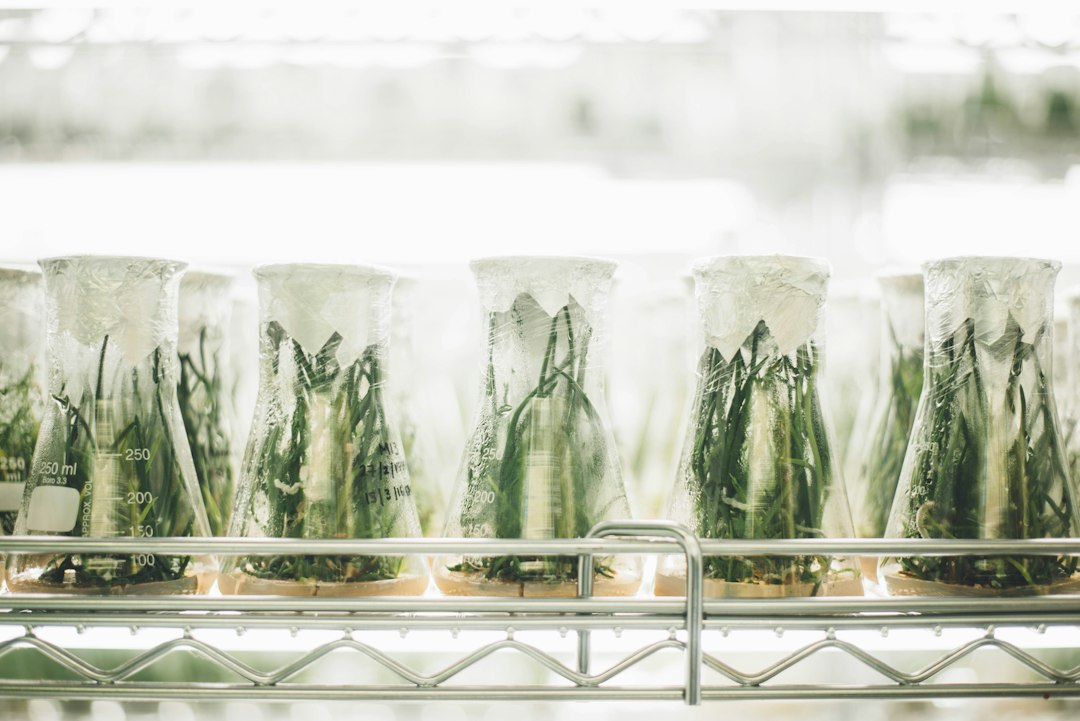
A prototype is a small, representative run of your finished product. It uses the intended herbs, ratios, solvent system and packaging, so you can hold, taste and test the real thing. In contrast, a concept or a spec sheet only tells you what the product should be on paper.
Here's what that means in practice: herbal product prototype manufacturing turns a formula brief into physical units you can judge. You can share them with a focus group, a retail buyer or your regulatory consultant. As a result, you make decisions from evidence instead of assumptions.
Most prototype rounds cover four stages. First, you submit a formulation brief. Next, the manufacturer confirms ingredient availability and feasibility. Then a small batch is produced and filled. Finally, you review the units and either approve them or request changes.
Samples vs Prototypes vs Pilot Batches
Brand owners often use these terms interchangeably. However, each one answers a different question, and the cost difference between them is significant.
The short version: request stock samples when you are shortlisting partners, custom prototypes when you are finalizing a formula, and a pilot batch when you are ready to scale. For the volume side of that last step, see the companion guide to scaling from pilot batch to full production.
What to Evaluate During Herbal Product Prototype Manufacturing
A prototype is only useful if you review it against clear criteria. So before the units arrive, write down what a pass looks like. Otherwise, feedback tends to drift toward vague impressions like "it tastes strong."
Most brands assess these areas:
Worth understanding before you proceed: a prototype is not a substitute for formal stability data. The companion overview of stability testing programs explains how shelf-life claims are supported.
Herbal Product Prototype Manufacturing Costs and Timelines
Costs vary with formula complexity, ingredient availability and format. Still, a few patterns hold across the industry. Stock samples are usually inexpensive or free. Custom prototypes typically carry a development fee, because they require sourcing, formulation time and a dedicated small run.
Timelines follow a similar logic. A simple single-herb tincture prototype might take two to three weeks. On the other hand, a multi-ingredient formula with a hard-to-source botanical can take longer, since the manufacturer may need to qualify a new supplier first.
This is where most brands run into trouble. They budget for one prototype and nothing more. In reality, most first prototypes need at least one revision, so plan for two rounds in both your schedule and your budget. If you want to see how development fees appear on paper, read the breakdown of how to read a contract manufacturing quote.
Common Mistakes at the Prototype Stage
Even experienced brand owners make avoidable errors during herbal product prototype manufacturing. The most common ones are easy to prevent once you know them.
For the regulatory side, Health Canada's natural and non-prescription health products framework sets the rules your label and claims must follow.
Moving From Prototype to Full Production
Once a prototype passes your criteria, the next step is to lock it down. Specifically, agree on the approved formula, raw material specifications, fill volume, packaging components and label copy. Those documents become the reference point for every production batch that follows.
Then confirm the commercial terms. For instance, check minimum order quantities, lead times and how the manufacturer handles future formula changes. The companion list of questions to ask an herbal contract manufacturer covers the points worth settling before you sign.
Herbal product prototype manufacturing is ultimately a risk-reduction step. A few weeks and a modest development fee can save a brand from a costly first run that does not sell. If you are planning a new formula, explore our manufacturing services, estimate costs with the tincture calculator, or contact us to discuss your project.
Published: September 24, 2026