
An NHP product recall procedure in Canada is the one piece of documentation most brand owners never look at until the day they urgently need it. And on that day, the question Health Canada asks is not whether your product met spec. It's how fast you can identify every unit of a given lot, tell the regulator where it went, and get it back.


Recall readiness is a paperwork and traceability problem, not a manufacturing one. Brands that have run a mock recall handle it in hours. Brands that haven't spend days reconstructing records under pressure.
Key Takeaways
- Health Canada classifies recalls by health risk (Type I, II, III), and the class drives urgency, depth of distribution recovery, and public communication.
- Under the NHP Regulations, the product licence holder carries the recall obligation, not the contract manufacturer.
- A workable recall procedure needs one thing above all: lot-level traceability from raw material through to named customer.
- A mock recall is the only reliable way to find out whether your procedure actually works before it matters.
- Recall effectiveness is measured by how much product you can account for, not by how quickly you notified people.
What the NHP Product Recall Procedure in Canada Actually Requires
Recalls of natural health products fall under the Natural Health Products Regulations, and the obligation sits with the party named on the product licence. If your brand holds the NPN, your brand owns the recall. Furthermore, a contract manufacturer's site licence obligations do not transfer that responsibility to them, no matter who physically made the batch.
Health Canada expects a licence holder to have written recall procedures in place before any product ships. Specifically, the procedure should name who has authority to initiate a recall, how the decision gets documented, how affected lots are identified, how customers are notified, and how returned or destroyed stock gets reconciled.
Worth understanding before you proceed: Health Canada does not usually order a recall. Most recalls in Canada are voluntary, initiated by the company, with the regulator overseeing scope and effectiveness. That distinction matters because it puts the burden of speed and completeness on your organisation, not on an external timeline.
The practical implication: an NHP product recall procedure in Canada is only as strong as the records feeding it. A three-page SOP that references a traceability system nobody maintains will fail on contact with a real event. Brands that treat recall readiness as an extension of their batch record discipline tend to be the ones that survive an event without regulatory escalation.
Health Canada Recall Classes in the NHP Product Recall Procedure
Health Canada assigns every recall a class based on the health risk the defect presents. The class determines how aggressively you have to chase distributed product.
Type I covers situations where using the product carries a reasonable probability of serious adverse health consequences or death. Undeclared allergens, significant contamination, and dangerous ingredient substitutions land here. Consequently, Type I recalls typically reach the consumer level and often involve public communication.
Type II covers defects that may cause temporary or medically reversible harm, or where serious harm is unlikely. Many potency, labelling, and specification failures fall into this band. Recovery usually extends to the retail or wholesale level.
Type III covers defects unlikely to cause any adverse health consequence, such as minor labelling errors or cosmetic packaging faults. However, Type III still requires documentation and reconciliation, and it still shows up in your compliance history.
Here's what that means in practice: your procedure should not have one response speed. It needs a triage step that assigns a provisional class within hours of the initial signal, because a Type I event and a Type III event demand completely different mobilisation.
Traceability: The Foundation of Any Workable Recall
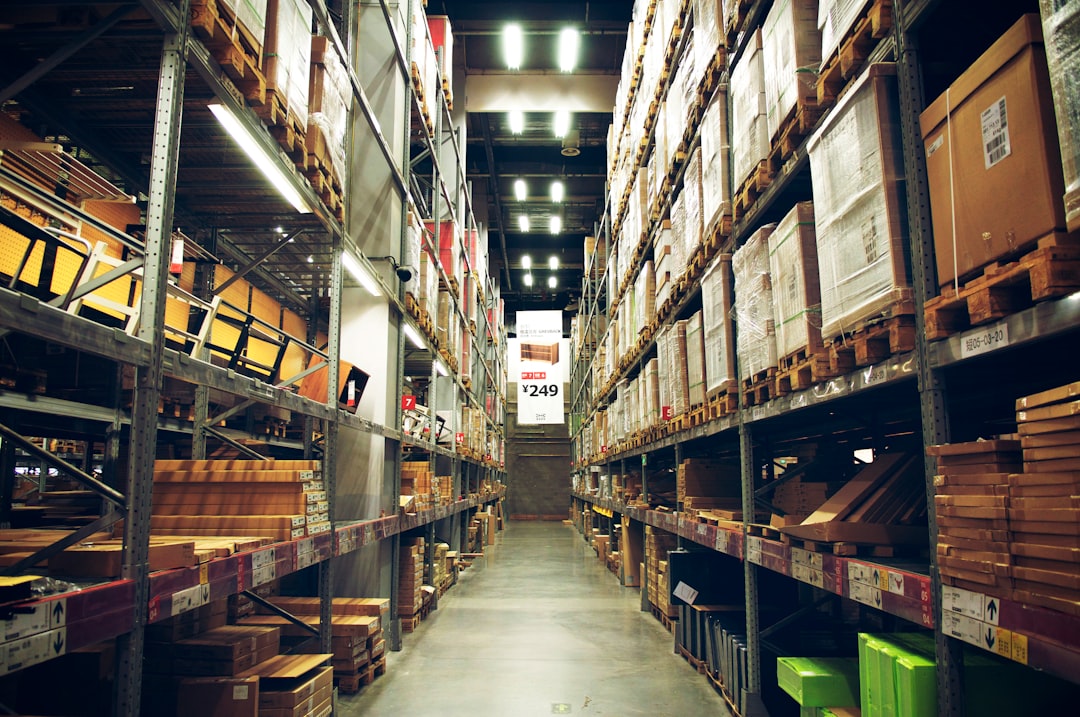
Every recall reduces to two lookups. Given a lot number, where did it go? And given a customer complaint, which lot did they receive? A brand that cannot answer both within a day does not have a recall procedure. It has a document.
Answering the first question requires distribution records tied to lot, not just to SKU and date. Therefore, your order and shipping system needs to capture which lot went into which shipment, down to the named account. Many small brands discover during a mock recall that their fulfilment platform records quantities but not lots, which makes forward traceability impossible.
Answering the second question requires the manufacturing side of the chain: which raw material lots, which supplier COAs, which batch record, which packaging components. In addition, that chain is where a root-cause investigation lives, and Health Canada will ask for it. A tight supplier qualification and traceability programme upstream makes this step routine rather than archaeological.
The short version: build traceability so that one lot number produces a complete forward and backward map in a single query. Everything else in recall readiness is procedure layered on top of that capability.
How to Run a Mock Recall
A mock recall is a rehearsal. You pick a lot at random, declare a hypothetical defect, and run the full procedure without notifying customers. Most brands run one annually, and many contract manufacturing partners expect their clients to.
Start by selecting a lot that has been fully distributed, ideally across multiple channels. Then set a clock. From the moment you declare the scenario, measure how long it takes to produce a complete distribution list for that lot, a quantity reconciliation showing what shipped versus what remains in inventory, and the full backward chain to raw materials.
Next, draft the documents you would actually send: the customer notification, the Health Canada recall report, and the internal decision record. Drafting them under simulated pressure exposes the gaps that reading an SOP never will. For instance, most teams find they do not have current contact details for every distribution account.
Finally, score the exercise on recovery percentage, not on effort. If you can account for 95 percent of a lot's units on paper, your traceability is sound. If you land at 60 percent, you have found the problem the exercise exists to find. As a result, the corrective actions from a mock recall are usually system and record changes, not procedural rewrites.
NHP Product Recall Procedure Canada: What to Document Before Launch
Recall readiness is cheapest to build before the first commercial batch ships. At minimum, an NHP product recall procedure in Canada should exist as a written SOP covering decision authority, classification triage, notification templates, reconciliation method, and record retention.
Alongside it, keep a current distribution contact list, a lot-level shipment log, retained samples where practical, and complete batch documentation from your manufacturer. Additionally, agree in writing with your contract manufacturer who supplies what during an event, and how quickly. That clause belongs in the manufacturing agreement, not in an email thread discovered mid-crisis.
This is where most brands run into trouble: they assume the manufacturer's quality system covers them. It does not. The manufacturer can produce the batch record and raw material chain, but only the licence holder knows where the finished product went, and only the licence holder can execute the recall.
If you are building your quality documentation now, treat the recall procedure as a companion to your Health Canada NHP compliance file rather than an afterthought. To discuss what documentation a manufacturing partner can supply to support your recall procedure, get in touch or review the manufacturing services page.
Published: August 14, 2026