
Microbial limits testing for herbal ingredients in Canada is the specification most brand owners skim past on a certificate of analysis, right up until a batch fails and a launch date moves. Dried botanicals are agricultural goods. They arrive carrying whatever the field, the drying shed, and the shipping container gave them.

Worth understanding before you proceed: microbial specs are not a nice-to-have quality flourish. Under the Natural Health Products Regulations, a finished NHP must meet defined limits, and the raw material you approve determines whether that finished product can pass.
Key Takeaways
- Health Canada's NHP Regulations require finished products to meet microbial limits; the specification you set on incoming raw material determines whether the finished batch complies.
- Five tests carry most of the weight: total aerobic count, total yeast and mould, E. coli, Salmonella, and Staphylococcus aureus.
- Limits differ by product form. Water-based teas, capsules of raw powder, and alcohol tinctures do not carry the same risk profile.
- Pharmacopoeial methods (USP <61>, <62>, <2021>, <2022>) are the reference standards a Canadian lab will typically cite on a COA.
- A COA without method references, limits, and a batch-specific date is a document, not evidence.
What microbial limits testing for herbal ingredients covers
Microbial limits testing for herbal ingredients in Canada usually breaks into two questions. First, how much total microbial load does the material carry? Second, are any specified pathogens present at all?
The total-count side reports two numbers. Total aerobic microbial count (TAMC) captures bacteria that grow in air. Total combined yeast and mould count (TYMC) captures fungal load, which matters most for roots, barks, and anything dried slowly in humid conditions.
The pathogen side is pass or fail rather than a number. Specified organisms typically include Escherichia coli, Salmonella species, and Staphylococcus aureus. Some specifications add bile-tolerant Gram-negative bacteria as an indicator of faecal or environmental contamination.
Here's what that means in practice: a botanical can sit comfortably within its total-count limits and still fail on a single pathogen. The two results answer different questions, so a spec sheet needs both.
Mycotoxins deserve a separate mention. Aflatoxins and ochratoxin A are metabolites produced by moulds, not organisms themselves, so a TYMC result tells you nothing about them. High fungal counts on a nut, seed, or root material are a reason to look at mycotoxin data, and that testing is ordered separately.
Which limits apply under Canadian NHP rules
Health Canada does not publish one universal table of numbers for every botanical. Instead, the NHP Regulations require that a product meet the specifications on file for it, and the Quality of Natural Health Products Guide directs manufacturers to recognised pharmacopoeial standards for those specifications.
In practice that means USP, the European Pharmacopoeia, or another compendium named in the guide sets the numbers. A monograph for the specific botanical takes precedence where one exists. Where it does not, the general chapters for microbial enumeration and specified microorganisms apply.
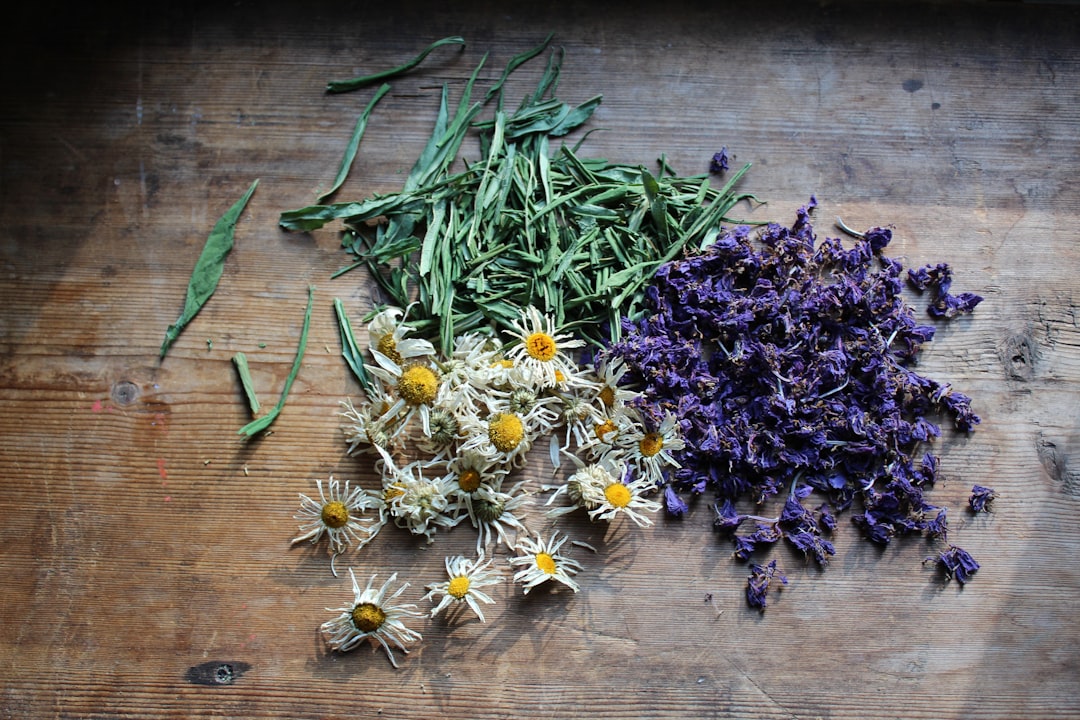
The practical implication: limits are form-dependent, not herb-dependent alone. USP distinguishes botanicals intended for preparations to which boiling water is added from those used without a heat step. A herb destined for a tea bag can carry a higher total count than the same herb destined for a capsule of raw powder, because the consumer applies a kill step in the first case and not in the second.
Alcohol tinctures sit in a different position again. Ethanol at typical extraction strengths is antimicrobial, so the finished liquid is a hostile environment for vegetative organisms. That does not make the incoming raw material exempt. Mould-damaged herb is still mould-damaged herb, and mycotoxins carry through extraction.
Brands selling into more than one market should also check destination requirements. Health Canada's expectations are not identical to those in the EU or the US, and the strictest applicable limit is the one your specification should reflect. Our overview of selling Canadian-made NHPs into the US market covers the crossover in more detail.
How the testing actually works
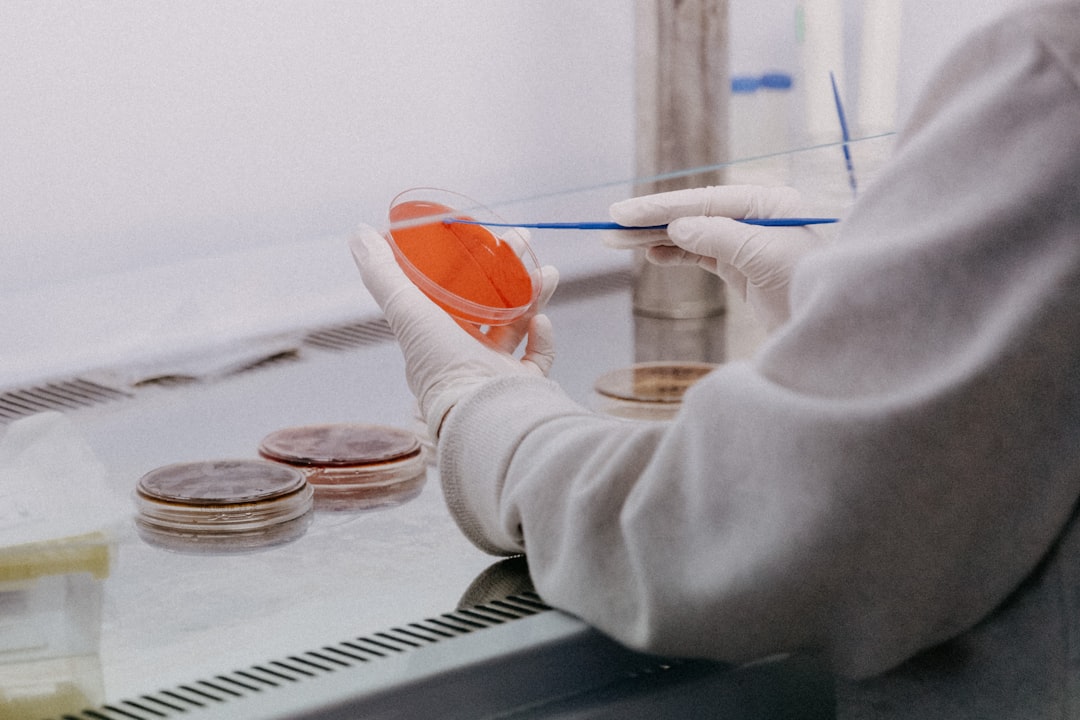
Two general approaches dominate. Plate-count methods grow whatever is present on a nutrient medium and count colonies after incubation. Rapid molecular methods amplify organism-specific DNA and return a presence or absence result far faster.
Plate counting remains the compendial reference. USP general chapters <61> and <62> describe microbial enumeration and tests for specified microorganisms, and chapters <2021> and <2022> apply the same logic specifically to nutritional and dietary supplement articles. A Canadian testing laboratory will normally cite one of these on the report.
Turnaround follows biology, not paperwork. Bacterial enumeration typically needs three to five days of incubation. Yeast and mould need five to seven. Salmonella confirmation can run a week once enrichment and confirmatory steps are included. As a result, microbial testing is frequently the longest single item on a raw-material release timeline, which is why it belongs in your schedule from the start rather than as a surprise at the end. Our post on lead times for herbal contract manufacturing in Canada puts those windows in context.
One more variable: suppressive treatments. Steam sterilisation, irradiation, and ethylene oxide are all used somewhere in the global botanical trade to bring counts down. Each carries consequences. Irradiation is restricted in some markets and disclosure obligations vary. Ethylene oxide residues are tightly controlled and have triggered recalls in Europe. Steam can degrade volatile oil content. Therefore treatment history is a fair question to ask a supplier, and the answer belongs on the qualification file rather than in an email thread.
What to verify on the certificate of analysis
A microbial section on a COA should let you reconstruct what was done without calling the lab. Run through five points.
This is where most brands run into trouble. A supplier-issued COA that simply states "passes microbial" transfers no useful information and no accountability. Furthermore, a COA from the original grower, dated eighteen months ago, tells you about the material as harvested rather than as it now sits after storage and transit.
Reading the rest of the document matters just as much. We covered the full structure in how to read a certificate of analysis, and the related specification questions in reading an herb specification sheet. Microbial data is one panel among several, alongside heavy-metal testing and identity confirmation.
Building microbial specs into supplier qualification
Testing catches a bad lot. Qualification reduces how often one arrives. The two work together, and brand owners who rely only on the first end up paying for rejected material and lost production slots.
A workable approach sets the specification first, in writing, before a purchase order goes out. State the applicable limits, the method, and the requirement that each shipment arrive with a batch-specific COA. Vague purchase terms produce vague documentation.
Then look at the material's history. Growing region, harvest season, drying method, and storage conditions all move microbial risk before anyone reaches for a plate. Root and rhizome material carries soil organisms. Leaf and flower material dried in humid conditions carries fungal load. Consequently, a spec that ignores plant part and origin will be either too loose for some materials or unnecessarily punitive for others.
The short version: microbial limits testing for herbal ingredients in Canada works best as one control inside a qualification programme, not as a gate you hope each shipment clears. Our post on supplier qualification and traceability sets out that programme in full.
If you are scoping a new product and want the raw-material specification settled before the first production run, our manufacturing services page outlines how a Canadian NHP engagement fits together, and the team is reachable through contact.
Published: August 18, 2026