
Importing herbal raw materials into Canada under CFIA and customs rules trips up more product launches than formulation ever does. A botanical shipment can clear a supplier's warehouse in Guangzhou or Sofia on schedule and still sit at a Canadian port for three weeks because a phytosanitary certificate named the wrong species. Brand owners tend to budget for ingredient cost and freight. Border compliance is the line item nobody prices until it bites.

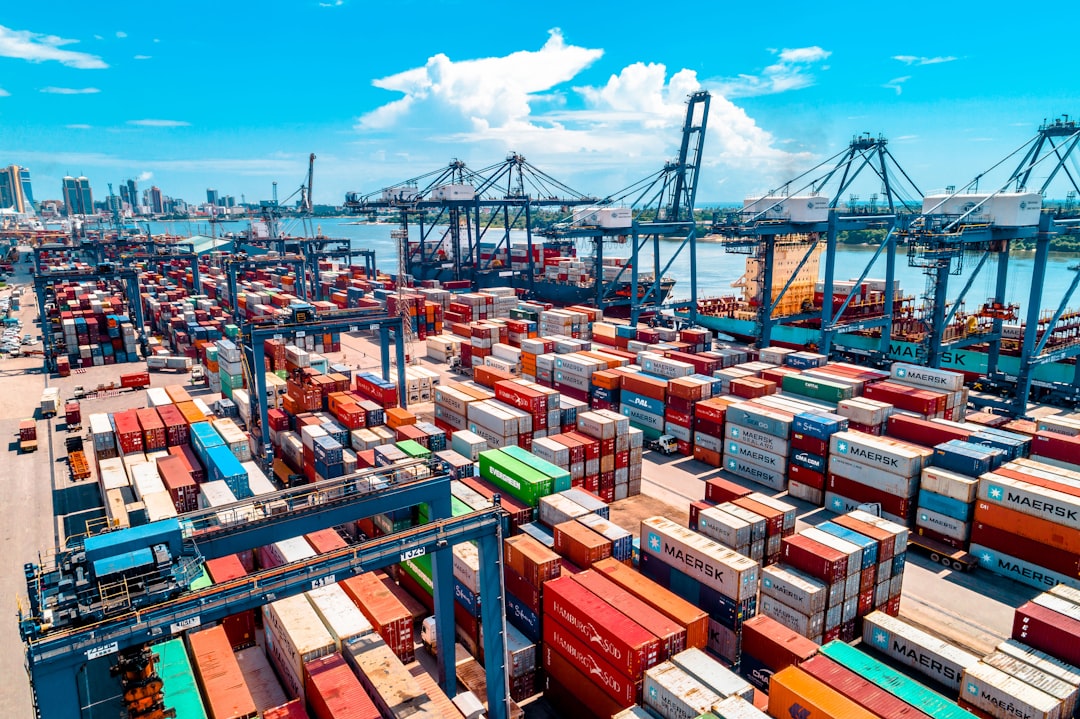
Here's what matters in practice: several federal regimes can apply to the same sack of dried root, and which ones apply depends on the plant, its origin, its processing state, and its intended use.
Key Takeaways
- Botanical imports can fall under CFIA plant health rules, CBSA customs requirements, and the NHP Regulations at the same time
- The AIRS database is the authoritative first check on whether a given plant and origin needs a permit or phytosanitary certificate
- Processing state matters: whole unprocessed plant material carries more plant-health risk than cut, dried, or extracted material
- CITES-listed and endangered species require permits regardless of how the material is processed
- Import records, COAs, and supplier documentation feed directly into NHP site licence obligations once the material is in your product
Which Agencies Regulate Importing Herbal Raw Materials Into Canada
Three federal bodies matter to a botanical import, and they answer different questions. The Canadian Food Inspection Agency governs plant health and food safety: it cares whether the material carries pests, pathogens, or prohibited plant parts. The Canada Border Services Agency handles tariff classification, valuation, and admissibility at the port. Health Canada's Natural and Non-prescription Health Products Directorate governs what happens once the material becomes a finished natural health product.
Worth understanding before you proceed: those mandates overlap without coordinating. CFIA can clear a shipment on plant-health grounds while CBSA holds it over an HS code dispute. Neither reviews whether the species is acceptable for the NHP monograph you plan to use.
The practical implication for anyone importing herbal raw materials into Canada under CFIA oversight is that clearance is not a single approval. It is a set of independent checks, each with its own paperwork, and the slowest one sets your timeline.
Most brand owners never handle this directly, because the importer of record is usually the manufacturer or a specialist broker. However, you own the consequences. If a shipment fails, your launch date moves, so understanding the mechanics is worth an afternoon of your time. A contract manufacturing partner that already imports at volume absorbs most of this complexity for you.
CFIA Plant Health Requirements and the AIRS Lookup
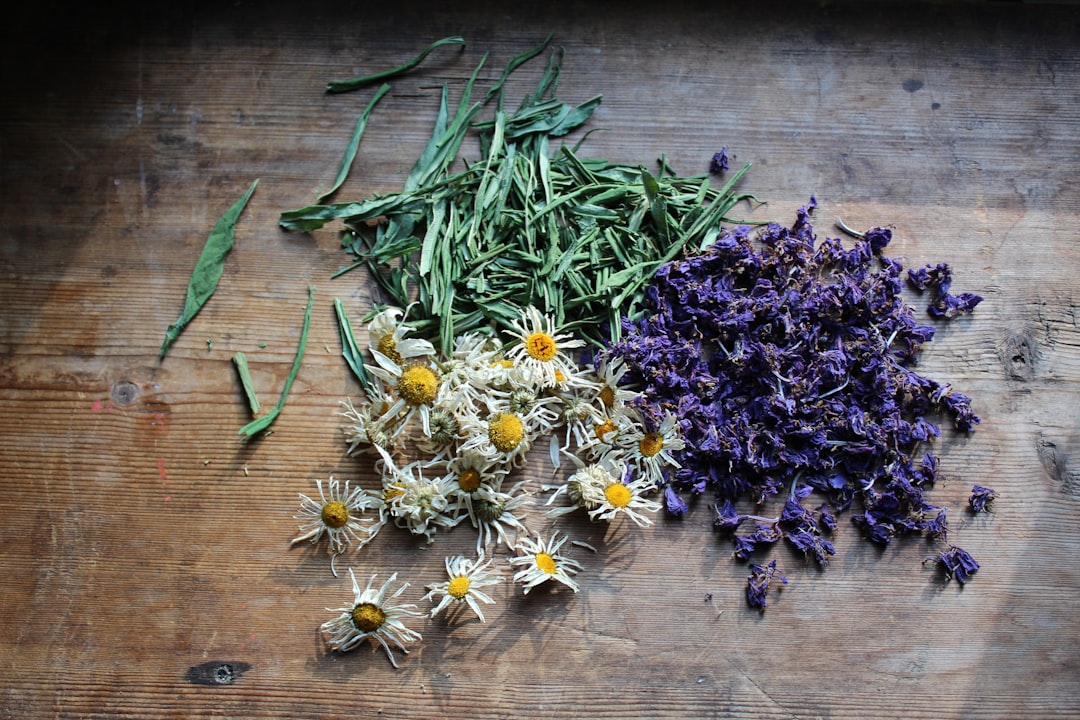
CFIA's plant protection program exists to keep pests and plant diseases out of Canadian agriculture. Consequently, the agency's requirements scale with biological risk rather than with commercial value. Whole seeds, unprocessed roots with soil, and live plant material sit at the high-risk end. Cut and sifted dried herb, powders, and finished extracts sit lower.
The authoritative starting point is the Automated Import Reference System, or AIRS. You query it by HS code, country of origin, end use, and miscellaneous qualifiers, and it returns the exact import requirements for that combination. AIRS will tell you whether the shipment needs an import permit, a phytosanitary certificate from the exporting country's national plant protection organization, additional declarations, or nothing at all.
This is where most brands run into trouble. AIRS answers are combination-specific. The same botanical from two different countries can carry different requirements, and a change in processing state can move the material into or out of a permit category. Never reuse last year's answer for a new supplier.
Furthermore, species identity on the documentation must match the material. A phytosanitary certificate listing a genus without the species, or naming a related species, gives the inspector grounds to refuse. Botanical nomenclature discipline at the supplier level is a border-compliance control, not an academic nicety, and it is one more reason to insist on proper authentication testing before material ships.
Customs Mechanics When Importing Herbal Raw Materials Into Canada
At the border, CBSA asks three questions: what is it, what is it worth, and who is responsible. Tariff classification under the Customs Tariff determines duty rate and often determines which other-government-department requirements attach. Dried botanicals commonly classify in Chapter 12, spices in Chapter 9, and extracts in Chapter 13, but the correct code depends on processing and intended use.
The short version: the HS code is not a clerical detail. It drives duty, it drives the AIRS lookup, and a misclassification found on audit years later comes back as a reassessment with interest.
You also need an importer of record with a business number and an import-export account, either your own or your manufacturer's. Commercial invoices, packing lists, certificates of origin where a trade agreement reduces duty, and any CFIA documents travel with the shipment. Canada requires importers to retain these records for six years.
In addition, CITES applies independently of everything above. Several commercially traded botanicals appear on CITES appendices, including some orchids, aloes, and slipper-orchid derived material, plus goldenseal and American ginseng in certain trade contexts. CITES-listed material moves only with valid export and import permits, and processing does not exempt it.
How CFIA Import Documentation Feeds NHP Compliance
Once the material clears the border it enters a regulated supply chain, and the documentation you collected at import becomes part of your quality file. Health Canada's site licence framework requires evidence of raw material identity, specifications, and supplier control. Import paperwork supports that evidence, but it does not replace it.
Specifically, a phytosanitary certificate confirms plant-health status at export. It says nothing about heavy metals, microbial load, pesticide residues, or adulteration. Those come from the certificate of analysis and from testing on receipt, and the specification you agreed with the supplier is what makes a COA meaningful.
Here's what that means in practice for anyone importing herbal raw materials into Canada with CFIA and CBSA obligations in play: build one document set per lot. Purchase order, commercial invoice, HS code and entry number, CFIA permits or certificates, supplier COA, and receiving records, all tied to the lot number that follows the material into production. When Health Canada asks how you know what is in your product, that set is the answer, and a mock recall exercise is where its gaps show up.
Finally, treat import as a qualification gate rather than a purchasing step. Suppliers who cannot produce clean, species-accurate export documentation reliably tend to have equally loose control over identity and contaminants. Our supplier qualification approach and the raw material specification you write are what keep border problems from becoming product problems, and brands that want the whole chain handled can talk to us about a manufacturing quote.
Published: August 11, 2026