
Sustainable herbal sourcing certifications Canada buyers increasingly ask about are no longer a nice-to-have; they are becoming a purchasing filter for retailers and end consumers alike. If you own an herbal brand, the certifications behind your raw materials now shape shelf placement, marketing claims, and reputational risk. This guide breaks down the certifications that matter most, what each one actually verifies, and how to evaluate them when qualifying suppliers. Note: Perfect Herbs can assist you in finding the right certifications, though most of the time, we don't carry them ourselves.

Key Takeaways
- Sustainable sourcing certifications verify different things: environmental impact, wild-harvest limits, labour standards, or organic inputs.
- FairWild is the leading standard specifically for wild-collected botanicals.
- Organic certification covers cultivation inputs, not wild-harvest sustainability.
- Rainforest Alliance and Fair Trade focus on ecosystems and labour, with limited botanical-species coverage.
- For a brand, the right mix of certifications depends on ingredients, target market, and claims you intend to make.
- Note: Perfect Herbs can assist you in finding the right certifications, though most of the time, we don't carry them ourselves.
Why Sustainable Herbal Sourcing Certifications Matter for Your Brand
Herbal ingredients sit in a fragile part of the supply chain. Many botanicals are still wild-harvested, and roughly one in five medicinal plant species faces pressure from overharvesting or habitat loss. For a brand owner, that translates into real commercial exposure: supply interruptions, price volatility, and claims risk.
Here's what that means in practice. When you build a product line on an ingredient with no traceable, sustainable sourcing behind it, you inherit its supply risk. Certifications give buyers a documented, third-party-verified way to reduce that risk before a batch is ever produced.
Sustainable herbal sourcing certifications Canada buyers rely on also protect your marketing. Regulators and retailers scrutinise sustainability claims closely, and an unsupported "ethically sourced" line on a label invites challenge. A recognised certification gives that claim a defensible basis. For the broader picture, see our guide to herbal ingredient sourcing and quality in Canada.
FairWild: The Standard for Wild-Collected Botanicals
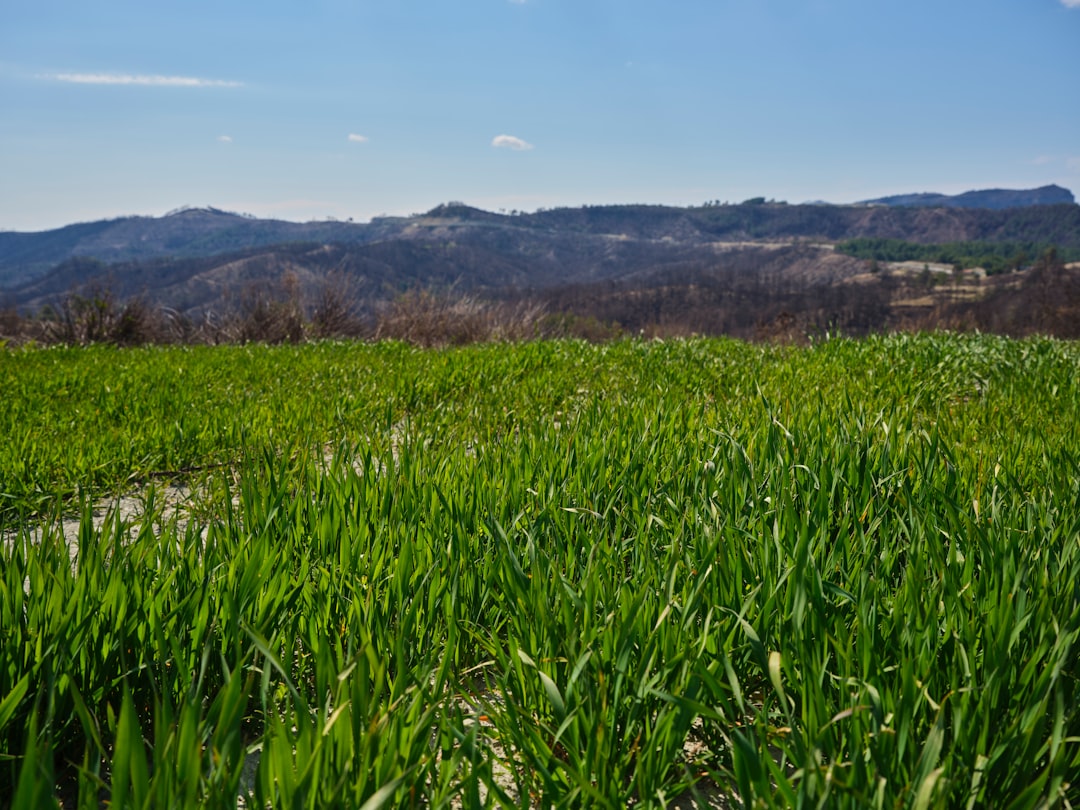
FairWild is the certification most directly relevant to medicinal plants. It was built specifically for wild-collected species, an area organic standards do not adequately address. The standard sets harvest limits based on the resource's ability to regenerate, requires management plans for each collection area, and adds fair-labour and fair-payment requirements for collectors.
Worth understanding before you proceed: many high-demand botanicals, from certain barks to roots and fungi, come predominantly from wild collection. For these ingredients, FairWild is often the only certification that speaks to genuine sustainability rather than just cultivation inputs.
The practical implication for a brand is coverage. FairWild-certified supply exists for a growing but still limited list of species, so availability may shape which ingredients you can make defensible sustainability claims about.
Organic Certification: What It Does and Doesn't Cover
Organic certification, whether Canada Organic, USDA, or EU equivalents, verifies how a crop is grown: no prohibited pesticides or synthetic fertilisers, and controlled inputs across the growing cycle. For cultivated botanicals, it is a meaningful quality and environmental signal, and Canadian retailers widely recognise the Canada Organic logo.
However, organic is not a sustainability certification for wild plants. A wild-harvested root can be certified organic simply because no prohibited substances touched it, while the harvest itself may still deplete a wild population. This is where most brands misread the label.
The short version: use organic to substantiate clean-cultivation claims, and pair it with FairWild or an equivalent when the ingredient is wild-collected. The two certifications answer different questions.
Rainforest Alliance, Fair Trade, and Other Standards
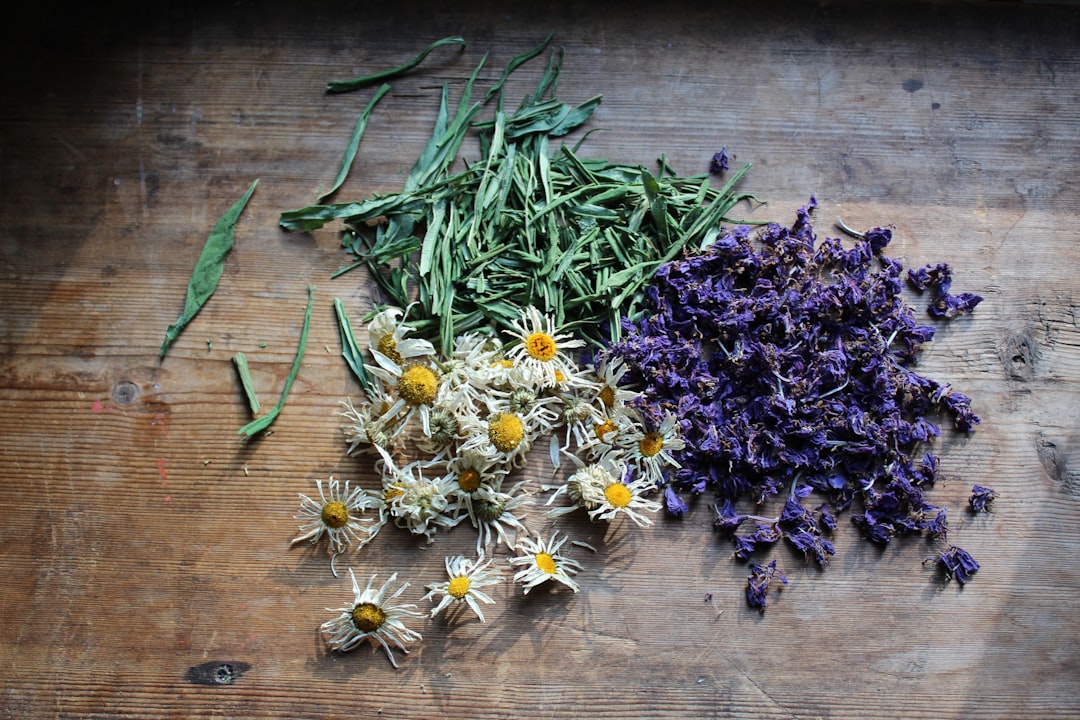
Beyond FairWild and organic, several broader standards appear on botanical supply chains. Rainforest Alliance focuses on ecosystem protection and farmer livelihoods, and is strongest for tropical crops; its botanical-species coverage is narrower than its coverage of commodities like cocoa or coffee. Fair Trade certifications emphasise labour standards, fair pricing, and community investment rather than harvest sustainability specifically.
Because these standards overlap only partially with medicinal-plant sustainability, treat them as complementary rather than substitutes. A supplier may hold Fair Trade certification for labour practices yet still need FairWild to verify wild-harvest limits.
When you evaluate a supplier, ask which certification applies to which specific ingredient. A blanket "we're certified sustainable" claim usually collapses under a species-by-species question. This kind of scrutiny is part of sound supplier qualification.
How to Choose the Right Sustainable Sourcing Certifications for Your Product Line
Start from your ingredients, not the logos. List each botanical in your formula, mark whether it is cultivated or wild-collected, and identify which certification actually verifies sustainability for that source. Cultivated herbs point toward organic; wild-collected herbs point toward FairWild.
Next, match certifications to your market and claims. If you intend to market on sustainability, choose certifications your target retailers recognise and that survive scrutiny for the exact species involved. Under-claiming is safer than a claim that a single ingredient cannot support.
Finally, build certification requirements into your supplier agreements and specification sheets so they are verified per batch, not assumed. As a result, sustainable herbal sourcing certifications become part of your quality system rather than a marketing afterthought. If you are planning a new line, mapping certification-aligned sourcing early makes the later contract manufacturing stage far smoother; get in touch to discuss your formula.
Note: Perfect Herbs can assist you in finding the right certifications, though most of the time, we don't carry them ourselves.
Published: July 8, 2026