Functional mushroom NHP regulations in Canada are catching up fast with a category that has exploded at retail, and brand owners who understand the licensing pathway are the ones getting reishi, lion's mane, and chaga products to market without costly delays. Demand is real, but so is the compliance work behind every legal claim on the label. This guide walks through how Health Canada classifies functional mushrooms, the NPN pathway, and the evidence you need before you launch.

Key Takeaways
- Health Canada regulates most functional mushroom products sold for a health benefit as Natural Health Products (NHPs), which need an NPN before sale.
- Health Canada's NNHPD reviews the medicinal ingredient, claim, and evidence together, so the species and part used must match the monograph.
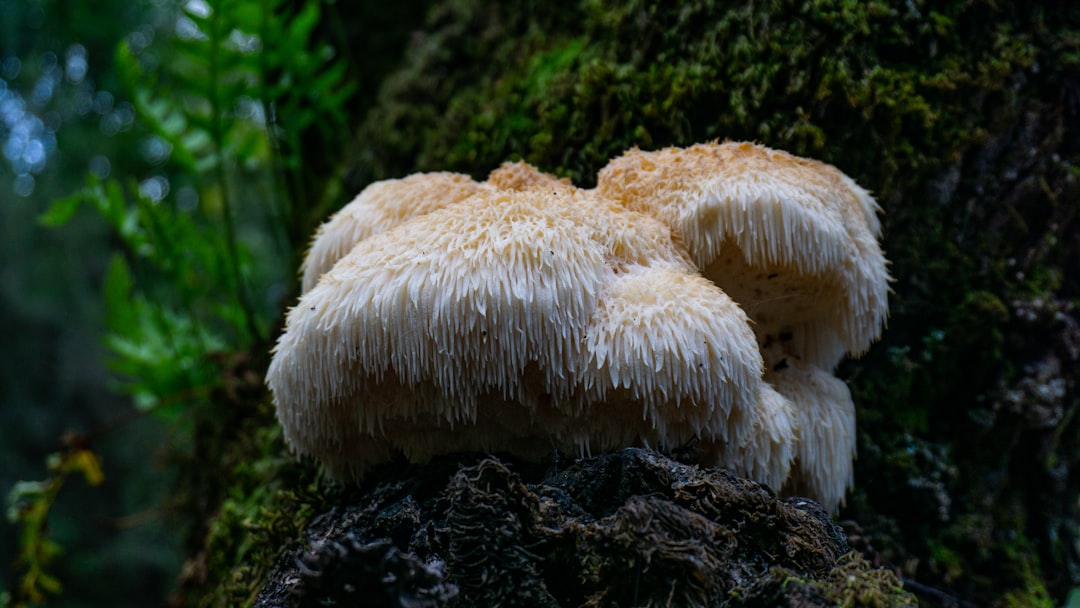
- Species identity matters: the label must name the correct Latin binomial and the part used (fruiting body vs mycelium).
- Acceptable evidence must back every claim, whether a Health Canada monograph or studies you submit.
- Producing a compliant NHP requires a licensed manufacturer with a valid site licence.
How Functional Mushroom NHP Regulations Classify These Products
Under functional mushroom NHP regulations in Canada, a mushroom product sold with a health claim almost always falls under the Natural Health Products Regulations, which the Natural and Non-prescription Health Products Directorate (NNHPD) administers. The trigger is intent: if you market reishi for stress or lion's mane for cognitive support, you are making a health claim, and that claim requires a product licence.
Here's what that means in practice: a plain culinary mushroom sold as food sits under food regulations, but the moment you state a benefit, it crosses into NHP territory. The distinction is not about the ingredient itself, it is about how you position and label it.
The practical implication for brand owners is that classification should be settled before formulation, not after. Getting it wrong means relabelling, reformulating, or pulling a product. For the broader regulatory picture, our overview of Health Canada NHP compliance covers the framework these mushroom rules sit inside.
The NPN Pathway for Functional Mushroom Products
Every compliant functional mushroom NHP needs a Natural Product Number (NPN) before it can be legally sold in Canada. To get one, a company submits a Product Licence Application that specifies the medicinal ingredient, the source material, the recommended use, and the supporting evidence.
For many common mushrooms, Health Canada publishes ingredient monographs that pre-define acceptable claims, doses, and specifications. Building to a monograph is the fastest route, because it lets you file against terms Health Canada has already accepted. When no monograph fits, or your claim goes beyond it, you file a non-monograph submission with your own evidence, which takes longer to review.
Worth understanding before you proceed: the species and the part used must match the monograph exactly. A monograph covering the fruiting body of Ganoderma lucidum does not automatically extend to a mycelium-on-grain product. The step-by-step of this filing is covered in our guide to the NHP product licence application process.
Evidence and Species Rules Under Functional Mushroom NHP Regulations
Functional mushroom NHP regulations in Canada tie every claim to acceptable evidence. For monograph-based claims, the monograph itself supplies the evidence standard. For claims outside a monograph, a brand must submit references, whether traditional-use citations or clinical data, that satisfy the NNHPD's evidence tiers.
Species identity is where many mushroom products run into trouble. The label must state the correct Latin binomial and, critically, the part used. Fruiting body and mycelium differ in their constituent profiles, and a spec sheet that lists beta-glucan content is more meaningful than one that lists only crude polysaccharides, which can include starch from a grain substrate.
Here's the short version: the claim, the species, the part, and the evidence all have to agree. If the monograph says fruiting body and your ingredient is mycelium, the file fails. Aligning these details early saves months of back-and-forth with reviewers.
What Brand Owners Should Prepare Before Launch
Once you understand how functional mushroom NHP regulations in Canada work, the launch checklist becomes clear. First, confirm classification and choose a claim you can support, ideally one a monograph already covers. Second, lock down your ingredient specification, including species, part used, extraction ratio, and marker compound.
Third, the product needs a manufacturer that holds a valid Health Canada site licence and operates to GMP standards, because an NPN alone does not make a product compliant when a facility outside GMP compliance produces it. This is where a contract manufacturer earns its place: matching your formulation to monograph-eligible specifications from the start.
As a Canadian herbal manufacturer, Perfect Herbs helps brand owners align mushroom formulations with the specifications these applications require. If you are planning a functional mushroom line, our manufacturing services and quote request are the place to start.
Published: July 13, 2026