
Herbal product line manufacturing looks simple on a whiteboard: take the SKU that sells, add three more, and watch revenue multiply. In practice, every new SKU adds its own minimum order, its own licence, its own label and its own inventory risk. Brands that expand well treat the line as a system, not a stack of separate products.

This guide walks through the operational decisions that matter when you move from a single hero product to a multi-SKU range. It covers timing, shared ingredients and components, MOQ economics, regulatory workload and launch sequencing.
Key Takeaways
- Expand only once your first SKU shows repeat purchase, not just a strong launch month.
- Shared botanicals, bottle sizes and closures lower cost and simplify scheduling across a line.
- Each SKU carries its own MOQ, setup cost and changeover, so the economics change with every addition.
- In Canada, every distinct formula needs its own product licence and compliant bilingual label.
- Staggered launches protect cash flow and give you real sell-through data before the next SKU.
When to Expand Into Herbal Product Line Manufacturing
The right time to add SKUs is rarely the moment your first product takes off. A strong launch month can reflect novelty, promotion or a single wholesale order. Instead, look for steady reorders from existing customers over at least two or three production cycles.
Here's what that means in practice: your first SKU should be predictable before you ask a manufacturer to schedule more. Predictable demand lets you forecast raw materials, which in turn keeps lead times and per-unit cost under control. It also gives you margin data you can trust when you price the next products.
Worth understanding before you proceed: retailers often ask for a range, not a single item. So line expansion is sometimes a distribution requirement, not just a growth goal. Even then, the same test applies. If the hero SKU cannot hold its shelf space alone, adding siblings rarely fixes the problem.
Designing a Line Around Shared Ingredients and Components
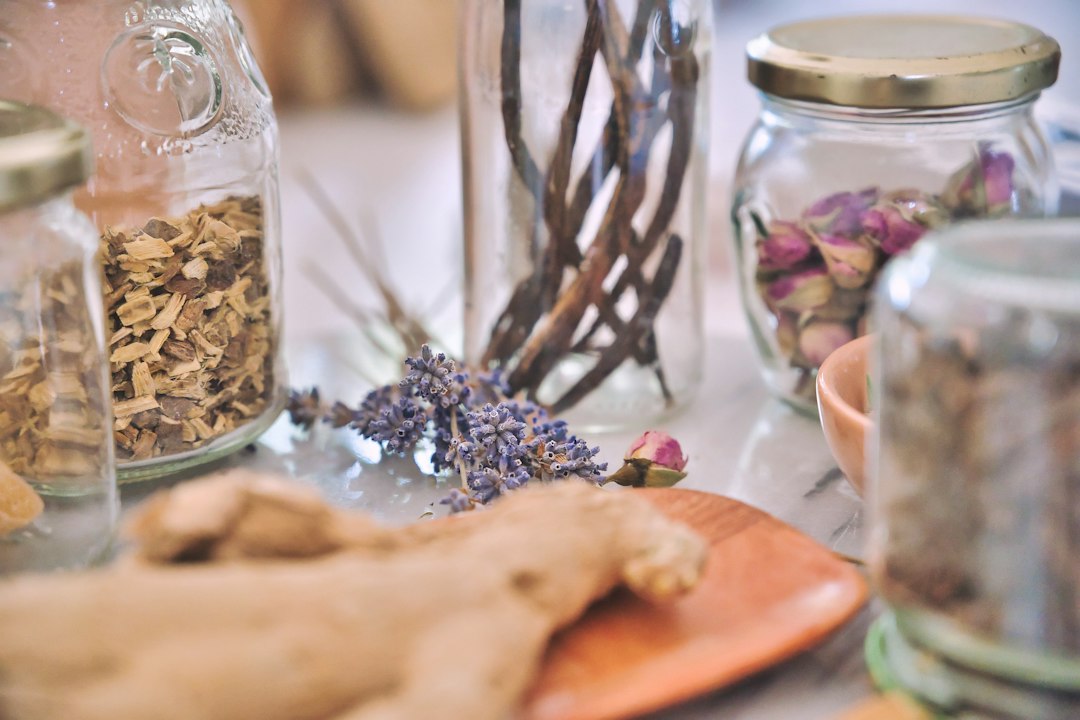
The cheapest SKU to add is the one that reuses what you already buy. For example, a line built on three or four core botanicals lets you order larger raw material lots. Larger lots usually mean better pricing, fewer supplier qualifications and more consistent specifications across products.
Components work the same way. When every SKU uses the same bottle size, closure and label dimensions, you simplify purchasing and reduce the number of packaging MOQs you carry. As a result, a new product may only need new label artwork rather than a new round of component sourcing.
The practical implication: design the line on paper before you formulate. Map which botanicals, menstruum types and packaging each SKU needs. Then look for overlap you can build in deliberately. Our guide to buying wholesale bulk herbs for private label production covers how lot size affects consistency.
How MOQs and Changeovers Shape Herbal Product Line Manufacturing Costs
Every SKU in a range carries its own minimum order quantity. So a four-product line does not simply split one MOQ four ways. Instead, you usually meet four separate minimums, plus four sets of labels and any per-SKU setup fees in the quote.
Changeovers add another layer. Each time a production line switches formulas, it has to be cleared and cleaned before the next run. That time shows up somewhere in your pricing, often as a setup charge. Consequently, running several small SKUs costs more per unit than one larger run of a single product.
This is where most brands run into trouble. They launch a line at the minimum for every SKU, then discover that two products sell and two sit in the warehouse. A better approach is to weight the first order toward proven demand. For a deeper look at minimums, read Herbal Contract Manufacturing Minimum Orders, or use the tincture calculator to model formula costs.
Regulatory Workload Grows With Every SKU
In Canada, each distinct natural health product formula needs its own product licence and Natural Product Number. That means herbal product line manufacturing multiplies your regulatory work, not just your production schedule. A new strength, a new dose form or a changed ingredient list generally counts as a separate product.
Labels follow the same rule. Every SKU needs compliant bilingual labelling with its own recommended use, dose and cautions. Therefore, a line of five products means five sets of approved label text to manage, update and keep in sync with each licence.
The short version: budget time for licensing before you promise retailers a launch date. Health Canada's natural and non-prescription health products pages outline the framework. Our walkthrough of the NHP product licence application process also explains what each submission involves.
Sequencing Launches and Forecasting a Multi-SKU Range
Launching an entire range at once feels efficient, but it concentrates risk. A staggered rollout, one or two SKUs per quarter, lets each product earn its place with real sell-through data. It also spreads raw material purchases, licensing work and label printing across a longer window.
Forecasting gets harder as the line grows. For this reason, many brands track reorder rate and weeks of stock on hand per SKU, not just total revenue. Slow movers then become visible early, before they tie up cash in finished goods.
Finally, keep your manufacturer in the loop on the roadmap. A partner who knows your next two launches can plan raw material buys and production slots together. If you are planning herbal product line manufacturing for the year ahead, start with an overview of contract manufacturing options to map the sequence. You can also request a quote for a multi-SKU plan, or revisit the companion piece, Herbal Product Scale-Up From Pilot to Production.
Published: September 25, 2026