
Wholesale bulk herbs private label manufacturing runs on a different set of rules than buying a kilo of dried root for a dispensary shelf. At production scale, unit price barely decides whether your SKU ships on time. Lot size does. So does specification tolerance, and whether the same material will still exist for your second run.

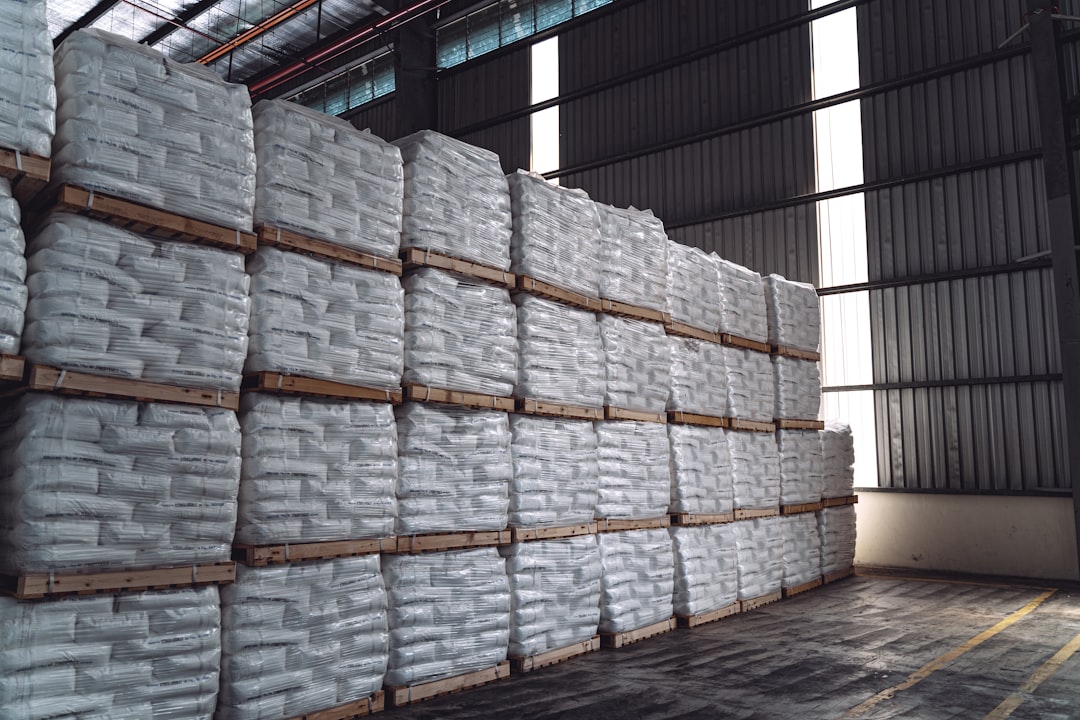
Most brand owners learn this the hard way, usually somewhere between the first successful batch and the reorder that cannot be matched. Here is what actually governs botanical procurement once you cross into commercial volume.
Key Takeaways
- Unit price is the least important variable in commercial botanical sourcing — lot consistency, availability, and specification tolerance matter more.
- MOQ tiers exist on the raw-material side as well as the finished-goods side, and the two rarely line up neatly.
- A specification sheet and a certificate of analysis are different documents serving different purposes. Ask for both.
- Botanical raw material varies by harvest, region, and season. Plan your formula so it tolerates that variance rather than fighting it.
- Sourcing through your contract manufacturer usually beats buying direct for a first or second production run.
What Changes When You Buy Wholesale Bulk Herbs at Production Scale
A practitioner ordering 500 g of dried nettle leaf buys a consumable. A brand owner ordering 200 kg for a private label run buys an input to a regulated manufacturing process. Suppliers treat those two transactions very differently.
The first practical change is documentation. At dispensary volume, a supplier might send you an invoice and nothing else. At production volume you need three things: a specification sheet, a lot-specific certificate of analysis, and a traceable record linking that lot to your finished batch. Health Canada's site licensing framework expects that chain. Your manufacturer will require it before the material enters production.
The second change is timing. Botanical raw material is agricultural. Consequently, availability follows harvest cycles rather than order cycles. A herb that shipped in six days last spring can carry a ten-week lead time in autumn.
Here's what that means in practice: wholesale bulk herbs private label manufacturing works on a procurement calendar, not a purchase order. Furthermore, the brands that hit their launch dates are the ones that build lead time into the plan rather than discovering it after the marketing campaign is booked.
The third change is variance. Two lots of the same species from one supplier can differ in moisture, particle size, marker compound concentration, and taste. Normal botanical behaviour, not supplier failure. You still have to design around it.
MOQ Tiers in Wholesale Bulk Herbs Private Label Manufacturing
Minimum order quantities operate at two levels, and brand owners regularly conflate them. Your contract manufacturer quotes a finished-goods MOQ. The botanical supplier upstream imposes a separate raw-material MOQ. Different economics drive each one, so the two rarely align.
Finished-goods MOQ reflects setup time, changeover, and batch record overhead. Raw-material MOQ reflects how the supplier breaks bulk. A herb might ship in 25 kg cartons, so a request for 8 kg either gets refused or costs the same as 25.
The practical implication: your effective minimum is whichever number is larger. If your finished-goods run only needs 6 kg of a herb that ships in 25 kg units, you are paying for 25 kg and storing the remainder, or you are paying a break-bulk premium.
Tiered pricing compounds this. Most botanical suppliers price in bands, and the spread between smallest and largest can exceed 40% on one species. However, chasing the cheapest band on a first run is usually a mistake. You do not yet know whether the formula survives its first market test, and dried botanical material has a finite shelf life.
Our post on minimum order quantities covers the finished-goods side in more depth. For the raw-material side, the useful question to ask a supplier is not "what is your minimum?" but "what are your break points, and what does each one cost?"
Lot Consistency in Wholesale Bulk Herbs Private Label Manufacturing
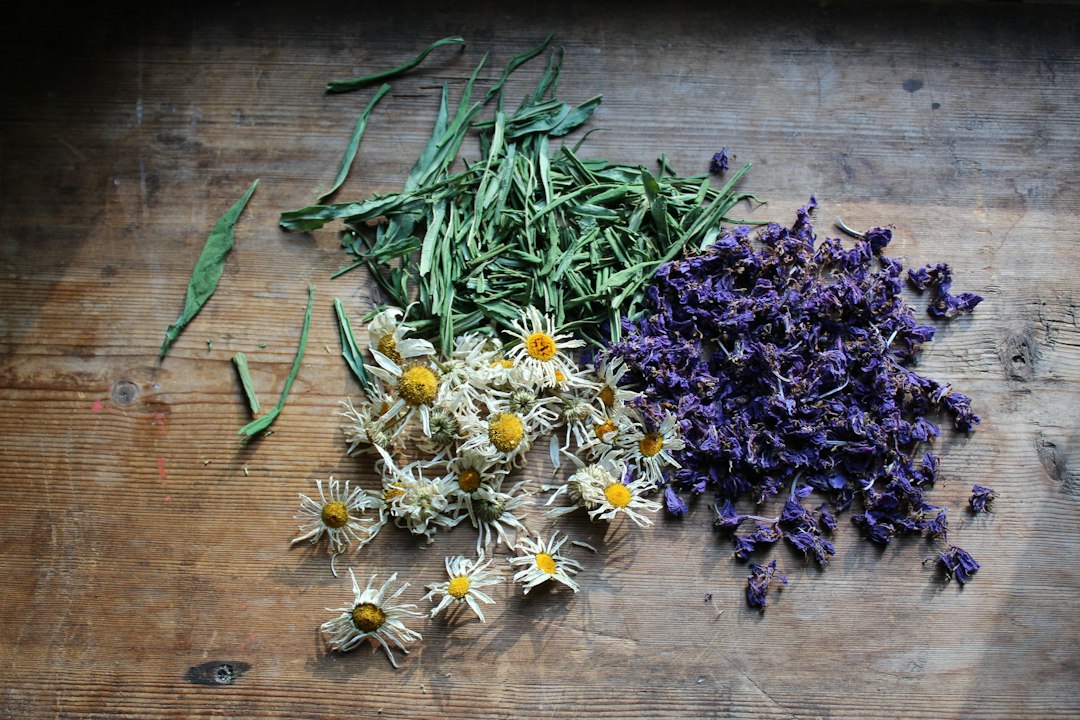
This is where most brands run into trouble on the reorder rather than the first run. Your first batch came out at a particular colour, viscosity, and taste. Your customers now expect that. The second batch draws on a different harvest lot, and it does not match.
Botanical variance is not a defect. Growing region, altitude, harvest timing, drying method, and storage all shift the constituent profile. A root from a dry season concentrates differently than the same species from a wet one.
Three strategies reduce the exposure. First, reserve material: commit to enough of a single lot to cover several production runs, accepting the carrying cost in exchange for consistency. Second, write tolerances into your specification instead of describing an ideal. Define the acceptable range for moisture, particle size, and any marker compound that matters. Third, formulate with headroom, so a 15% potency swing in one ingredient does not visibly change the finished product.
Single-ingredient products carry the most risk, because nothing buffers the variance. Multi-herb formulas forgive more. That is one reason experienced brands often launch with a blend.
Worth understanding before you proceed: traceability makes all of this manageable. If you can identify which lot went into which batch, you can diagnose a mismatch in a day. Our guide to supplier qualification and traceability sets out how that record is built.
Wholesale Bulk Herbs Documentation: Spec Sheets and COAs
Two documents govern commercial botanical purchases, and they answer different questions. The specification sheet describes what the material should be. The certificate of analysis reports what a particular lot actually tested as. You need both, and you need them to correspond.
A usable specification names eight things: Latin species, plant part, processing form, country of origin, moisture range, particle size or cut, microbial limits, and heavy-metal limits. Notably, a spec that omits plant part or species authority is not a spec. Nettle leaf and nettle root are different products with different regulatory positions.
The certificate of analysis should reference a specific lot number, list the tests performed with actual results rather than pass/fail marks, name the testing method, and carry a date. As a result, a COA that says only "conforms" tells you almost nothing.
Here's the short version: ask for the spec before you order and the COA before the material is released into production. We cover the document detail in our explainers on reading a raw material specification sheet and reading a certificate of analysis.
Request one more document for anything you plan to license as a natural health product: confirmation of botanical identity by an authentication method, not visual inspection alone. Health Canada's natural health products framework sets the expectations that flow down to raw material identity.
Buying Wholesale Bulk Herbs Direct or Through Your Private Label Manufacturer
Brand owners weighing wholesale bulk herbs private label manufacturing eventually face this decision: buy the botanicals yourself and supply them, or let the manufacturer source them.
Buying direct looks cheaper on a spreadsheet. You see the raw material cost without a handling margin, and you control the supplier relationship. In addition, for a brand with a genuine sourcing story to tell, direct buying is sometimes the whole point.
The costs are less visible. You absorb storage, insurance, and shelf-life risk on material you cannot use yet. You own the qualification work on every supplier. Moreover, if a lot fails on receipt, you already booked the production slot, so the delay is yours.
Sourcing through the manufacturer moves that burden. An established contract manufacturer already holds qualified suppliers. It already buys at volume bands a single brand cannot reach. It already carries the documentation infrastructure the regulator expects.
The practical recommendation for a first or second run: source through your manufacturer. Revisit the question once the SKU has a sales history and you know which ingredients justify a dedicated supply relationship. For a live view of what is already stocked and available at volume, the Perfect Herbs catalogue is the fastest place to start.
Planning Your Procurement Before You Commit to a Launch Date
Sequence matters more than speed. Lock the formula, then price the raw material, then set the launch date. Brands that reverse that order routinely discover a twelve-week lead time on a signature ingredient.
Build a shortlist of substitutions before you need one. If your formula leans on a single species with a narrow supply base, decide in advance what you would accept instead. Check whether the label and licence can accommodate it. Supply interruptions happen routinely; our post on sourcing through shortages covers the contingency side.
Finally, treat the first production run as information rather than inventory. A small first batch shows you how the material behaves, how the formula holds, and what the timeline really is. Consequently, you buy your second run with data instead of optimism.
Wholesale bulk herbs private label manufacturing rewards brands that plan procurement as seriously as they plan branding. If you are working out what your formula needs at volume, the manufacturing services page sets out how production is structured, and you can request a quote with your formula and target run size to get real numbers.
Published: September 18, 2026