
The herbal supplement manufacturing process looks simple from the outside: herbs go in, bottles come out. In practice, a GMP-compliant run moves through a fixed sequence of controlled stages, and each one produces a record. If you're a brand owner, knowing that sequence helps you read a quote, plan a launch date and ask your manufacturer the right questions. This guide walks through each stage in general terms, from the day raw material arrives to the day finished goods are released for sale.

Key Takeaways
- Every GMP-compliant run follows the same broad order: receive, quarantine, test, release, make, check, pack, test, release.
- Raw materials can't enter production until they pass identity and quality checks against a written specification.
- In-process checks catch problems during the run, before they become a rejected batch.
- Finished goods need a separate quality release before a single unit ships.
- Most launch delays come from the material-release and final-release stages, not from production itself.
Why the Herbal Supplement Manufacturing Process Follows a Fixed Order
In Canada, herbal supplements sold as natural health products fall under the Natural Health Products Regulations. Part 3 of those regulations sets out Good Manufacturing Practices, and Health Canada's GMP guidance explains how sites should meet them. Together, they shape the herbal supplement manufacturing process for every licensed site.
The logic is simple. Each stage must finish, and pass, before the next one starts. As a result, a problem gets caught at the earliest point possible, when it's cheapest to fix.
Here's what that means in practice: the sequence rarely changes between manufacturers, even if the equipment and timing do. So once you understand the order, you can compare proposals from different partners on equal terms. For the regulatory background, see our overview of who needs an NHP site licence.
Stage 1 of the Herbal Supplement Process: Raw Material Release
The run starts long before production. First, a manufacturer receives the raw herbs, extracts and excipients. Staff check the delivery against the purchase order and the supplier's paperwork. Then the material goes into quarantine, physically or electronically separated from released stock.
Next comes testing against a written specification. Typically, this covers identity, so the material really is the species and plant part on the label. It also covers quality limits such as microbial counts, heavy metals and, where relevant, pesticide residues. Many sites rely partly on the supplier's certificate of analysis, then confirm identity themselves.
This is where most brands run into trouble. If a lot fails, the run waits until a replacement arrives and passes. For that reason, the material-release stage drives more launch delays than production does. Our guide to sourcing bulk herbs at production scale covers how specs and lot consistency affect this step.
Stage 2: Dispensing and Manufacture
Once materials are released, production can begin. First, operators weigh and dispense each ingredient against the master formula. A second person usually verifies each weight, and the batch record captures both signatures.
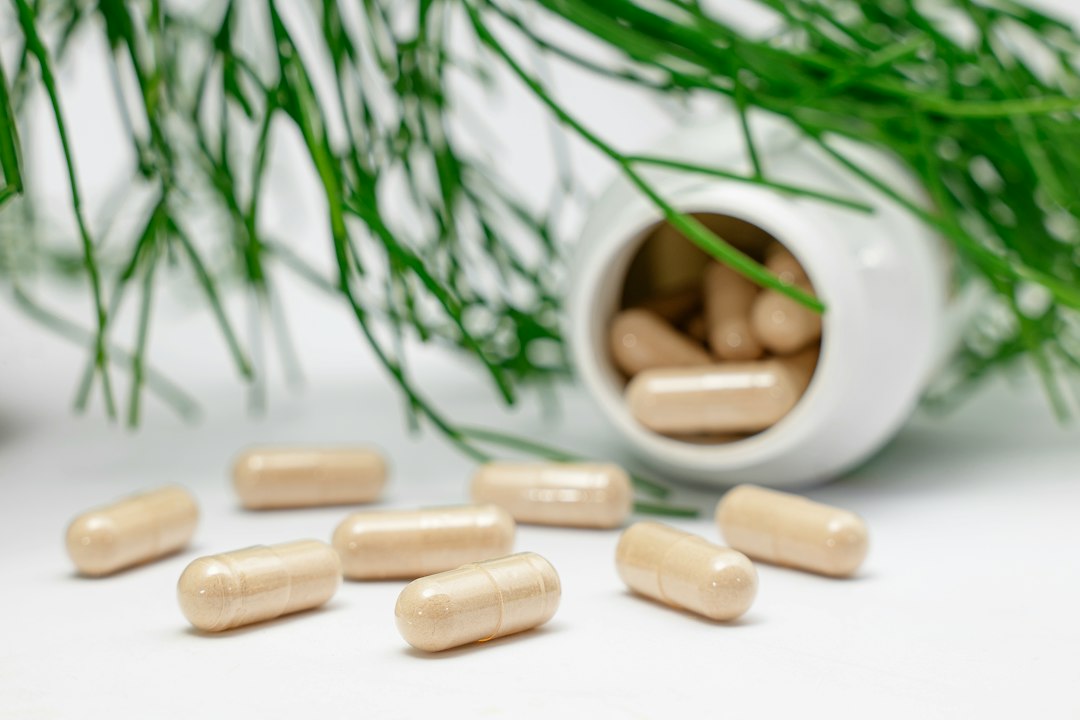
The manufacturing step itself depends on the format. A tincture run means extracting the herb in a solvent of a set strength. Capsules, by contrast, call for blending and encapsulation. Teas need milling, blending and portioning. Each format follows its own master production record, and the batch record tracks every step against it.
The short version: the format you choose changes the equipment and timing, but not the control logic. If you're still deciding on a format, our comparison of tincture vs glycerite vs capsule lays out the tradeoffs.
Stage 3: In-Process Checks, Filling and Packaging
In-process checks happen during the run, not after it. For example, operators might check blend uniformity, fill volume, capsule weight or cap torque at set intervals. If a check falls outside its limit, production pauses until someone investigates.
Filling and packaging follow. Here, line clearance matters a great deal. Before each run, staff confirm that no labels, bottles or product from the previous job remain on the line. As a result, the wrong label never ends up on your product.
Labels also get checked against the approved artwork and the product licence. Specifically, the lot number and expiry date must match the batch record. These details feed directly into traceability if a recall ever becomes necessary.
Stage 4 of the Supplement Manufacturing Process: Final Release
Finished product goes back into quarantine after packaging. Then it's tested against the finished-product specification. Typically, that includes appearance, identity and microbial limits, plus any other tests the product licence requires.
After testing, quality assurance reviews the complete batch record. Reviewers look for missing entries, deviations and any out-of-limit results. Only when the record is complete and every result passes does QA release the batch for sale.
Worth understanding before you proceed: this review takes time, and it should. A rushed release is a compliance risk for the licence holder, which is often you. For more on what to expect at this step, read our post on what a contract manufacturing agreement should cover, including who owns the batch records.
What the Herbal Supplement Manufacturing Process Means for Your Brand
Knowing the herbal supplement manufacturing process changes how you plan a launch. First, build buffer time around material release and final release, since those stages carry the most risk of delay. Second, give your manufacturer complete specifications early, because vague specs slow down testing at both ends.
Also, ask practical questions before you sign. Which tests run at raw material stage, and which at finished product? Who reviews the batch record? How long does release usually take? A good partner answers these clearly.
Finally, remember that the process protects you. Under the NHP framework, the product licence holder answers for the product on the shelf. So a disciplined, well-documented run is the best protection your brand has. If you're ready to map out a project, explore our manufacturing services or get in touch to talk through your formula.
Published: October 9, 2026