
A herbal contract manufacturing agreement is the document you will actually rely on when something goes wrong, so it deserves more attention than the quote. Most brand owners spend weeks on formulation, samples and pricing. Then they sign a short supply agreement in an afternoon. This guide walks through the clauses that matter most for a Canadian natural health product (NHP) brand, and why each one protects your product, your licence and your margin.


Note: this is general business information, not legal advice. Have a lawyer review any agreement before you sign it.
Key Takeaways
- Most brands need two documents: a commercial supply agreement and a separate quality agreement.
- Specifications should be attached as a schedule, so both sides test against the same written standard.
- Change control stops silent swaps of suppliers, ingredients or packaging that could affect your licence.
- Rejection, returns and liability terms decide who pays when a batch fails.
- Ownership of batch records, formulas and artwork determines how easily you can switch manufacturers later.
Why a Herbal Contract Manufacturing Agreement Matters
A quote tells you what a batch costs. However, it says almost nothing about what happens when an ingredient is late, a lot fails a test, or a label change is needed. A herbal contract manufacturing agreement fills that gap. It turns verbal assumptions into written obligations that both sides can point to.
Here's what that means in practice: without a written agreement, every dispute becomes a negotiation from scratch. As a result, small problems take longer to solve and cost more. With clear terms, the answer is usually already on paper.
The agreement also sits at the end of a longer process. If you are still comparing partners, start with our guide on questions to ask a herbal contract manufacturer. Then review how a manufacturing quote is built and run a prototype batch before you commit.
Supply vs Quality: Two Parts of a Herbal Contract Manufacturing Agreement
Most contract relationships in the NHP space use two documents. The supply agreement covers the commercial side: pricing, minimum order quantities, forecasts, lead times, payment terms and termination. The quality agreement covers the regulated side: who does what under Good Manufacturing Practices (GMP).
Why split them? First, different people own them. Your finance or operations lead negotiates the commercial terms, while your quality lead owns the quality terms. Second, quality agreements change more often, for example when a new test method or a new supplier is added.
The short version: if you only have one document, check that it covers both areas. Health Canada expects every party with a licensed role to understand its GMP responsibilities. The Health Canada natural health products hub is the best starting point for the regulatory framework behind those roles.
Specifications and Change Control in a Herbal Contract Manufacturing Agreement
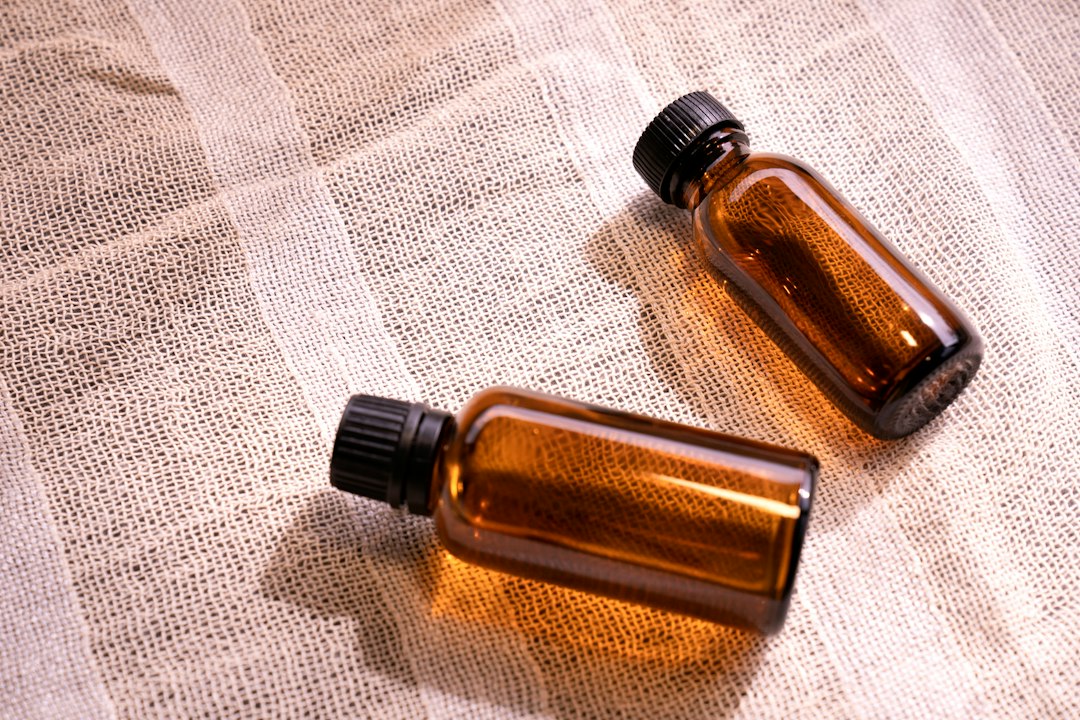
The core of any herbal contract manufacturing agreement is the specification. It should define each finished product in detail: ingredients and their identity, extraction ratio, alcohol or glycerin content, fill volume, container and closure, and labelling. In addition, it should list the tests a batch must pass and the acceptable limits for each.
Attach the specification as a schedule rather than writing it into the main contract. That way, you can update a spec without renegotiating the whole agreement.
Next, the agreement should set out a clear responsibility split. For example, who sources raw materials, who approves suppliers, who holds the product licence, who reviews label copy, and who releases the finished batch. A simple responsibility table removes most of the grey areas.
This is where most brands run into trouble: change control. Your agreement should require written notice and approval before anyone changes an ingredient supplier, a test method, a packaging component or a manufacturing site. Some of those changes can affect your product licence. Our guide to NHP licence amendments explains when a change needs a filing.
Rejection, Returns, Recalls and Liability
Batches occasionally fail. So the agreement needs a clear path for what happens next. It should set a review window after delivery, for example 30 days, during which you can reject product that does not meet the specification.
It should also answer three practical questions. Who decides whether a batch is out of spec? Who pays for replacement product, testing and freight? And what happens if the two sides disagree, for instance through an independent lab test?
Recalls deserve their own clause. The agreement should name who leads a recall, who notifies Health Canada, and how costs are shared when the root cause is clear. Our NHP recall procedure guide covers the regulatory steps.
Finally, review liability and insurance terms carefully. Most agreements cap liability and require each party to carry product liability insurance. Check the limits against your sales volume, and ask your broker whether the coverage fits your product category.
Ownership, Confidentiality and Termination
Ownership terms decide how portable your product is. Your herbal contract manufacturing agreement should state that you own your formula, your brand, your artwork and your product licence. It should also give you access to batch records and certificates of analysis for your product for a defined period.
Confidentiality goes hand in hand with ownership. Our post on herbal formula IP protection covers that clause in depth.
Termination and transfer terms matter more than most brands expect. A good agreement sets a notice period, explains what happens to open orders and leftover raw materials, and commits both sides to an orderly handover. As a result, switching partners later is a planned project rather than a crisis. See our guide to switching herbal contract manufacturers for that process.
Before You Sign a Herbal Contract Manufacturing Agreement
Read the agreement against your actual operating plan. For example, check that minimum orders match your forecast, that lead times match your launch date, and that payment terms match your cash flow. Then ask your lawyer and your quality lead to review it separately, since each will catch different risks.
A clear agreement protects both sides and makes the working relationship easier. If you are planning a new product, learn about our manufacturing services or contact us to start the conversation.
Published: October 8, 2026