
Herbal supplement inventory planning decides whether your brand ships every order or spends a month apologizing for empty shelves. Once a product is selling, the recurring question is simple: when do you reorder, and how much? However, the answer depends on several moving parts. Lead times, minimum orders and shelf life all pull in different directions. This guide ties them into one practical method you can run with your contract manufacturer every month.


Key Takeaways
- Herbal supplement inventory planning rests on four numbers: sales rate, total lead time, safety stock and reorder point.
- Your lead time includes raw material sourcing, production, release and freight, not just the time on the production floor.
- Safety stock covers the gap between your average week and your busiest week, so volatile SKUs need more of it.
- Shelf life and retailer expiry requirements set a ceiling on how much you should order at once.
- A short monthly forecast shared with your manufacturer turns reorders into scheduled runs instead of rush jobs.
Why Herbal Supplement Inventory Planning Matters After Launch
Most brands plan their first production run carefully. After that, reorders often happen by instinct. Someone notices the shelf looks thin, so they email the manufacturer. That approach works until a retailer places a large order or a raw material goes short.
Here's what that means in practice: a stockout costs more than one lost sale. Retailers may delist a product that keeps going out of stock. Online, your listing can drop in search ranking while it shows as unavailable. In addition, customers on a daily protocol will often switch brands rather than wait.
Overstock carries its own cost. Cash sits in cartons instead of marketing. Furthermore, herbal products carry an expiry date, so excess stock can turn into a write-off. Good herbal supplement inventory planning keeps you between those two failure points.
The Four Numbers Behind Herbal Supplement Inventory Planning
You don't need forecasting software to start. Instead, you need four numbers for each SKU, updated monthly.
1. Sales rate. Use average units sold per week over the last 8 to 12 weeks. Also note your busiest week in that period, because you'll need it for safety stock.
2. Total lead time. This is the time from placing a purchase order to having sellable stock in your warehouse. It includes raw material sourcing, production, release, labelling and freight. Our guide to herbal contract manufacturing lead times in Canada breaks down each stage.
3. Safety stock. This buffer protects you when sales spike or a run takes longer than planned.
4. Reorder point. When your on-hand stock falls to this level, you place the next order. Everything in herbal supplement inventory planning flows from these four figures.
Setting Safety Stock and a Reorder Point
Here's a worked example. Say a tincture sells 100 bottles a week on average, and its busiest recent week hit 140. Your total lead time averages 6 weeks, but it has stretched to 8 when an ingredient ran short.
A simple method sets safety stock at two weeks of average sales, so 200 bottles. Your reorder point then equals expected demand during the lead time plus that buffer. That gives 600 plus 200, or 800 bottles. As a result, you place the next purchase order the week stock drops to 800.
For volatile SKUs, use a stricter formula. Multiply your busiest week by your longest lead time, then subtract average weekly sales times average lead time. In this example, that's 1,120 minus 600, so 520 bottles of safety stock. That is more cash tied up, but it suits a hero product or a seasonal line.
The short version: steady sellers get a small buffer, while unpredictable or high-value SKUs get a larger one.
Expiry Risk: The Ceiling on Order Size
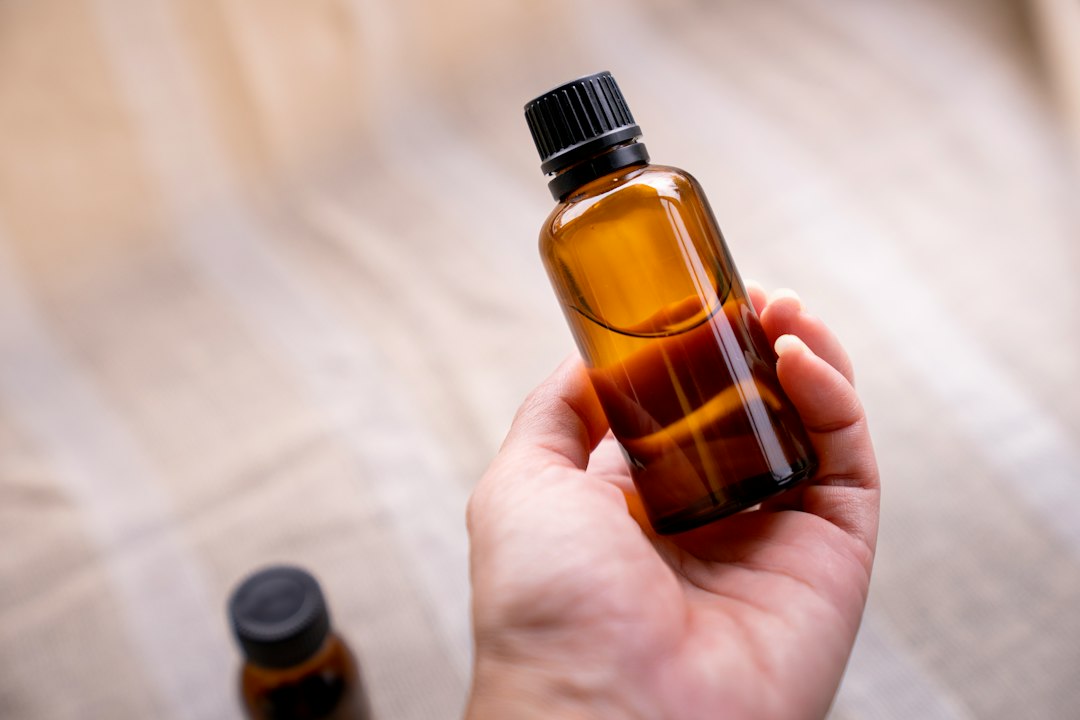
Lead time and safety stock tell you when to order. Shelf life tells you how much is too much. Canada's Natural Health Products Regulations require an expiry date on the label, so every unit you hold has a clock running.
Retailers and distributors add another limit. Many ask for a minimum amount of remaining shelf life when stock arrives at their warehouse. For example, if a product carries a 36-month expiry and a buyer wants 12 months remaining, your real selling window is closer to 24 months. Time in your own warehouse comes out of that window too.
A practical rule is to cap each order at the volume you can sell well inside that window. Many brands aim for 4 to 9 months of cover per run. For stability factors behind those dates, see herbal tincture shelf life and stability.
How MOQs and Batch Sizes Shape Your Reorder Quantity
Your reorder quantity has a floor as well as a ceiling. The floor comes from your manufacturer's minimum order and batch size. If one batch yields 2,000 bottles but you sell 100 a week, one run gives you about 20 weeks of cover.
That is usually fine for a steady seller. However, a slow SKU might need a year to clear the same batch. In that case, a smaller batch at a higher unit cost can beat a cheaper run that partly expires. The guide to herbal contract manufacturing minimum orders covers that trade-off in detail.
Worth understanding before you proceed: packaging has its own minimums. Printed labels and cartons often come in larger runs than the liquid itself. So, plan component reorders on a separate, longer cycle than finished product.
Building a Forecasting Routine With Your Manufacturer
Herbal supplement inventory planning works best as a shared routine, not a solo spreadsheet. A contract manufacturer schedules production weeks ahead. Therefore, the earlier they see your demand, the easier it is to hold a slot for you.
A simple monthly rhythm covers most brands. First, update the four numbers for each SKU. Next, send your manufacturer a rolling three-month forecast with firm orders for the first month. Then, flag known spikes, such as a retail launch or a promotion, as soon as you confirm them.
If you run several products, group reorders where you can, because shared ingredients and changeovers affect scheduling. Our post on scaling from one SKU to a full product line explains how a wider range changes production planning.
Putting Herbal Supplement Inventory Planning Into Practice
Strong herbal supplement inventory planning comes down to a few habits. Track sales weekly, know your full lead time, and hold a buffer sized to each SKU's risk. Also, let shelf life cap your order size and let batch size set the floor. Finally, share a short forecast with your manufacturer every month.
If you're planning production for a new or growing line, review our contract manufacturing services or get in touch to discuss production timing.
Published: November 5, 2026