
Practitioner brand supplements in Canada sell through a channel most launch guides skip: naturopaths, herbalists and integrative clinics who recommend products to their own patients. That channel rewards depth over reach. A practitioner who trusts your line may dispense it to hundreds of patients for years, yet that same practitioner will drop it quickly if the label, the pricing or the supply falls short.

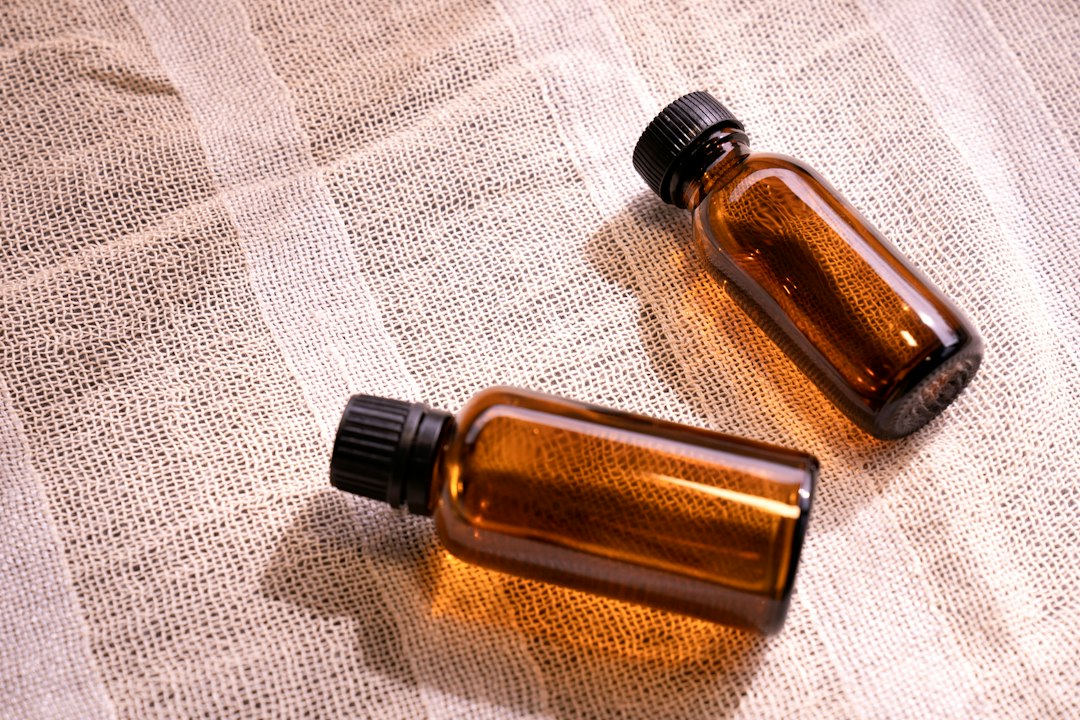
So the practitioner model is not just retail with a different buyer. It has its own margins, its own sales motion and its own marketing limits. This guide walks through how a professional-only herbal brand actually works, from product design to pricing to the way you reach clinics.
Key Takeaways
- Professional-only is a distribution choice, not a licence category, so every product still needs its own NPN and a compliant label.
- Practitioners expect a wholesale price that leaves room for a clinic margin, so build that discount into your costing from day one.
- Practitioner lines lean on liquid extracts, dispensary sizes and clear dosing information rather than retail packaging.
- Education drives the sale: practitioners buy from brands that help them prescribe with confidence.
- Channel conflict with Amazon or discount retail can undo practitioner trust, so set pricing rules before launch.
What Practitioner Brand Supplements Are (and What They Are Not)
A practitioner brand sells mainly to licensed or registered health professionals. These include naturopathic doctors, clinical herbalists, TCM practitioners, chiropractors and integrative medical clinics. The practitioner then dispenses the product in clinic or recommends it to a patient, who orders it directly.
However, "professional-only" has no special status under Canadian law. Health Canada regulates natural health products by what they are and what they claim, not by who sells them. As a result, practitioner brand supplements in Canada need the same product licence, the same label content and the same site licensing behind them as any product on a store shelf.
Here's what that means in practice: you still need a Natural Product Number for every formula, and your manufacturer still needs the right site licence. Health Canada's natural health products guidance applies in full. If you are working through whose licence appears on your label, our guide to private label NPNs in Canada covers the options.
Why the Practitioner Channel Has Different Economics
In retail, a store buys your product and sells it at a markup. In the practitioner channel, the clinic plays the same role, but it also adds clinical judgement. Because of that, practitioners expect a wholesale price that leaves a real margin after their own time and inventory costs.
Many practitioner lines price wholesale at roughly half of the suggested retail price. Some also offer tiered pricing for high-volume clinics. In addition, online dispensary platforms often take a fee, and the practitioner may earn a share of each patient order placed through their account.
The practical implication: your cost of goods has to work at the practitioner price, not the retail price. Build the clinic discount, any platform fee and your freight into the costing before you lock a formula. Our breakdown of private label herbal product pricing shows how those layers stack up.
On the other hand, the channel has real advantages. Customer acquisition costs tend to be lower once a clinic adopts your line, because each practitioner brings a steady stream of patients. Reorders are also more predictable than in mass retail.
Designing Products Practitioners Will Actually Prescribe

Practitioners think in protocols, not impulse purchases. They want products that fit a treatment plan, dose clearly and combine well with other remedies. For that reason, a practitioner line usually looks different from a retail line.
For example, liquid extracts and tinctures are popular because practitioners can adjust doses and combine single herbs. Larger dispensary sizes, such as 250 mL or 500 mL bottles, let a clinic dispense into smaller patient bottles. Single-herb extracts often matter as much as signature blends, since many practitioners prefer to build their own formulas.
Worth understanding before you proceed: practitioners read labels closely. They check extract ratios, plant parts, solvents and dose per serving. A clear label that states the ratio and the dried-herb equivalent earns more trust than any marketing copy. Our post on tincture ratio label requirements explains how those details appear on an NHP label.
Finally, keep the launch range tight. Ten well-chosen products with complete technical information will outperform forty thin ones. You can always add SKUs once you know which products clinics reorder.
Marketing Practitioner Brand Supplements Within the Rules
Selling to professionals does not exempt you from advertising rules. Every claim in your brochures, webinars, emails and social posts must stay within the recommended use on each product licence. That applies even when the audience is a room full of naturopaths.
So the strongest practitioner marketing is educational rather than promotional. Think product monographs, dosing guides, ingredient sourcing notes and continuing-education sessions. These help practitioners prescribe well, and they keep your brand on the right side of the claim limits. For the full picture, see our guide to NHP advertising rules in Canada.
This is where most brands run into trouble. A clinic shares your detailed technical sheet with patients, or posts it online, and claims written for professionals end up in front of consumers. Therefore, write every piece of practitioner material as if a patient will eventually read it.
Building the Sales Motion for Practitioner Brand Supplements in Canada
Practitioner brands grow one clinic at a time. Most successful lines combine a few proven tactics: sample kits for new accounts, a simple professional sign-up that verifies credentials, and a fast, reliable wholesale ordering process.
Education events also matter. Practitioners attend conferences, association meetings and online CE sessions, and brands that teach well get remembered. In addition, a responsive technical support line, even if it is just a knowledgeable person answering email, often decides whether a practitioner adopts a line.
Meanwhile, protect the channel. If the same product sells on Amazon or at discount retail below the clinic's price, practitioners stop recommending it. Set a minimum advertised price, decide which products stay professional-only and enforce both from launch. Our comparison of retail, DTC and Amazon sales channels explains how each channel interacts with the others.
Choosing a Manufacturing Partner for a Practitioner Line
Practitioner brands depend on consistency. A clinic that prescribes your tincture to a patient for six months expects every bottle to match the last one. As a result, your manufacturing partner matters even more here than in mass retail.
Look for a Canadian NHP manufacturer with a Health Canada NHP site licence, experience with liquid extracts in dispensary sizes and minimum order quantities that suit a focused launch range. Ask how they handle reorders, lead times and label updates, especially with the Product Facts table transition ahead. Our contract manufacturer audit checklist lists the questions to ask.
Perfect Herbs has supplied practitioners across Canada for years, so the practitioner channel is familiar ground. If you are planning practitioner brand supplements in Canada, review our tincture manufacturer page or contact us to talk through your product range, sizes and pricing.
Published: November 4, 2026