
Custom herbal formulation services in Canada cover everything from a napkin sketch to a finished, batch-ready product. However, the gap between those two points runs wider than most brand owners expect. The first formulation you bring us is rarely the one that goes to market. Specifically, concentrations shift, menstruums change, ingredient ratios tighten, and stability data drives more decisions than instinct does.


In our process, custom formulation runs as a structured engagement. Feasibility, bench work, pilot batch, then production — not a one-shot recipe handoff. Here's how it moves from brief to finished SKU, and where the decision points sit along the way.
Key Takeaways
- What custom herbal formulation services in Canada actually cover — and how they differ from private label
- The four stages from brief to finished batch, and where most brands get stuck
- Bench samples vs. pilot batches — why both exist, and what each one decides
- Stability and shelf-life testing as gating decisions, not afterthoughts
- How formulation handoff feeds into ongoing production batches and a locked master production record
What custom herbal formulation services in Canada actually cover
Custom herbal formulation services in Canada cover the work of taking a therapeutic concept, ingredient list, or rough recipe and turning it into a reproducible, compliant, scalable product. Specifically, the deliverable is a finished SKU — tincture, glycerite, tea, capsule blend, or topical — backed by a locked formula and master production record. Formats we routinely formulate include liquid extracts, glycerites, dry herbal teas, and capsule blends.
In contrast to private label, custom formulation starts from a brand-owned formula. In private label, you select from an existing catalogue and put your brand on it. However, in custom formulation, the formula is yours — often new, often unique to your brand. As a result, our team's job is to make it work at scale. Our manufacturing services sit inside a GMP-compliant facility under Health Canada's Natural Health Products site licence framework. That framework sets the documentation, environmental, and process expectations every custom formulation must meet.
Worth understanding before you proceed: a custom herbal formulation engagement is not a single batch contract. Rather, it produces an asset — the locked formula and batch record — that your brand owns and can run repeatedly. For a broader view of the wider engagement, see our overview of herbal contract manufacturing in Canada.
Step 1 — Brief and feasibility review for custom herbal formulation
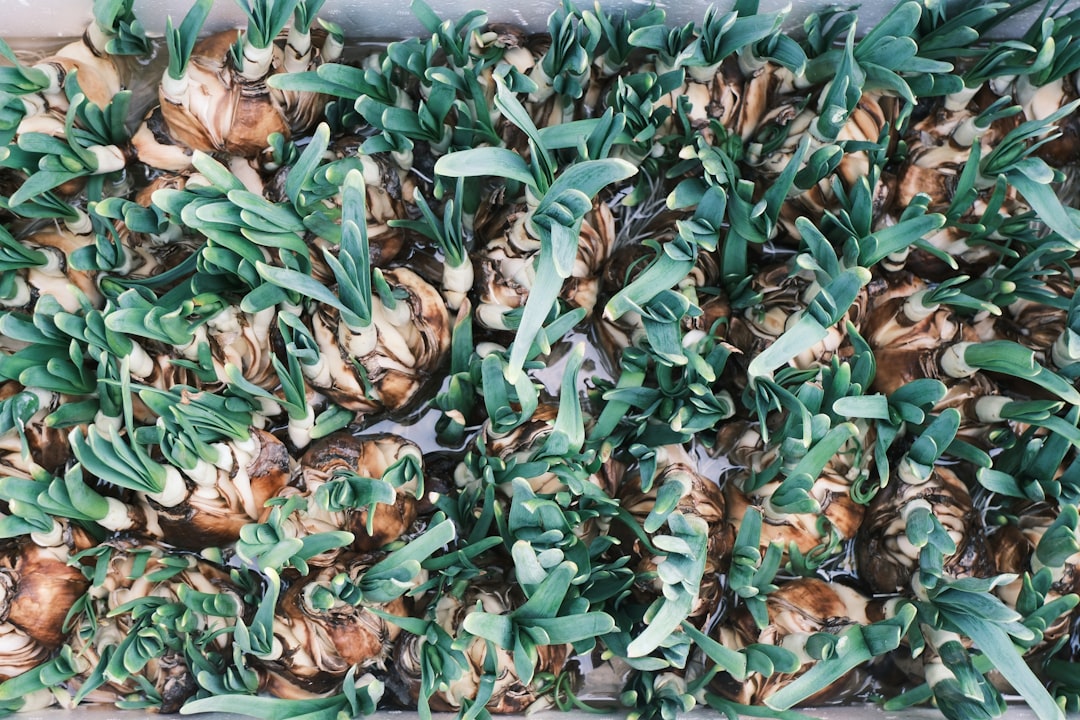
Custom herbal formulation services in Canada start with a brief. Typically, the brand owner sends what they have — a therapeutic intent, a target audience, a draft ingredient list, or a category they want to enter. Our team then runs the brief through three filters: regulatory feasibility, sourcing feasibility, and manufacturing feasibility.
First, regulatory feasibility asks whether Health Canada permits every proposed ingredient at the proposed dose. Second, sourcing feasibility asks two things. Can suppliers deliver the ingredients at consistent spec? Can they hit the volume on a workable lead time? Third, manufacturing feasibility asks whether our equipment can deliver the format without compromising stability or sensory properties. Furthermore, we flag restricted, seasonal, or interacting ingredients here.
The practical implication: most briefs need adjustment at this stage. Consequently, we send back a feasibility memo with the changes we recommend, the reasons, and the trade-offs. Specifically, we address IP and confidentiality here — we hold every formulation under NDA, and your brand owns the formula. For more on how that works, see our piece on herbal formula IP protection in contract manufacturing.
Step 2 — Bench work and sample development
Once the brief is locked, we move to bench work. Specifically, bench formulation produces small lab-scale batches — typically a litre or less per iteration. The formulator dials in the menstruum, the ingredient ratios, and the sensory profile. For a tincture, this means choosing the right alcohol percentage for the herbs in question. For a glycerite, it means balancing glycerin ratio against extraction efficiency.
Each bench iteration goes to the brand for evaluation. The brand tastes it, smells it, sometimes runs a small panel, and comes back with feedback. As a result, we iterate — usually two to four cycles — until the formulation matches the intent. In addition, you can use our tincture calculator to see how concentration and ratio decisions affect cost per unit at production scale.
Here's where most brands underestimate the work: a custom herbal formulation that tastes great at 100 mL on a bench will not automatically translate to 100 litres on production equipment. Specifically, bench batches answer one question — is the formula right? Pilot batches answer the next one. Can we make it at scale?
Step 3 — Pilot batch and stability testing in custom herbal formulation services
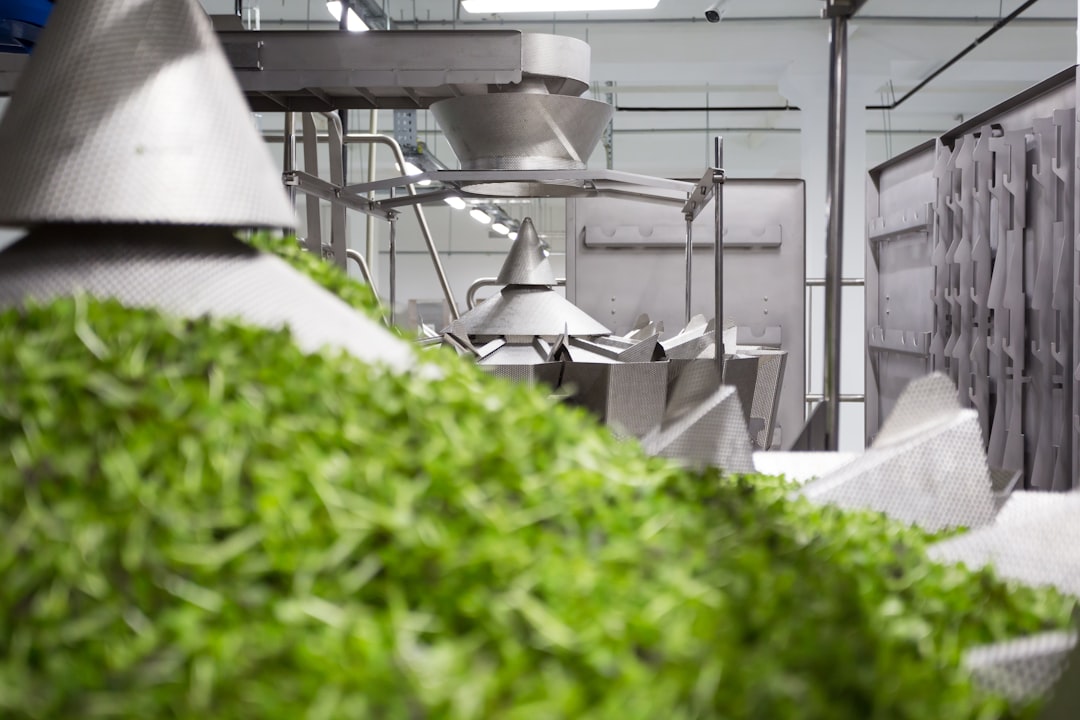
The pilot batch runs the locked bench formulation on real production equipment for the first time — typically 10 to 30 litres, depending on format. Consequently, this run surfaces workflow issues that bench work cannot reveal: viscosity behaviour in larger volumes, settling rates, filtration challenges, fill-line accuracy on the bottling equipment. However, by catching these at pilot scale, we avoid problems on a 200-litre commercial run.
The pilot batch also triggers the stability program. Specifically, we pull samples and place them on a stability schedule that mirrors real shelf conditions. Furthermore, we test for sensory drift, microbial integrity, and active compound retention over time. Stability data justifies the shelf-life claim on the label — it isn't optional. For more on what that program looks like, see our post on herbal tincture shelf life and stability.
The practical implication: stability gates the decision, it isn't an afterthought. Therefore, if a custom herbal formulation cannot hold up over 24 months under normal storage, the formula goes back to bench. Custom herbal formulation services that skip this step set the brand up for recalls and complaints.
Step 4 — Production handoff and ongoing batches
Once the pilot batch passes and early stability data is in hand, the formulation moves to production handoff. Specifically, our team writes the final master production record (MPR) — the locked, auditable document that governs every future batch. Furthermore, the MPR specifies ingredient suppliers, weights, processing steps, hold times, equipment, in-process checks, and finished-product release criteria.
Every subsequent batch follows that MPR. Consequently, consistency comes from the controlled document, not the formulator's memory. Any qualified operator can run it. Specifically, the MPR is the audit trail Health Canada expects during an inspection of any NHP-licensed product.
From here, the engagement shifts from formulation to ongoing manufacturing. Typically, commercial batches run on the cadence your brand needs — quarterly, monthly, or per-purchase-order. In addition, we document, lot-code, and trace each one back through to the original formulation work. As a result, custom herbal formulation services in Canada earn their value over this long tail, not just at the first batch.
In summary, custom herbal formulation services in Canada deliver when both sides commit to the process. A clear brief from the brand. Disciplined bench and pilot work from the manufacturer. Stability data backing every decision. Ultimately, a formulation that survives this engagement scales, reproduces, and licences — not just makes once. If you're carrying a formula concept, the brief is where to start — get in touch to scope your project.
Published: May 26, 2026