
Residual solvents in herbal extracts rarely get the attention that heavy metals or microbes do, yet they sit on the same certificate of analysis. If your brand buys a concentrated dry extract for capsules, powders or softgels, a solvent almost certainly touched that material. So the real question is how much of it is left, and whether anyone measured it properly. This guide covers where solvent residue comes from, how the limits work, and which COA lines deserve a second look.


Key Takeaways
- Most concentrated dry extracts are made with a solvent, so residue is a normal spec item, not a red flag.
- ICH Q3C sorts solvents into three classes, from ones to avoid entirely to ones with low toxic potential.
- Hexane, methanol and similar Class 2 solvents have strict ppm limits that a COA should report as numbers.
- A line that only says "complies" tells you little unless you know which solvents were in scope.
- Ask suppliers for the solvent list, the test method and the limit basis before you approve an extract.
Why Residual Solvents in Herbal Extracts Matter to Buyers
A residual solvent is any volatile chemical used during manufacture that the process did not fully remove. In botanical work, that usually means the liquid used to pull constituents out of the plant. For example, an ethanol, acetone or hexane extract can carry traces of that solvent into the final powder. Drying removes most of it, but rarely all of it.
Here's what that means in practice: residual solvents in herbal extracts are a safety specification, just like heavy metals. Some solvents are harmless at typical levels, while others are toxic even in small amounts. As a result, a buyer needs to know which solvent was used before the number on the COA means anything.
This also completes the contaminant picture. If you've already worked through heavy metal testing for herbal ingredients, microbial limits and pesticide residues, solvents are the last major category to review. In addition, they are the one most often skipped on extract COAs.
Which Extraction Methods Leave Solvent Behind
Not every herbal product carries a solvent risk. A traditional tincture, for instance, uses ethanol and water as the finished product itself. In that case, ethanol is the vehicle, so solvent limits do not apply in the usual way. Likewise, a cut-and-sifted herb or a simple powdered root involves no extraction at all.
The risk rises once you buy a concentrated dry extract. Manufacturers often extract with ethanol, then evaporate and spray-dry the result. Some standardized extracts also use acetone, methanol or ethyl acetate to reach a target marker level. Oil-soluble extracts for softgels may involve hexane, while supercritical CO2 extraction leaves no CO2 behind but sometimes adds ethanol as a co-solvent.
The short version: the more refined the extract, the more likely it went through more than one solvent. That is why powdered herbal extract manufacturing and softgel projects need a solvent review at the spec stage, not after the first shipment arrives.
ICH Q3C Limits for Residual Solvents in Herbal Extracts
The common reference point is the ICH Q3C guideline on residual solvents. Pharmacopoeias such as USP and Ph. Eur. build on it, and Health Canada's natural health product quality guidance points to recognized standards like these. ICH Q3C sorts solvents into three classes based on toxicity.
Class 1 solvents have no place in an extract process. They include benzene, with a limit of 2 ppm, and carbon tetrachloride, at 4 ppm. Benzene can still show up as a contaminant of other solvents, so it is worth confirming that the lab screened for it.
Class 2 solvents carry strict limits. Typical examples are hexane at 290 ppm, methanol at 3,000 ppm and dichloromethane at 600 ppm. These are the numbers that matter most for extract buyers, because they appear in real botanical processes.
Class 3 solvents have low toxic potential. Ethanol, acetone, ethyl acetate and isopropanol all fall here, with a general limit of 5,000 ppm (0.5%). However, a low risk class still needs a result on paper.
Checking Residual Solvents in Herbal Extracts on a COA
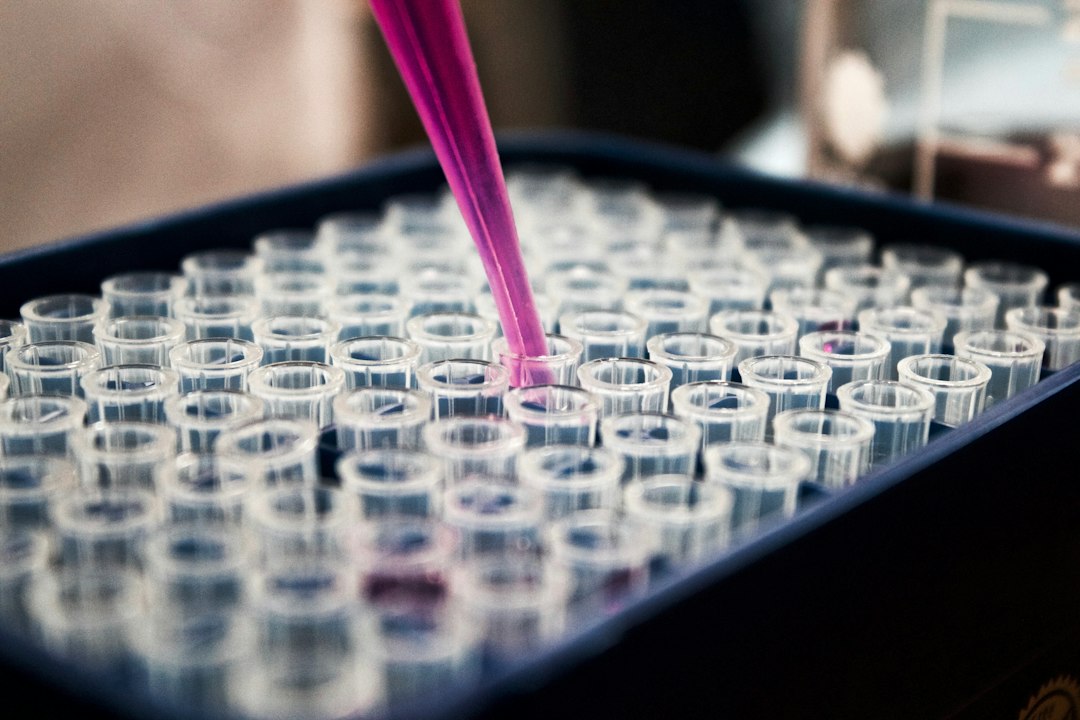
When you review residual solvents in herbal extracts on a herbal ingredient certificate of analysis, start with the solvent list. A good COA names each solvent tested, gives a numeric result in ppm and states the limit beside it. A result reported as "ND" should also show the detection limit, so you know how sensitive the test was.
This is where most brands run into trouble. Many extract COAs simply say "Residual solvents: complies" with no detail. That line might mean a full headspace gas chromatography run. On the other hand, it might mean only a loss-on-drying test, which ICH Q3C allows only when the process used Class 3 solvents alone.
Next, check the method. Headspace GC, as described in USP <467> and Ph. Eur. 2.4.24, is the standard approach for Class 1 and Class 2 solvents. If the COA cites no method, ask for it. Finally, compare the result date with the lot number, because a COA from an old lot does not cover a new one.
Questions to Ask Your Extract Supplier
A short set of questions settles most solvent issues before you approve a new extract. First, ask which solvents the process uses at every stage, including any co-solvent or wash step. Second, ask whether the supplier tests each lot or relies on periodic validation data. Both approaches exist, so you need to know which one stands behind the COA.
Third, ask what limit basis they use. Most suppliers apply the ICH Q3C concentration limits, but some quote a daily-exposure calculation instead. That is fine if the math reflects your actual dose. For example, a high-dose capsule taken several times a day may need a tighter limit than a standard reference assumes.
Finally, ask about solvents outside the ICH tables. If a process uses one, the supplier should justify the limit in writing. Then record the answers in your raw material spec, so every future lot meets the same standard.
Residual Solvents in Herbal Extracts and Your Spec
The practical implication is simple: residual solvents in herbal extracts belong in your written ingredient specification, not just in a supplier's paperwork. Your spec should list the expected solvents, the limits and the required method. As a result, a contract manufacturer can reject a lot that falls short instead of debating it.
A capable Canadian NHP manufacturer will review supplier COAs against that spec before the material goes into production. If you're planning a capsule, powder or softgel product built on concentrated extracts, the Perfect Herbs manufacturing services page outlines the formats available. To talk through a specific formula, get in touch and share the extracts you are considering.
Published: November 2, 2026