
The realistic herbal product launch timeline Canada brand owners should plan for runs eight to eighteen months from first concept to first shipment, and the manufacturing portion is rarely the longest part. Most founders build their launch plan around production lead times, then get blindsided by regulatory review and packaging procurement. Here's what the full sequence actually looks like, phase by phase, with the durations that hold up in practice.

Key Takeaways
- A full herbal product launch timeline in Canada typically runs 8 to 18 months from concept to first shipment.
- Health Canada NPN review is usually the single longest fixed block, and it runs in parallel with almost nothing else.
- Packaging and label artwork routinely delay launches more than manufacturing capacity does.
- Monograph-based claims move considerably faster than non-monograph evidence pathways.
- Phases can overlap, and sequencing them well is where brands recover the most time.
Phase 1 — Concept and formulation (4 to 12 weeks)
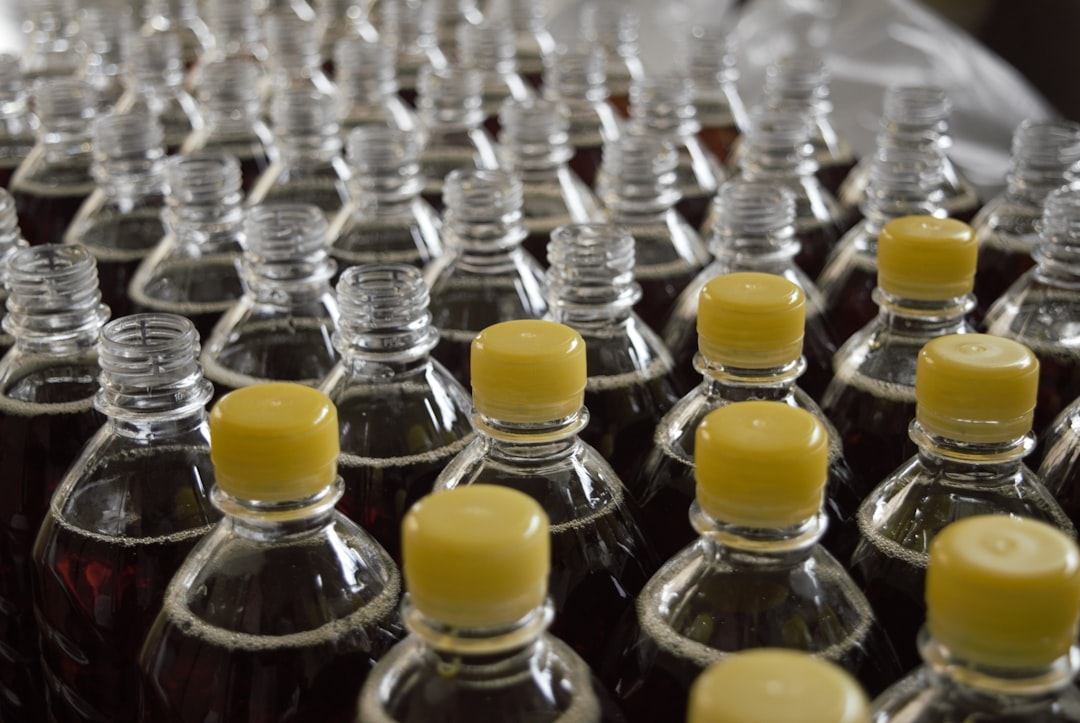
This phase covers the decisions that everything downstream depends on: what the product does, which format it takes, and what goes into it. Format matters more than most founders expect. A liquid extract, a capsule, and a powdered blend each carry different equipment requirements, different stability profiles, and different regulatory considerations.
If you're comparing formats, our breakdown of tincture vs glycerite vs capsule covers the trade-offs. A late format change forces rework across labelling, costing, and packaging.
Formulation itself splits into two paths. Turnkey products, where you select from an existing catalogue, move fast because the formula is already proven. Custom formulation requires iteration: draft the formula, sample, taste and stability check, revise, sample again. Each round adds another two to four weeks.
Here's what that means in practice: brands that arrive with a clear format decision and a defined target market compress this phase substantially. Brands still deciding whether they're making a tincture or a capsule spend months here.
Phase 2 — Regulatory: the longest block in the herbal product launch timeline
Any product sold in Canada as a natural health product needs a Natural Product Number before it goes to market, issued under Health Canada's Natural and Non-prescription Health Products Directorate. This phase dominates the herbal product launch timeline Canada brands face, and it does not compress with budget or urgency.
The duration depends heavily on which evidence pathway your claims follow. Monograph-based submissions, where the ingredients and claims align with an existing Health Canada monograph, move through Class I or Class II review relatively quickly. Non-monograph submissions requiring full evidence review sit in a different queue entirely and take substantially longer.
Our post on NHP claims substantiation covers how to tell which pathway your product falls into, and the NPN application process guide walks through the submission itself.
Worth understanding before you proceed: your manufacturer needs a valid site licence, but that's their obligation, not yours. Your product licence is separate and it's yours to hold. Additionally, budget for Health Canada's cost-recovery fees, which apply to both the submission and the annual right to sell.
The practical implication: start the regulatory work in parallel with formulation refinement, not after it. Founders who treat regulatory as a final step add months to their launch for no reason.
Phase 3 — Packaging, labels, and artwork (6 to 16 weeks)
This is where launches quietly slip. Packaging runs on its own supply chain, with its own lead times, and it does not care about your production schedule.
Bottles, closures, droppers, and cartons all carry separate lead times, and custom components stretch further than stock ones. Custom moulds or bespoke colours can add months. Label printing needs finalised artwork, and finalised artwork needs approved regulatory copy, which means this phase is gated by Phase 2.
Canadian labels also carry bilingual requirements. Both English and French text must appear, which drives layout, font sizing, and how much design space the mandatory copy eats. Our bilingual NHP labelling guide covers the specifics.
The short version: order packaging components as soon as your formula and fill volume are locked, and treat artwork as a parallel track rather than a final step.
Phase 4 — Production and fulfilment in your herbal product launch timeline
Manufacturing is the phase founders worry about most and the one that usually causes the fewest surprises. Once you have locked the formula, received your components, and secured the licence, production runs on a schedule you can plan around.
Raw material sourcing drives most of the variability. Common botanicals ship quickly. Unusual species, certified organic material, or ingredients tied to a single harvest window can add weeks, and shortages happen. Our post on supply chain resilience covers how brands manage that risk.
After the batch runs, release testing, labelling, and pack-out follow before anything ships. Then fulfilment logistics begin: warehousing, distribution setup, and retailer or platform onboarding if you're selling through channels rather than direct.
For manufacturing-specific durations, our lead times guide breaks the production window down further.
How to compress a herbal product launch timeline in Canada
Sequencing is where brands recover the most time. Several phases overlap comfortably, and the ones that must run sequentially deserve your attention first.
Start the regulatory submission the moment the formula is locked, rather than waiting for packaging or branding to finish. Order long-lead packaging components in parallel with regulatory review. Choose monograph-aligned ingredients and claims where they genuinely fit your product, because the review pathway is faster. Additionally, select your manufacturer early, because they inform formulation feasibility, fill volumes, and component specifications that all feed into other phases.
Here's how it plays out: a turnkey product with monograph claims and stock packaging can reach shelves in roughly eight months. A custom formula with non-monograph claims and bespoke packaging realistically takes eighteen.
Neither is wrong. But planning for eight and building the second one is how launches miss their season entirely.
Published: September 4, 2026