
The wildcrafted vs cultivated herbs commercial sourcing question sits behind almost every quality and supply decision a herbal brand makes, yet most brand owners never formally choose. They inherit whatever their raw material happens to be. That is a mistake, because the sourcing model shapes consistency, cost, compliance risk, and how confidently you can scale a SKU. Here is what the difference actually means once you are buying at commercial volume.

Key Takeaways
- Wildcrafted herbs are harvested from natural habitat; cultivated herbs are farm-grown to a plan.
- Cultivated material generally offers better lot-to-lot consistency and more reliable supply.
- Wildcrafted material can carry unique constituent profiles but higher variability and sustainability risk.
- For most commercial brands, the deciding factors are traceability, supply reliability, and testing.
- Specify your sourcing model in the contract so quality is defined, not assumed.
What Wildcrafted and Cultivated Actually Mean in Commercial Sourcing
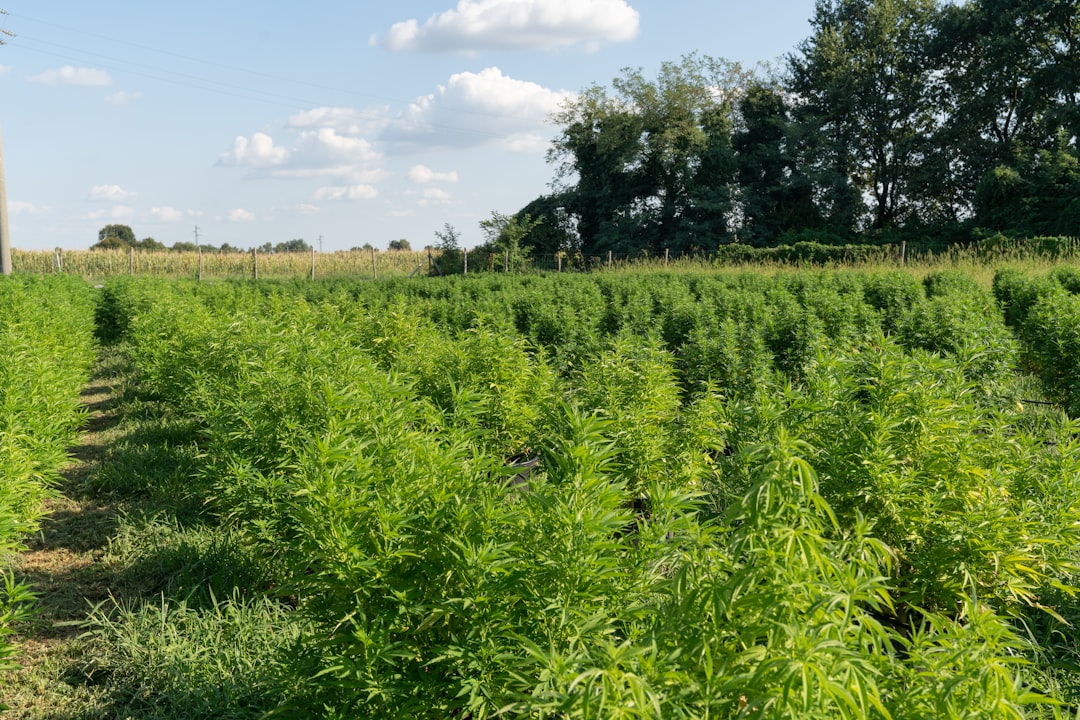
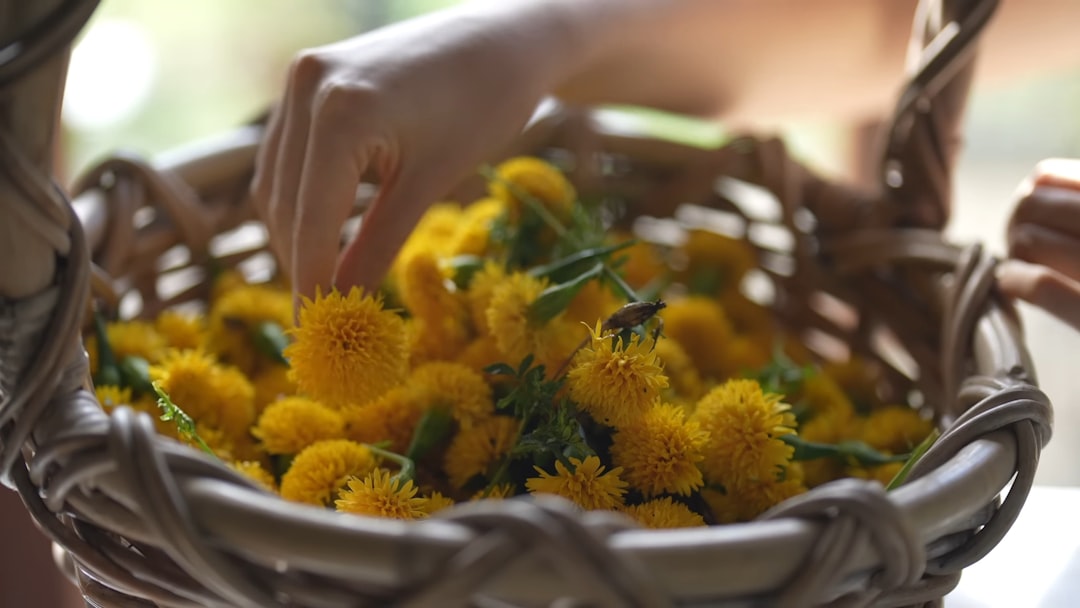
In the wildcrafted vs cultivated herbs commercial sourcing conversation, the two terms describe where and how a plant was grown. Wildcrafted herbs are gathered from their natural habitat, not planted or tended by a grower. Cultivated herbs are farmed deliberately, often to an agronomic plan that controls soil, spacing, and harvest timing.
Neither label is a quality grade on its own. A carefully wildcrafted root from a clean, well-managed stand can be excellent. A poorly managed farm crop can be mediocre. Here's what that means in practice: the label tells you the production method, not the finished quality. You still have to verify.
That distinction matters most at scale. When you are buying kilograms for a single small batch, variability is easy to absorb. When you are buying at commercial volume for repeat production, the sourcing model starts to drive your entire quality system.
Consistency and Supply Reliability
For most brand owners, consistency is where cultivated material earns its keep. A managed crop is grown under controlled conditions, harvested at a planned maturity, and processed in known lots. That predictability translates into steadier constituent levels, tighter specifications, and fewer surprises between batches of your finished product.
Wildcrafted supply is harder to schedule. Yields depend on season, weather, and the health of the stand, so availability and price can swing sharply year to year. This is where most brands run into trouble: a hero SKU built on a wildcrafted botanical can stall when the harvest disappoints.
Supply reliability also affects your production timeline. If a wildcrafted ingredient is out of season or over-harvested, lead times stretch. Cultivated sourcing, or a qualified pool of multiple suppliers, gives your contract manufacturing partner more room to keep your schedule on track.
Quality, Constituents, and Testing
Wildcrafted advocates often point to constituent richness, and there is truth to it for certain species that resist domestication or express differently in the wild. The trade-off is variability: a wild stand is not standardized, so potency and profile can range widely across harvests and regions.
Cultivated material can be selected and grown for a target profile, which makes it easier to hit a specification consistently. Either way, the constituent claim only holds if it is verified. Whatever the sourcing model, the safeguard is the same: identity and quality testing against a defined specification, documented on a raw material spec sheet.
The practical implication: do not let a romantic sourcing story replace data. Whether an ingredient is wildcrafted or cultivated, ask for the identity confirmation, contaminant results, and lot documentation before it enters your product.
Sustainability, Compliance, and Traceability
Sustainability is a real and growing factor in wildcrafted vs cultivated herbs commercial sourcing. Wild harvesting can pressure vulnerable species, and some botanicals are now restricted or certified specifically because of over-collection. Buyers should know whether a wildcrafted ingredient is gathered under a managed, sustainable protocol or simply stripped from the wild.
Traceability follows the same logic. Cultivated crops are typically easier to trace to a farm, a region, and a harvest date. Wildcrafted material can be traceable too, but only when the collector and aggregator keep proper records. Strong supplier qualification and traceability is what turns either model into a defensible supply chain.
For regulated markets, this is not optional. A documented chain of custody supports your compliance position and protects the brand if a regulator or a customer ever asks where an ingredient came from.
How to Decide for Your Brand
There is no universal winner in wildcrafted vs cultivated herbs commercial sourcing. The right call depends on the species, your volume, your positioning, and your tolerance for variability. A premium single-origin line may lean into responsibly wildcrafted material as part of its story. A high-volume everyday SKU usually needs the reliability of cultivated supply.
The short version: choose the model deliberately, then write it into your agreement. Specify the sourcing method, the required documentation, and the quality specification so nothing is left to assumption. This is exactly the kind of detail worth settling early with your manufacturing partner.
If you are scoping a new product or re-qualifying an ingredient, a capable manufacturing partner can help you weigh the options against your target profile and budget. Start with our manufacturing services, review the fundamentals in our guide to herbal ingredient sourcing and quality, and get in touch to talk through your formulation.
Published: July 3, 2026