
The choice between white label vs private label vs contract manufacturing decides how much control you hold over your formula, your margins, and your speed to market. Brand owners often use these terms interchangeably, then discover mid-project that they signed up for a different model than they meant to. Getting the distinction right before you request a quote saves months of rework and protects your positioning.


Key Takeaways
- White label means selling a pre-made, generic product under your own brand, the fastest and lowest-cost route to shelf.
- Private label lets you customize an existing base formula, packaging, and labelling while keeping development light.
- Contract manufacturing builds a product from your own formula, giving full control at the cost of more time and higher minimums.
- The right model depends on your budget, timeline, formula ownership goals, and how differentiated you need to be.
- All three operate under the same Health Canada NHP framework, so compliance obligations follow the product, not the model.
White Label vs Private Label vs Contract Manufacturing: The Three Models at a Glance
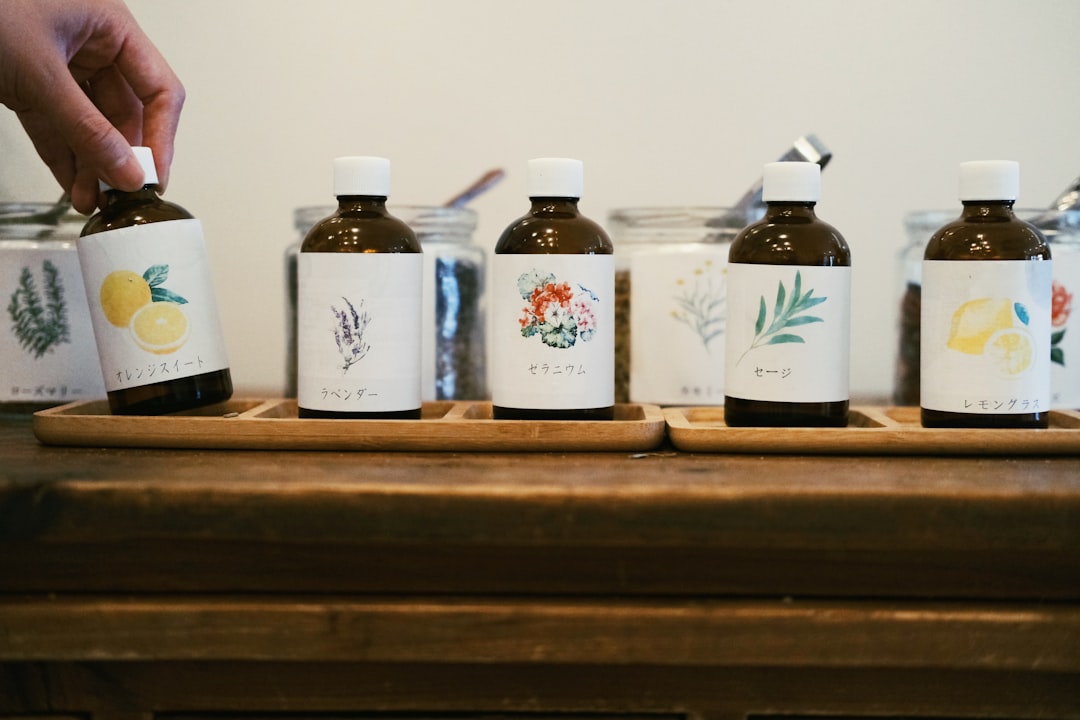
At the simplest level, the difference between white label vs private label vs contract manufacturing comes down to how much of the product originates with you. Each model trades control for convenience along a sliding scale.
White label sits at one end: a finished, ready-made product that several brands can sell under different names. Private label sits in the middle: an existing base you adapt through packaging, labelling, and sometimes minor formula tweaks. Contract manufacturing sits at the far end: a product built to your specification from the formula up.
Here's what that means in practice: as you move from white label toward contract manufacturing, you gain differentiation and ownership but take on more cost, longer timelines, and higher minimum order quantities. None is inherently better. The best fit depends entirely on where your brand sits today.
White Label: The Fastest Path to Shelf
A white label product is a generic, pre-formulated item that a manufacturer offers to multiple clients. You add your brand name and label, and the product is ready to sell. Because the formula and packaging already exist, development time is minimal and upfront costs are low.
The trade-off is differentiation. Your competitor down the street can source the same base product, so you compete on brand, price, and marketing rather than formula. This model suits brands testing a category, filling a catalogue gap quickly, or operating with a tight launch budget.
Worth understanding before you proceed: white label gives you speed, not exclusivity. If your strategy depends on a unique formulation, you will outgrow this model fast.
Private Label: Your Brand on a Proven Base
Private label is the middle path most herbal brands choose. You start from an established base formula, then customize the elements that carry your identity: packaging, labelling, bottle size, and often small formulation adjustments. The result feels like your own product without the cost of formulating from zero.
This model balances speed and distinctiveness well. You reach shelf faster than full custom development, yet you control the brand experience and can refine the product over time. For a deeper look at this route, our guide to private label herbal products in Canada walks through the full engagement.
The practical implication: private label is the sweet spot for brands that want a recognizable identity without a long, capital-heavy R&D cycle.
Contract Manufacturing: Built From Your Formula
Contract manufacturing is the full-custom end of the spectrum. You bring a formula, or develop one with the manufacturer, and the product is built to your exact specification. This delivers maximum control over ingredients, ratios, format, and final presentation.
That control comes with commitments. Custom work means longer timelines, higher minimum order quantities, and a more involved development process than white or private label. In return, you own a differentiated product that competitors cannot simply buy off the same shelf. Brands serious about a signature formula almost always land here eventually.
If you are weighing this route, our contract manufacturing services page outlines how a custom engagement typically unfolds, and the tincture calculator helps you scope formulation costs early.
Which Model Fits Your Brand: White Label vs Private Label vs Contract Manufacturing?
When you weigh white label vs private label vs contract manufacturing, start with four questions: How fast do you need to launch? How much can you invest upfront? How differentiated must your product be? And do you need to own the formula outright?
Speed and budget point toward white label. A recognizable brand on a reliable base points toward private label. A signature, defensible formula points toward contract manufacturing. Many brands move along this path over time, launching white or private label, then graduating to custom production as volume and ambition grow.
However, one factor stays constant across all three: regulatory compliance. Every herbal product sold in Canada must meet Health Canada NHP requirements regardless of the sourcing model. If you want help mapping your goals to the right model, get in touch through our contact page and we'll talk through the options.
Published: June 25, 2026