
The tincture bottles glass vs plastic decision looks like a cost line, but it shapes shelf life, shipping losses and how your brand reads on a shelf. Most brand owners settle it when they order components. However, the right answer depends on your alcohol content, your sales channel and how far the product travels. This guide compares amber glass, PET and HDPE on the five factors that matter. It also flags the questions to settle with your manufacturer before you commit to a first run.

Key Takeaways
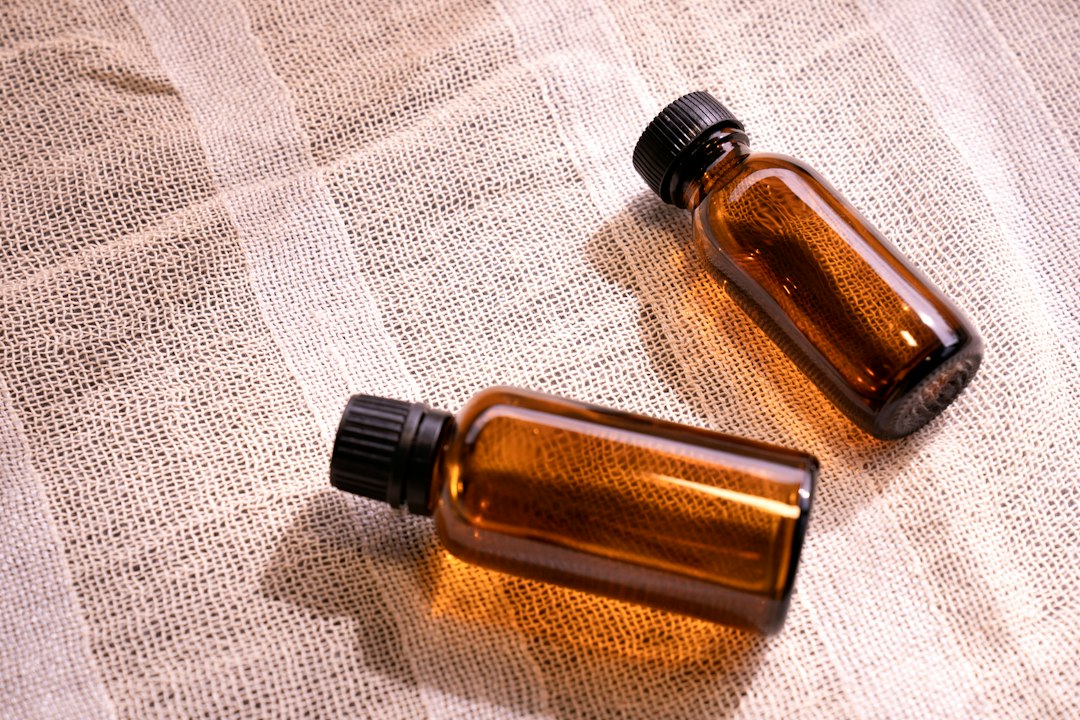
- Amber glass is chemically inert with ethanol and filters most UV light, so it remains the default for high-alcohol tinctures.
- PET is light and shatter-resistant, but high-proof ethanol can stress it, so compatibility data matters before you switch.
- HDPE resists ethanol well, yet it lets more oxygen and volatile compounds through than glass or PET.
- Glass costs more per unit and per kilogram shipped, while plastic cuts breakage and freight costs for e-commerce.
- Whatever you choose, your shelf-life data should come from product stored in the exact bottle and closure you will sell.
Tincture Bottles, Glass vs Plastic: Start With Ethanol Compatibility
A tincture is mostly solvent. A typical liquid extract runs anywhere from 25% to over 60% ethanol, so the container sits in contact with a strong solvent for its whole shelf life. That is the first filter in any tincture bottles glass vs plastic comparison. The material must not leach into the product, absorb its constituents or weaken over time.
Glass handles this best because ethanol does not attack it. Amber Type III soda-lime glass, the standard for dropper bottles, stays inert across the full alcohol range. As a result, it never changes the taste or chemistry of the extract.
Plastics are more variable. PET generally tolerates moderate alcohol levels, but high-proof extracts can cause stress cracking or haziness in some grades. HDPE resists ethanol chemically, although it absorbs some aromatic and volatile compounds. Packaging engineers call this effect scalping. For example, a formula heavy in essential-oil-rich herbs can lose aroma into the bottle wall over months.
The practical implication: ask your bottle supplier for ethanol compatibility data at your exact alcohol percentage. A grade that suits a 25% glycerite blend may not suit a 60% resin extract. If you are weighing alcohol-free tincture options, plastic becomes easier to justify, because the solvent is far gentler.
Light Protection and Oxygen Barrier
Light and oxygen are the two slow threats to a finished tincture. UV light can degrade light-sensitive constituents, and oxygen drives gradual oxidation of the extract. So the second test is how well each material shields the liquid inside.
Amber glass filters most UV light and a good share of short-wavelength visible light. In addition, glass is effectively impermeable to oxygen. The only weak point is the closure, which is why cap liners and dropper fit matter as much as the bottle itself.
Plastics depend on colour and wall thickness. Amber PET offers useful light filtering and a reasonable oxygen barrier for a plastic. HDPE is usually opaque white, so it blocks light well. However, it lets more oxygen and moisture vapour through its walls than PET or glass.
Here's what that means in practice: a long shelf-life target favours glass. A product that sells through quickly, or that ships to customers within weeks of filling, can work in amber PET. Either way, an outer carton adds light protection at low cost.
How Amber Glass, PET and HDPE Compare for Tinctures
Each material has a clear profile, so a side-by-side view helps.
Format also plays a role. Glass pipette droppers suit amber glass and amber PET alike. By contrast, HDPE often pairs with orifice reducers or squeeze tips, which suit larger refill or practitioner bulk sizes. For a broader look at fill and closure formats, see the guide to NHP packaging requirements in Canada.
Worth understanding before you proceed: buyers judge quality partly by weight and material. Consequently, a glass bottle signals an apothecary product, while plastic signals convenience. Neither is wrong, but the choice should match your brand position.
Glass vs Plastic Tincture Bottles: Cost, Breakage and Shipping
Unit cost is where plastic looks strongest at first. A plastic tincture bottle usually costs less than its glass equivalent, and it weighs a fraction as much. That weight gap compounds across freight, warehousing and last-mile shipping.
Breakage is the hidden cost of glass. A cracked bottle in a mixed carton can soak labels and neighbouring products, so one failure often ruins several units. Similarly, marketplaces such as Amazon apply extra prep rules to liquids in glass, which adds packing time and material.
Plastic removes most of that risk. For a direct-to-consumer brand shipping single units across Canada, glass vs plastic tincture bottles can mean a real difference in damage claims and postage. If you plan to use a third-party warehouse, read the comparison of 3PL vs in-house fulfillment first. Then factor breakage rates into your landed cost.
The short version: glass costs more to buy and to move, but it may sell at a higher price. Therefore, model the full landed cost per unit rather than comparing bottle quotes alone.
Regulatory and Shelf-Life Considerations
Canada's Natural Health Products Regulations do not name a required bottle material. Still, they require an expiry date on the label, and that date has to rest on evidence. In practice, stability data should reflect the bottle and closure you actually sell.
This is where most brands run into trouble. A brand might set a three-year expiry on glass, then switch to PET to save freight. If the new container lets in more oxygen, the original stability data no longer covers the product. As a result, any material change should trigger a fresh look at your shelf-life support.
Labels matter too. Pressure-sensitive labels adhere differently to glass, PET and HDPE, and some adhesives lift on flexible plastic. So test your labels on the final bottle before a full print run. A prototype or sample run is the cheapest place to catch these problems.
Choosing Tincture Bottles: Glass vs Plastic by Sales Channel
Most decisions follow the sales channel. For practitioner and health-food retail, amber glass remains the expected format. E-commerce brands shipping single units often find that amber PET balances protection and cost. For bulk refill sizes, HDPE can make sense when shelf life is short.
A few questions settle the tincture bottles glass vs plastic choice quickly:
If you are planning a private label line, the manufacturing services page outlines how a project moves from formulation to finished goods. When you are ready to compare component options for your formula, request a quote and bring your answers to the questions above. In short, choose the bottle that protects the extract first, then optimise for cost and channel.
Published: November 19, 2026