
Tincture alcohol excise duty is one of the least understood lines on a private label quote. Ethanol is often the largest raw-material cost in a tincture, yet brand owners rarely see why it varies between manufacturers. Two quotes for the same formula can differ because of the alcohol grade, the finished strength or the duty status of the ethanol. This guide explains each factor, so you can read the alcohol line with confidence.

Key Takeaways
- Canada charges excise duty on spirits per litre of absolute ethyl alcohol, and the CRA indexes the rate every April 1.
- The finished alcohol percentage of your tincture drives the alcohol cost more than bottle size alone.
- Ethanol grade and source, such as organic cane or grain alcohol, change the price per litre before any duty applies.
- The Excise Act, 2001 offers duty relief for approved formulations made by licensed users, but the CRA decides what qualifies.
- Ask every manufacturer how the alcohol line is built, so you compare quotes on the same basis.
How Tincture Alcohol Excise Duty Works in Canada
Canada taxes spirits under the Excise Act, 2001, and the Canada Revenue Agency administers it. The duty applies per litre of absolute ethyl alcohol, not per litre of liquid. In other words, the tax follows the pure alcohol content inside the product.
The rate also moves every year. According to the CRA's excise duty notice EDN104, spirits above 7% alcohol are taxed at $14.117 per litre of absolute ethyl alcohol from April 1, 2026. Because the rate is indexed, a quote from March can look different from a quote in May.
Here's what that means in practice: a litre of 95% ethanol holds 0.95 litres of pure alcohol. At the 2026 rate, the duty on that litre is about $13.41. That amount comes before freight, GST or HST and the supplier's margin.
Why Alcohol Percentage Drives Tincture Alcohol Excise Duty
Your tincture's final alcohol percentage matters more than most brand owners expect. A 50 mL bottle at 45% alcohol holds 22.5 mL of pure alcohol. At the 2026 rate, the tincture alcohol excise duty on that alcohol works out to roughly $0.32 per bottle.
Now raise the strength. A 50 mL bottle at 60% holds 30 mL of pure alcohol, so the duty rises to about $0.42. Across 5,000 bottles, that small gap adds up to roughly $500 in duty alone. The ethanol itself also costs more, because the formula uses more of it.
The practical implication: the extraction ratio and solvent strength are formulation choices, but they are also cost choices. Some herbs need a higher alcohol percentage to extract well. Others work at a lower strength, and some brands move to a glycerite instead. Our guide to alcohol-free tincture manufacturing covers those options.
Ethanol Grades and Sources for Tinctures
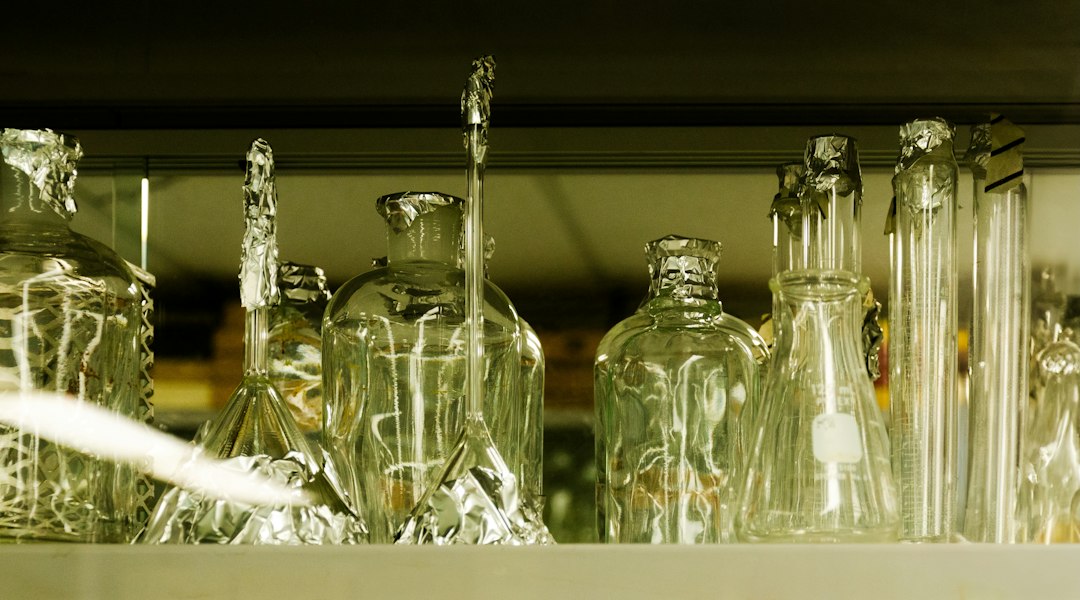
Not all ethanol is the same, and the grade sets the base price before any duty applies. Oral tinctures need undenatured, food-grade or pharmacopoeial-grade ethanol. This alcohol usually arrives at 95% to 96% strength, and the manufacturer dilutes it with water to the target percentage.
Denatured alcohol is a different product. Suppliers add denaturants to make it unfit to drink, so it suits cleaners and some topicals. However, it has no place in an oral tincture, even though it costs less.
Source also changes the price. Grain and corn ethanol are common and usually the least expensive. Cane and grape alcohol cost more, and certified organic ethanol costs more again. If your brand carries an organic claim, the alcohol must meet that standard too. For example, an organic tincture made with conventional ethanol can fail an organic review. Our post on organic certification for herbal products explains why.
Approved Formulations and Duty Relief
The Excise Act, 2001 does include a relief route for products made with alcohol. A licensed user can apply to the CRA for approval of a formula. Once the CRA approves it, the licensed user can use bulk or non-duty-paid alcohol in that approved formulation.
This is where most brands run into trouble. The relief is not automatic, and it does not attach to your brand. Instead, it depends on the licence held by whoever uses the alcohol, plus the CRA's approval of each formula. The CRA also sets conditions and expects detailed records. Its memorandum EDM1-1-6 on the formulation approval process sets out how applications work.
So don't assume any product qualifies. Whether a given tincture fits the approved-formulation route is a question for the CRA, not for a sales sheet. As a result, two manufacturers can quote the same formula with very different alcohol lines.
Tincture Alcohol Excise Duty on a Manufacturing Quote
When you compare quotes, the alcohol line deserves its own row in your spreadsheet. Otherwise, a lower total can hide a weaker grade or a different duty basis. Our tincture manufacturing cost breakdown shows where alcohol sits among the other costs.
Ask each manufacturer these questions:
Also, use our tincture calculator to test how strength and ratio change your formula.
Planning Your Tincture Budget
Tincture alcohol excise duty is a fixed rule, but your exposure to it is not. Finished strength, ethanol grade and duty status all shape the final number. So settle those three points early, and every quote you collect becomes easier to compare. If you are planning a new tincture line, review our manufacturing services or contact us to discuss your formula and costs.
Published: October 23, 2026