
An honest herbal tincture manufacturing cost breakdown rarely starts where brand owners expect it to. Most brand owners ask for a per-bottle price and get a number. But the number moves as soon as they specify the herb, the ratio, the bottle, and the run size. In other words, the per-unit figure is an output, not an input.

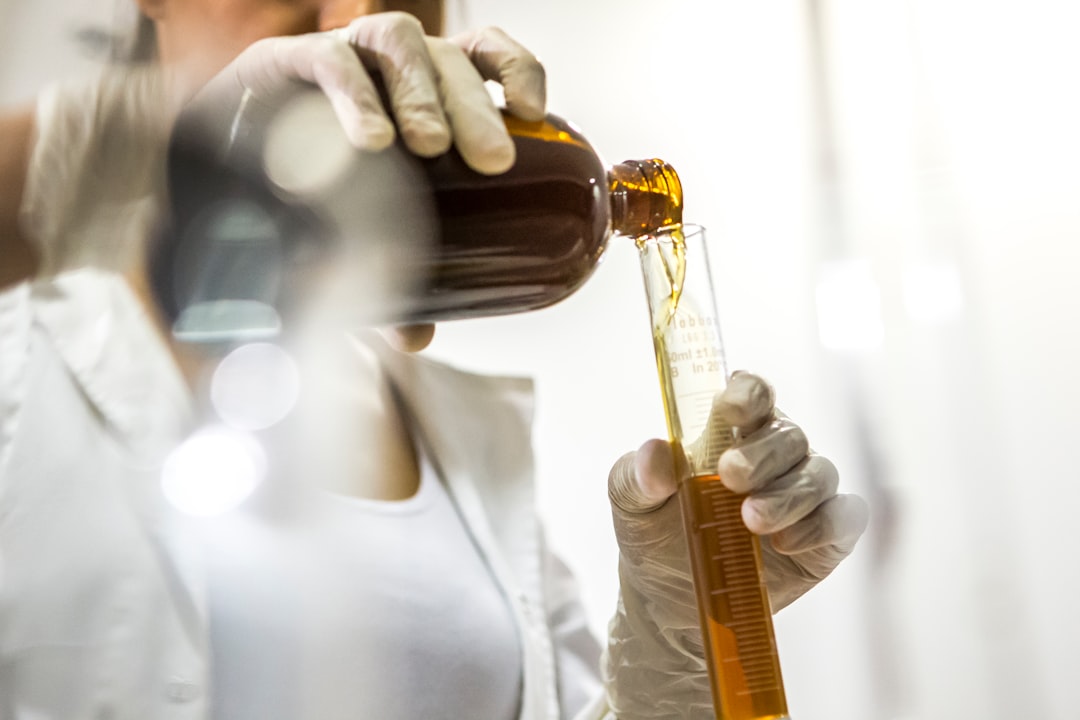
So here is the same question, answered properly. What are the individual cost lines? Which ones do you control? And why can two quotes for "the same" 50 mL tincture differ by 40% without either manufacturer being wrong?
Key Takeaways
- Per-bottle price is an output of four variables: herb cost, extraction ratio, run size, and packaging spec.
- Raw botanical material is the single most volatile line — the same herb can swing widely by grade, origin, and crop year.
- Setup costs (formulation work, label design, plates, first-run QA) are one-time but land entirely on your first batch's unit cost.
- Regulatory costs sit outside the manufacturing quote and belong in your landed cost, not your COGS surprise pile.
- Doubling a run rarely doubles cost — fixed charges spread, which is where most of the per-unit savings come from.
The Five Lines in an Herbal Tincture Manufacturing Cost Breakdown
Every herbal tincture manufacturing cost breakdown resolves to five buckets, regardless of who is quoting. Raw botanical material. Menstruum — the alcohol, glycerine, and water that carry the extract. Packaging components. Production labour and overhead. Then the one-time setup charges that only appear on the first run.
Worth understanding before you proceed: those buckets do not scale together. Herb and menstruum are strictly variable — 5,000 bottles consume ten times the material of 500. Setup costs, by contrast, are fixed. Labour and overhead sit in between. A longer run spreads the same changeover and cleaning time across more units.
The practical implication is that a quote's per-unit number is only meaningful against a stated quantity. For example, compare a 500-unit quote against a rival's 5,000-unit quote and you learn nothing about either manufacturer. Ask for tiered pricing at three quantities. The cost curve then becomes visible immediately. This guide to reading a contract manufacturing quote walks through how those tiers are typically presented.
Raw Material: The Biggest Line in a Tincture Manufacturing Cost Breakdown
Botanical raw material is where a tincture cost breakdown becomes herb-specific rather than generic. Common cultivated herbs — nettle, oat tops, calendula, peppermint — sit at the affordable end of the bulk market. Slow-growing roots and wildcrafted species under supply pressure cost far more. Certified-organic material of a scarce botanical can run several times the conventional per-kilogram rate.
Two specification choices multiply that base cost. The first is the extraction ratio: a 1:2 high-potency extract consumes roughly two and a half times the herb per litre that a 1:5 does. The second is organic certification. It carries an ingredient premium plus the certification overhead of a certifiable finished product.
This is where most brands run into trouble. A founder designs the formula around a marketing story: five botanicals, all organic, all high potency. As a result, material cost alone prices the product off its intended shelf. Cost the formula before you commit to the label copy, not after.
Crop year matters too. Botanical pricing follows harvests, weather, and export conditions. A quote priced on this year's material is not a permanent number. Annual forecasts need a review point, not a locked per-kilogram rate. Above all, that matters most for species the wider market has already flagged for supply chain shortages.
Menstruum, Bottles, and Closures
Menstruum is the quiet line. Pharmaceutical-grade ethanol is a commodity with its own pricing cycle. In Canada it also carries excise considerations. Although a manufacturer handles those, they still sit inside your price. Glycerine-based extracts swap in a different input cost and shelf-life profile. This glycerite manufacturing post covers the trade-offs.
Packaging is more controllable than most brand owners realise. It is often the fastest route to a lower unit cost. An amber glass dropper bottle with a standard black cap stays cheap because suppliers stock it in volume. A custom colour, bamboo cap, boxed presentation, or non-standard neck finish moves that component to special order. Furthermore, each one brings its own minimum quantity and lead time.
Here's what that means in practice. A packaging upgrade adds its cost to every unit forever. A formulation improvement at the same cost usually buys more defensible differentiation. Spend where the customer can tell the difference.
Labels deserve their own note. Canadian NHP labelling is a regulatory deliverable, not a design flourish. Bilingual copy, NPN placement, and mandatory panels all eat physical label space. Consequently, they can force a larger label or a different bottle. Getting NHP label requirements settled early prevents an expensive reprint.
Setup Costs and Why Your First Run Looks Expensive
The setup bucket is the most common source of sticker shock in an herbal tincture manufacturing cost breakdown, because it is entirely front-loaded. Formulation development, pilot batches, label artwork and print plates, component sourcing, and first-run documentation are all one-time costs. Nevertheless, they all land on batch one.
Divide a fixed setup charge across 500 bottles and it can rival the manufacturing cost itself. Meanwhile, divide the same charge across 5,000 and it becomes a rounding error. Nothing about the manufacturing changed; only the denominator did.
The short version: judge your first run on whether it proves the product, not on whether it hits your target margin. Expect the first batch to deliver your worst unit economics, and plan cash accordingly. This post on scaling from pilot batch to full production covers how that curve typically flattens.
There is a counterweight, though. A large first run chases a better unit price but ties up capital in untested inventory. In addition, tinctures have finite shelf lives. Order the smallest quantity that gets you honest sell-through data — not the one with the prettiest per-unit number.
Herbal Tincture Cost Lines That Sit Outside the Manufacturing Quote
A manufacturing quote covers manufacturing. Several real costs of bringing a tincture to market sit outside it. Therefore, brands that forget them land well above their planned COGS.
Regulatory comes first. A Natural Product Number application runs on its own timeline. Health Canada also operates a cost-recovery fee regime covering site licence, product licence, and annual right-to-sell charges. Those are your costs as the licence holder, not line items on a manufacturer's invoice.
Then: freight from the facility to your warehouse, storage, insurance, any third-party fulfilment fees, and payment processing if you sell direct. Similarly, retail introduces listing fees and margin expectations that can consume half the shelf price. Channel choice materially changes the margin you need from manufacturing. Settle sales channel strategy before you lock the formula.
Put together, a realistic herbal tincture manufacturing cost breakdown gives you a defensible floor. Everything above it is a decision you control: which herbs, what ratio, how many bottles, which package, which channel. To cost a specific formula, start with the tincture calculator. Then send a quote request against a real specification — it always beats a general model. Full format and capability details are on the manufacturing services page.
Published: August 26, 2026