
Herbal product distribution in Canada rarely fails because of the formula. Instead, it stalls at the buyer's desk, when a distributor or store asks for a document, a barcode or a price the brand doesn't have yet. Retail buyers see dozens of new products every month, so they pass on anything that creates extra work. Here's what they actually ask for, how the two main routes to the shelf compare, and how the margin chain shapes your pricing.

Key Takeaways
- Most brands reach Canadian health food stores either through a distributor or by selling direct to independent stores.
- Buyers expect a valid NPN, a compliant bilingual label, GS1 barcodes, a sell sheet and a clear case pack.
- Many retailers also ask for product liability insurance and proof you can keep the shelf stocked.
- Each layer in the chain takes a margin, so your wholesale price has to work backwards from the shelf price.
- Promotions, free fills and chargebacks are part of the cost of retail and belong in your budget from day one.
How Herbal Product Distribution in Canada Works
In Canada, a herbal product usually reaches a store shelf in one of two ways. First, a brand can sell to a distributor, which then sells to hundreds of stores. Alternatively, the brand can sell straight to independent health food stores, pharmacies and practitioner clinics.
Many brands also mix the two. For example, a brand might sell direct to stores in its home province while a distributor covers the rest of the country. Large chains add a third layer, because they often buy through their own warehouse or a preferred distributor.
If you haven't settled on retail yet, start with the bigger question. Our post on herbal brand sales channel strategy in Canada compares retail, direct-to-consumer and Amazon. This post picks up once retail is the plan.
Distributor or Direct-to-Store?
A distributor gives you reach. It already has relationships with stores, a sales team, a catalogue and a warehouse. As a result, one listing can put your product in front of buyers across several provinces.
That reach costs margin and control, however. Distributors take their own cut, and they usually carry many competing brands. So your product only moves if you support it with promotions, training and demand of your own.
Selling direct-to-store keeps more margin per unit. You also hear directly from the buyers and staff who recommend your product. On the other hand, you handle every order, invoice, shipment and follow-up yourself. Small orders from many stores also push your shipping cost per unit up.
The short version: direct-to-store suits a brand testing its first 20 to 50 accounts. A distributor suits a brand with proven sell-through that is ready to scale.
What Health Food Stores and Distributors Ask For
Buyers work from a checklist, even when they don't call it one. Before they list a new herbal product, most will ask for the following:
This is where most brands run into trouble. A missing barcode or an unlicensed product ends the conversation, regardless of how good the formula is. For the licence side, see our guide to what an NPN number is and how buyers verify it.
Labels, Barcodes and Case Packs
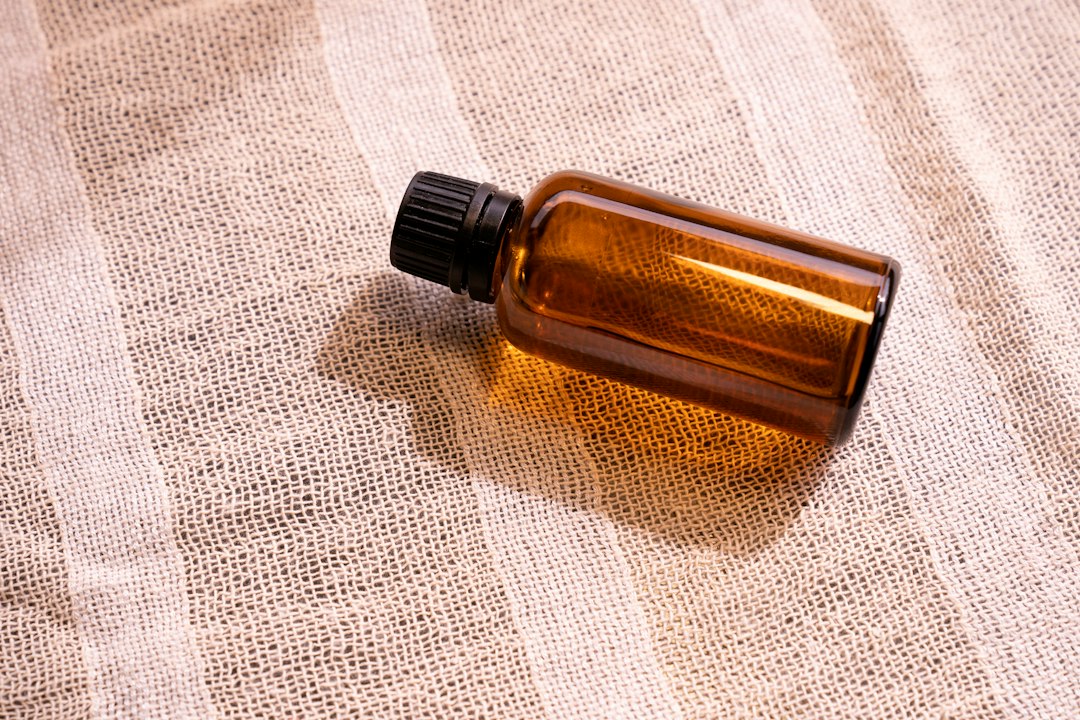
Your label is a retail document as well as a regulatory one. Buyers check the bilingual text, the NPN and the cautions. They also look at shelf appeal, because a hard-to-read bottle simply doesn't sell. Our posts on NHP label requirements and bilingual labelling cover the rules in detail.
Barcodes come from GS1 Canada, which licenses company prefixes and issues GTINs. Avoid cheap resold barcodes, because many retail systems reject numbers that don't trace back to your company. Also assign a separate number to each size and each case configuration.
Case packs matter more than most new brands expect. A case of 6 or 12 units is typical for tinctures, and stores prefer small cases they can sell through quickly. Therefore, decide your case pack before you order shipping cartons, and print the case barcode and lot code on the outer box.
The Margin Chain in Herbal Product Distribution in Canada
Every layer between your bottle and the shopper takes a margin. Retailers in the natural health channel commonly aim for a margin of 40 to 50 percent on the shelf price. Distributors then add their own margin, often in the range of 25 to 35 percent. Exact numbers vary by account, so treat these as planning ranges.
Here's what that means in practice. Take a tincture with a suggested retail price of $29.99:
Now look at what that leaves out. Distributors and chains often ask for launch promotions, free fill units for new stores, demo days and co-op advertising. Some also charge back for damaged or expired stock. So build these costs into your pricing model before you quote a single account.
For the cost side of the equation, our private label herbal product pricing guide breaks down what drives unit cost.
Pitching a Distributor or Store Buyer

Buyers want proof that your product will sell, not just that it exists. Consequently, sales data from your own website, a practitioner channel or a few independent stores makes a strong opening. Even a short track record shows the buyer that shoppers come back for it.
Keep the first contact short. Send the sell sheet, a price list with wholesale and suggested retail prices, and a sample if they ask for one. Then follow up once, politely, with a specific reason the product fits their shoppers.
Also be ready to explain how you'll drive demand. Distributors list products, but brands still create pull. Staff training, in-store demos, social media and practitioner education all help a new listing survive its first review.
Planning Supply for Retail Distribution
Retail rewards consistency. Once a store lists your product, an empty shelf slot costs you sales and goodwill. Some distributors will also delist a product that is repeatedly out of stock.
So plan inventory around reorder points, not just your first order. Ask your manufacturer about realistic lead times, minimum batch sizes and how much shelf life a retailer will expect on arrival. Our private label herbal product launch checklist lists these questions alongside the regulatory steps.
In addition, keep lot codes and expiry dates easy to read on both the unit and the case. Distributors rotate stock by date, and clear coding makes any recall or return far simpler.
Getting Ready for Herbal Product Distribution in Canada
Successful herbal product distribution in Canada comes down to preparation. Get the licence, label, barcodes, case pack and pricing right before the first buyer meeting. Then choose the route that fits your stage, whether that's direct-to-store, a distributor or both.
If you're developing a herbal line for retail and want to talk through formats, batch sizes and production timelines, explore our contract manufacturing services or get in touch to start the conversation.
Published: October 19, 2026